
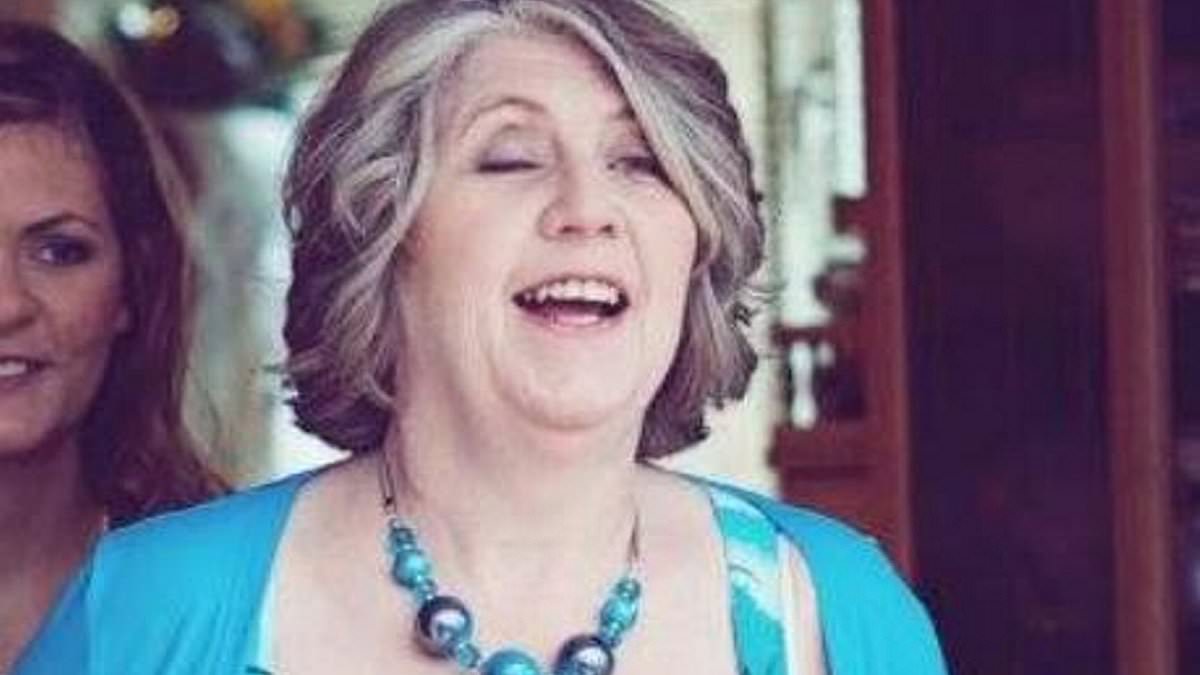
A top drug expert has warned of a life-threatening complication of weight-loss injections that is little-known among doctors.A hole in the bowel can be extremely deadly, causing bacteria from the intestine to leak into the abdomen, triggering fatal sepsis. The condition, which is not officially listed as a side effect of the blockbuster jabs, was revealed this week to be behind the death of 73-year-old grandmother Caroline Savage, who suffered the fatal problem after increasing her dose of Mounjaro.The inquest into Ms Savage's death heard that the slimming injections could increase pressure in the intestines in vulnerable people, increasing the risk of a tear – known medically as perforation. When the hole allows stool to enter the stomach, the condition becomes deadlier, known as faecal peritonitis, which kills roughly half of patients within hours. Experts have now told the Daily Mail that the condition is yet another potential complication of the jabs – taken by 1.6million adults – that patients should be warned of. 'Weight-loss injections can cause the gut to work slowly, causing a back-up of waste products that exert pressure on the sensitive bowel lining, increasing the risk of a tear,' explains Penny Ward, a pharmaceutical expert from King's College London.'But this side effect is not common, so it's perhaps lesser known than other complications.' Caroline Savage developed sudden pain and died after increasing the dose of her Mounjaro weight-loss jab, an inquest has heardShe added that those with conditions that make the bowel lining weak – such as the common inflammatory illness diverticular disease – are at higher risk.'Nausea and vomiting are quite common after taking these drugs, but severe, sudden onset of severe abdominal pain is an indication of something more worrisome going on and should be investigated,' she added.Ms Savage fell ill in October 2024 after being advised to up her dose of Mounjaro – hailed the 'King Kong' of weight-loss jabs – from 7.5mg to 10mg.She had been using the drugs from July to lose weight and succeeded, dropping from 128kg (20st 1lb) to 114kg (17st 10lb) by October.But the grandmother was rushed to the nearby Norfolk and Norwich Hospital after complaining of acute and constant abdominal pain. She was eventually discharged after medics ruled out pancreatitis – the swelling of the pancreas – which had been initially feared.But within hours of her departure, Ms Savage's husband found her unresponsive on the floor.The inquest into Ms Savage's death heard that detailed scans may have been useful earlier on in her treatment. Ms Savage pictured with her husband Jeremy. She had been privately prescribed the popular drug for around four months before being advised to raise the amount she was taking'The condition may have been spotted if an x-ray or CT scan had been performed,' said Ms Ward.'There is an argument that CT scans should always be available in the NHS, and it is a regrettable fact that they're not.'Ms Savage is not the only patient to fall victim to the jabs, which work by suppressing appetite.In October 2024, a Scottish nurse was found to have died after having just two weight-loss injections.Susan McGowan, 58, started taking the appetite-suppressing drug tirzepatide, also known by the brand name Mounjaro, in August 2024. However, by September 4 she had suffered multiple organ failure, septic shock and pancreatitis.Her death certificate listed 'the use of prescribed tirzepatide' as a contributing factor, according to the BBC.The heartbreaking story – along with the rising number of other deaths – has ignited discussion about the safety of this new class of drugs. Susan McGowan, 58, started taking Mounjaro in August - by early September she had died from multiple organ failure, septic shock and pancreatitis Ms McGowan had worked as a nurse at University Hospital Monklands in Airdrie for more than 30 yearsIn just a few years, these drugs, known as Glucagon-like peptide-1 (GLP-1) injections, have gone from niche diabetes treatments to the most in-demand weight-loss treatments in the world.Both Wegovy and Mounjaro have now been approved for treating obesity on the NHS, and the Government has announced ambitious plans to offer them to thousands of people who are unable to work with obesity-related disabilities in an effort to get them back into employment.But are the millions who use them aware of the dangerous – and in some cases deadly – side-effects?Experts agree that GLP-1 injections are, for the vast majority, safe and effective, but they acknowledge that severe side effects can – and will – happen.The good news is there are steps that people considering taking these injections can take to limit the risk.Read on to learn everything you need to know about how to safely begin taking a weight-loss injection.Smokers and drinkers bewareCertain groups of people are more at risk of life-threatening side effects, experts warn.The injections mimic the effects of GLP-1 – known as the 'hunger hormone' – which is released by the stomach in response to eating and tells the brain when it is full.While they have been used to treat obesity for less than five years, GLP-1 drugs have been given to diabetes patients for nearly two decades to help control blood sugar levels.'This means we have long-term safety data on the jabs,' says Dr David Strain, a diabetes expert at the University of Exeter. 'We have a good understanding of what the side effects are and how often they occur.'Some of the most common symptoms include nausea, vomiting and diarrhoea, which affect around a fifth of people who begin taking the injections. However, for most, these issues fade after several weeks.Around one in 100 people experience a condition called gastroparesis (or stomach paralysis) where the stomach muscles seize up. This can be painful and also makes digestion difficult, sometimes leading to constipation.Gallstones – tiny balls of cholesterol that form in the gallbladder – are an additional risk for anyone losing weight rapidly.However, the side effect that doctors are most concerned about is pancreatitis.This causes inflammation of the pancreas, an organ in the abdomen which produces digestive hormones. In some cases pancreatitis can be life-threatening, as it can trigger organ failure.In trials, around 23 out of every 1,000 patients on Mounjaro developed pancreatitis. So too did Ms McGowan.While it is impossible to predict exactly which patients will develop pancreatitis, experts say there are a number of factors which mean some patients are more at risk.'People who are obese or have diabetes are more prone to pancreatitis,' says Professor Ward. 'This is somewhat counterintuitive, given these are the conditions Mounjaro and other GLP-1 drugs are designed to treat.'However, pancreatitis can also run in the family, so it's good to find out whether any of your close relatives have suffered with it before starting a GLP-1 drug.'Heart disease is another factor which raises the risk of pancreatitis, as does excessive alcohol drinking and smoking.'People with an addiction to alcohol or smoking appear to be more likely to get pancreatitis, for reasons we still do not fully understand' says Professor Ward.Think carefully before buying onlineBuying GLP-1 drugs from online pharmacies could increase the risk of life-threatening complications.The NHS will prescribe Mounjaro only to those with a BMI score of more than 40 and at least three weight-related health problems, including diabetes, sleep apnoea and heart disease.For this reason, a growing number of Britons are buying GLP-1 prescriptions via online pharmacies.While the full details are unclear, reports suggest that Ms McGowan purchased Mounjaro via one of these firms.These pharmacies are meant to prescribe the drugs only to people with a weight problem. However, experts say this does not always happen.'There has been a big rise in online companies offering these drugs through the post in the past few years,' says Dr Charlotte Norton, chief medical officer at The Slimming Clinic. 'The problem is that some allow patients to self-declare their own health through an online form. This relies on patients being honest about their medical history.'The risk is that patients who want to start this medication might report they are heavier in order to qualify, or they miss out crucial medical history such as previous pancreatitis or excessive alcohol use, for fear of being ruled unsuitable for the treatment.'Experts say another reason to avoid online pharmacies is that patients need to be carefully monitored when they begin taking these drugs, and starting on a small dose which is gradually increased over several months.'If one of these early doses triggers serious side effects, then a doctor may advise that the patient does not increase the dose again or, in extreme situations, tell them to stop completely,' says Dr Strain. 'But some online pharmacies do not do these check-ins, which can put patients at greater risk of severe side effects.'Experts also point out that, in some cases, online firms allow patients to buy large doses of GLP-1 drugs from the get-go, rather than limiting them to the smaller starting dose. This can also increase the risk of complications.'These are strong drugs which need the supervision of a doctor.' says Dr Strain. 'I don't think buying them over the internet is a good idea.' Mounjaro is a powerful weight-loss drug that can have serious side-effects so has to be closely monitored when prescribed - with patients starting on small doses and gradually building upDecide which jab is right for youPeople looking to lose weight have essentially two options: Wegovy or Mounjaro.Arguably the most well-known of these GLP-1 drugs, Ozempic, is, in fact, designed to treat diabetes. However, it does contain the same active ingredient as Wegovy – which is called semaglutide.Experts say the impact of semaglutide on the body is better understood than Mounjaro, which only launched in the UK in 2024.'Semaglutide has been on the market longer Mounjaro, which means we know more about the potential side effects,' says Dr Norton.The drug can help obese patients lose up to 15 per cent of their body weight.Earlier this year, Wegovy was also licensed as a heart disease medicine, due to conclusive evidence that it cuts the risk of the life-threatening problem.Mounjaro is even more potent, and can help patients shed more than 20 per cent of their body weight. It is such an effective treatment that experts have taken to calling it the 'King Kong' of weight-loss injections.It is also less likely to trigger uncomfortable side effects.'It appears that patients on Mounjaro are less likely to experience nausea, vomiting or diarrhoea,' says Dr Norton.However, Mounjaro is more likely to trigger pancreatitis. Studies show that just one in 1,000 Wegovy patients develop the dangerous condition, compared to 23 out of 1,000 on Mounjaro.Experts say this difference is likely due to the fact that Mounjaro doesn't just mimic the hunger hormone GLP-1 – it also activates a receptor in the body called the glucose-dependent insulinotropic polypeptide, which helps bring blood sugar down.'Mounjaro activates twice as many receptors as Wegovy, which means it essentially packs twice as heavy a punch on the body,' says Dr Strain. 'However, the risk of pancreatitis is still very low.'Be alert for these worrying symptomsThere are a number of symptoms that doctors tell new GLP-1 patients to look out for.'The key one is severe abdominal pain under the ribs,' says Dr Norton. 'This is where the pancreas is and might be an early sign of pancreatitis.'Severe vomiting, to the point where the patient can't keep fluids down, as well as fever are also red flags.Experts say that if someone experiences these symptoms while on a GLP-1 drug then they should immediately go to A&E.'I would also advise patients take the packaging the injections come in with them to hospital,' says Dr Norton, 'so doctors there know exactly what medicine and dose they've been taking.'Weight-loss jabs are no excuse for a bad dietAnyone on weight-loss injections needs to carefully monitor their diet or risk severe malnutrition, experts say.'People taking Wegovy or Mounjaro eat much less than before starting treatment,' says Dr Norton. 'This is how the drugs help patients lose weight. However, this means it is crucial that each meal is nutrient-dense.'Experts say it is easy to become malnourished on these injections, as people miss out on crucial vitamins and nutrients. This might include a lack of iron, vitamin B12 or vitamin D.'One of the main things I advise patients is not to eat meals that are heavy in refined carbohydrates,' says Dr Norton. 'This is because these types of carbohydrates – like a bowl of pasta – take up more space in the stomach, making you feel uncomfortable and leaving less room for other important ingredients such as vegetables and pulses.'
Doctors reveal the risks of upping your weight-loss jab dose as grandmother dies from little-known complication: Here's what you need to know about the dangers - and how you can avoid the most deadly risks
Full Article
Original Source
Read the full article at Dailymail →KhanList aggregates and links to publicly available news content. We do not host full articles from third-party sources. Always verify important information with original sources.