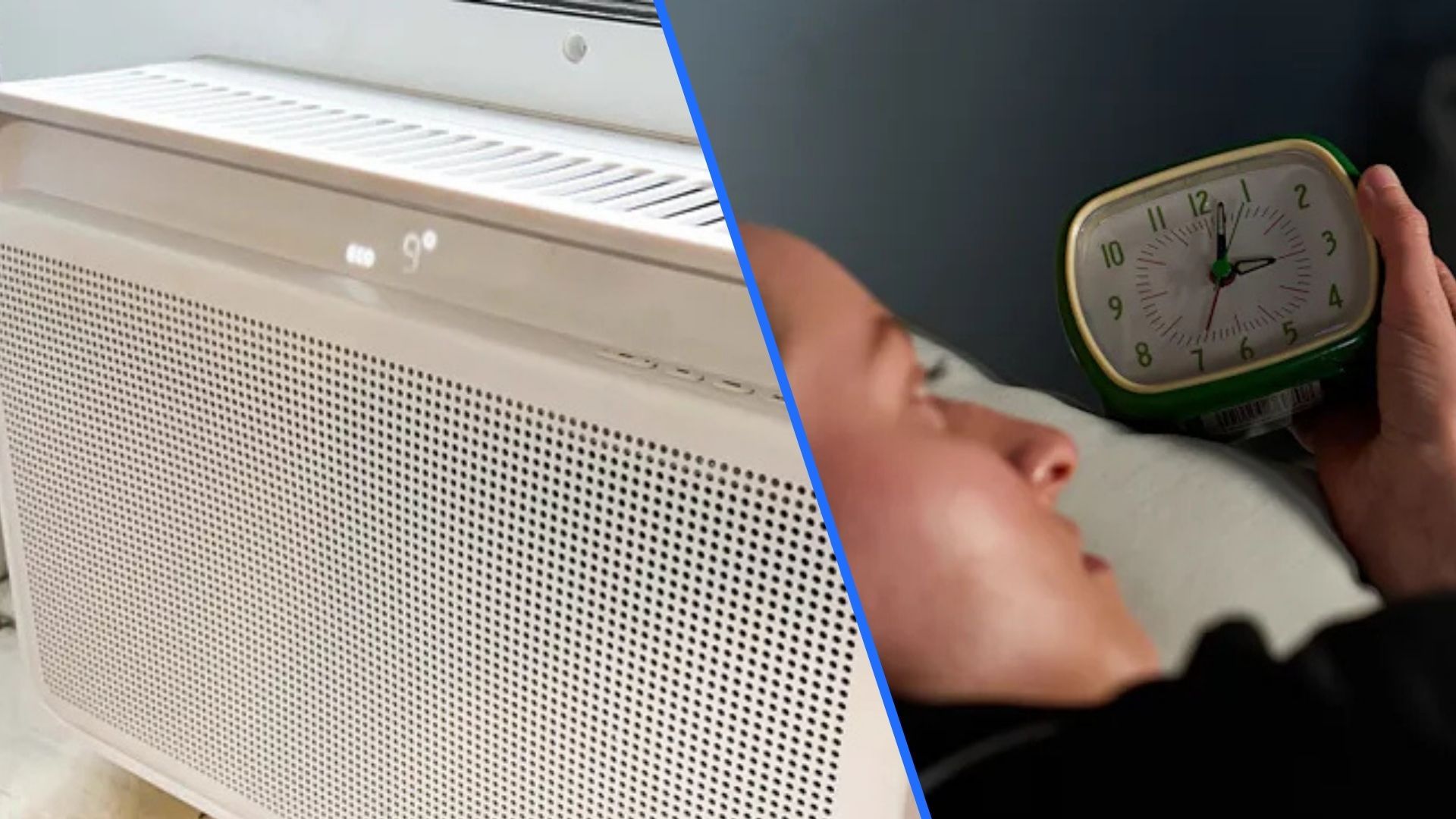
Air conditioning is a sleep saviour when heatwaves have transformed your bedroom into an oven, but it could be the reason why you keep waking up at 3 a.m. This year, research has found that air conditioners can reduce indoor air quality, and now a doctor is warning that the reliance on AC can negatively impact sleep."Sleep is critical for recovery and repair, so anything that impairs respiratory comfort can interfere with the body's ability to fully recover overnight," says Dr Dale Christensen, Chief Science Officer for Climatic Health and Adjunct Associate Professor of Medicine at Duke University Medical Center.But how exactly does air conditioning impair respiratory comfort? I asked Dr. Christensen to explain how AC can impact air quality and disturb your sleep. Plus, how to fix this issue in three simple steps.Key takeaways: At a glanceThe best smart air conditioners with well-maintained filters have no negative effect on indoor air quality, but AC with neglected filters release harmful air pollutants.Airborne pollutants from unkept AC filters can block airwaves, leading to sleep issues such as frequent nighttime awakenings.The CDC says AC filters should be replaced every three months to lower harmful germs and viruses in the air and to reduce your chances of respiratory illness.The three simple fixes: Check and replace your AC filter every three months, increase ventilation in your bedroom, and avoid using room fragrances and products with high VOCs.How air conditioners impact sleepAccording to the United States Census Bureau, 90% of American households use air conditioning to keep them cool in the summer.Dr. Christensen points out that air conditioning systems aren't inherently bad for indoor air quality, as long as their filters are properly maintained."Air conditioning systems that collect and pass warm air through regularly maintained conditioner filters have minimal effects on air quality since the filters have to allow high airflow in order for the system to cool the air," he explains. (Image credit: Getty Images)However, as the 2026 DuraPlas Summer Cooling Report, 50% of homeowners admit they have skipped air conditioner maintenance to save money. This neglect not only affects the AC system's cooling performance, it also may lead to indoor air pollution.Get instant access to breaking news, the hottest reviews, great deals and helpful tips."Poorly maintained HVAC systems build up dust, moisture and even mold in filters, ducts and cooling systems," warns Dr Christensen.Emerging research suggests that poor air quality may contribute to shorter sleep durationDr Dale Christensen, Chief Science Officer for Climatic Health"This can actually add particulate matter and mold spores to the air and present an even greater risk for lung health than external air may present."In fact, research has shown that clogged air conditioning filters can cause unfiltered dust and allergens to be recirculated right back into living spaces. According to Dr Christensen, these airborne pollutants can irritate the airways.This irritation causes "congestion, coughing, and difficulty breathing", leading to those pesky 3 a.m. wakeups."Emerging research suggests that poor air quality may contribute to shorter sleep duration, more nighttime awakenings, and lower overall sleep quality," says Dr Christensen. "Even mild airway irritation can disrupt normal sleep patterns."What other indoor air pollutants affect sleep? However, it's not just a neglected AC system that can ruin your sleep; there are many household objects that significantly pollute indoor air and affect sleep quality."We usually talk about pollution in terms of traffic, factories, or wildfires, but the actual exposure people get is often a mix of small, repeated sources that add up over time, " says Ashlesa Mohapatra, a sustainability researcher and Senior Quality Engineer at ServerLIFT LLC (Image credit: Shutterstock)"At home or indoors, the biggest contributors are often the everyday things people don’t think twice about: gas stoves, candles, incense, air fresheners, and off gassing from certain materials," she adds.Exposure to pollutants has been associated with increased systemic inflammation... which can affect the body's natural sleep-wake regulationDr. ChristensenDr. Christensen agrees and says that indoor air can actually contain higher concentrations of pollutants than outdoor environments, particularly in "tightly-sealed buildings"."Lesser known contributors include cleaning products that release volatile organic compounds (VOCs) and wood-burning fireplaces and fire pits," he says.The health expert warns that these pollutants can interfere with our body's circadian rhythm, which regulates our sleep schedule."Exposure to pollutants has been associated with increased systemic inflammation and oxidative stress, which can affect the body's natural sleep-wake regulation," the doctor warns.3 simple ways to reduce indoor air pollution for better sleep1. Check your AC filters regularly (Image credit: Future)As mentioned above, an air conditioning system only functions properly when air filters are properly maintained.According to the U.S. Centers for Disease Control and Prevention, AC filters should be replaced every three months to lower harmful germs or viruses in the air and reduce your chances of respiratory illness.However, there are filters you can use to keep your home's air cleaner besides well-kept HVAC (Heating, Ventilation, and Air Conditioning) filters."Portable air purifiers with HEPA filters, along with regularly maintained HVAC filters, can also help capture airborne particles such as dust, pollen, and other pollutants, but make sure you have your windows closed when running them," advises Dr. Christensen.2. Ventilate your home (Image credit: Shutterstock)There are plenty of sleep hacks that involve increasing your bedroom's ventilation, from bedroom burping to German sleep tradition lüften. As it turns out, these refreshing sleep hacks can also improve your house's air quality."For those who are looking to reduce their exposure to indoor pollutants a good place to start is by improving ventilation," advises Dr. Christensen."That means running kitchen and bathroom exhaust fans and opening windows when outdoor air quality is favorable can help remove pollutants before they build up indoors."3. Reduce VOCsIf you're worried about indoor air pollution, Dr. Christensen says the good news is that indoor air quality is generally more manageable than outdoor air quality.The health expert says that the best ways you can manage indoor air quality is by choosing products (such as paints, cleaning products, and furnishings, with low VOCs)"Limiting the use of heavily fragranced products and aerosol sprays can also help lower indoor chemical exposures," he suggests.
Doctor explains why your AC is waking you up at 3 a.m. — and 3 simple ways to fix it
Full Article
📰 Original Source
Read full article at Tomsguide →KhanList aggregates and links to publicly available news content. We do not host full articles from third-party sources. Always verify important information with original sources.