
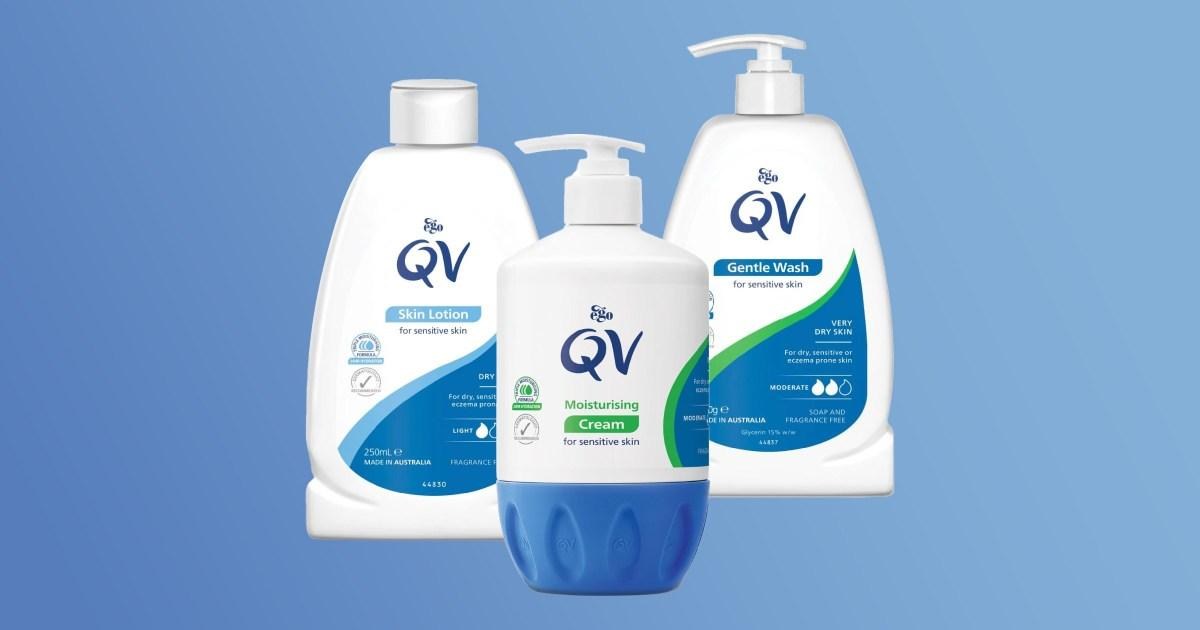
How to manage eczema during seasonal weather changes, according to experts. (Picture: Metro/Boots/Getty) Metro journalists select and curate the products that feature on our site. If you make a purchase via links on this page we will earn commission – learn more Anyone who struggles with eczema will know how unpredictable it can feel. From one week to the next, skin can be sore and inflamed, with flare-ups occurring sometimes out of nowhere. Heatwaves, seasonal weather changes, sweating, changing soaps and washing detergents can all be triggers and can lead to itchy, red and sore skin. The good news it that managing unexpected flare-ups is possible, and there’s no better time than National Eczema Week, starting on 14 September, to address how to treat them. According to Eczema UK, a leading charity that provides expert advice, support and research for people living with eczema, approximately eight million people have it in the UK alone, including one in ten adults and one in five children. If that’s you, we’ve gone straight to the experts to find out exactly what could be causing flare-ups, how to manage them with changing weather, and how to build a skincare routine that works for you. We have Dr Ellie Rashid, consultant dermatologist at Guy’s and St Thomas’ NHS Foundation Trust and Dr Jonny Guckian, consultant dermatologist at Belfast Skin Clinic and dermatology consultant at Leeds Teaching Hospitals Trust, on hand to answer all our questions. QV Skin Lotion is a lightweight, fragrance-free moisturiser designed to hydrate and protect dry, sensitive and eczema-prone skin without feeling greasy. (Picture: Metro/Boots) What’s the best skincare and bodycare routine for eczema-prone skin? After cleansing, Dr Rashid recommends using a fragrance-free emollient at least twice a day, every day, and a soap substitute instead of any foaming wash. ‘Look for ingredients like glycerin, petrolatum, ceramides and lipids, colloidal oatmeal,’ Dr Rashid told Metro, adding, ‘avoid fragrance, parfum, essential oils, sodium lauryl sulfate. Natural does not mean gentle. Botanical oils and plant extracts can also cause an allergic contact reaction.’ ‘Consistency is so important, so I recommend using a moisturiser you like the feel and texture of,’ she says. Her top recommendation is QV Skin Lotion, a lightweight texture suitable for daytime reapplication, while using something heavier like QV Cream in the evening or on hands, elbows, and shins. QV Gentle Wash is a soap-free, fragrance-free cleanser that gently removes impurities without stripping moisture from sensitive or eczema-prone skin. (Picture: Metro/Boots) Is there anything you should do or avoid in the shower or bath if you have eczema? Ask Metro Use AI to go deeper into the stories you care about – powered by Metro and trusted publications. Dr Rashid recommends washing skin with lukewarm, not hot, water, as too much heat can strip your skin’s natural lipids and exacerbate inflammation and itchiness. ‘Swap soaps and shower gels for a soap substitute such as QV Gentle Wash,’ she says, ‘because detergents like sodium lauryl sulfate exist to remove oil, and that is the last thing eczema-prone skin needs.’ After you’re finished in the shower, apply your emollient while the skin is still damp. Her top tip is to use far more emollient than you think you need. ‘An adult with widespread eczema needs 250 to 500g a week, which is a large tub, not a small tube that lasts a month,’ says Dr Rashid, who recommends applying it downwards in the direction of hair growth rather than rubbing it in aggressively, and reapplying whenever skin feels tight, rather than waiting until it looks inflamed. QV Moisturising Cream is a rich, fragrance-free moisturiser that helps lock in hydration and soothe dry, sensitive and eczema-prone skin. (Picture: Metro/Boots) How to treat an eczema flare-up Sometimes specific triggers can cause inflammation; other times it can feel random. Either way, it can be uncomfortable, painful and sore, which can make getting dressed difficult, sleeping harder and even knock your confidence. Dr Guckian advises treating any inflammation early, rather than waiting until your eczema becomes severe: ‘If you already have a topical steroid or another eczema treatment prescribed for flares, use it as directed. If the skin is rapidly worsening, painful, weeping or crusted, or there are clusters of painful blisters, fever, or you feel unwell, seek prompt medical advice, as these can be signs of infection.’ For at-home treatment, he suggests avoiding very cold water or icing the skin directly, and steering clear of fragranced products, which can sometimes cause further irritation. Instead, he says pat skin dry after a lukewarm shower, and apply a generous layer of a familiar, unperfumed emollient such as QV Moisturising Cream. Follow Metro across our social channels, on Facebook, Twitter and Instagram Share your views in the comments below Arrow MORE: The best skincare products for men – 10 essentials for a simple daily routine Arrow MORE: I didn’t think Huda Beauty’s new coloured powder was for me – but now I’m questionning why it took so long Arrow MORE: Should you keep your skincare in the fridge? Experts warn it could damage your products Puzzles Newsletter Get your favourite puzzles when they are ready to play on the website sent directly to you every day and track your daily streak!
Do you struggle with eczema? Dermatologists reveal the best ways to stop a flare-up
Full Article
Original Source
Read the full article at Metro →KhanList aggregates and links to publicly available news content. We do not host full articles from third-party sources. Always verify important information with original sources.