
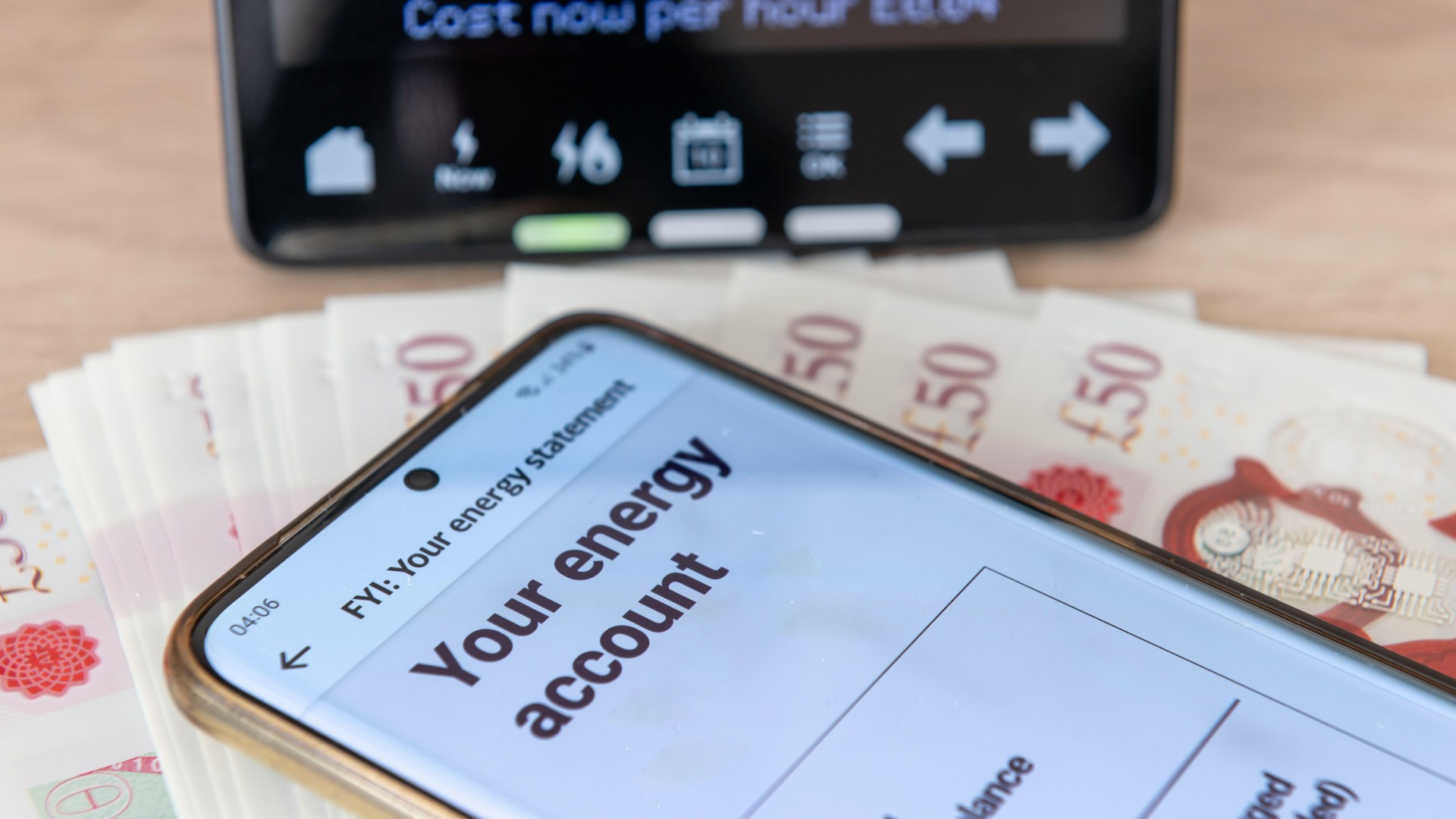
HOUSEHOLDS could be more than £400 worse off this winter if they fail to make simple energy-saving changes around the home, experts have warned. Ofgem‘s energy price cap will rise by £60 a year from October 1, taking the typical annual bill for a dual-fuel household paying by direct debit from £1,663 to £1,723. Energy bills are set to rise but there are steps you can take now to keep your costs down Credit: Alamy Here are seven things you can do now to save yourself up to £400 this winter Credit: GETTY But figures from Energy Saving Trust show six relatively simple measures could cut bills by around £344 a year in total. Households that fail to take action could see themselves £400 worse off as their extra energy costs are added to the rising price cap. Sign up for the Money newsletter Thank you! However, the savings will vary depending on your property, heating system and what measures you already have in place. Larger properties could save more by making energy efficiency changes, for example. Phil Spencer, property expert and founder of property advice website Move iQ, said autumn is the ideal time to get homes ready before temperatures drop. He said: “A little effort now” could help avoid higher bills and more expensive problems later. Here are seven things you can do now to save yourself up to £400 this winter. 1. Draught-proof windows, doors and floors – save £55 a year Without proper insulation windows and doors can leak valuable heat from your home Credit: Getty Cold air getting into your home means your heating has to work harder to keep rooms warm. Most read in Money Energy Saving Trust estimates that draught-proofing around windows, doors and floors could save a household around £55 a year in Great Britain. Cheap fixes can include self-adhesive strips around window frames, draught excluders beneath doors and suitable sealant around gaps. You can buy a roll of draught excluder from Dunelm for just £4. George Edwards, managing director of property care specialist Timberwise, said: “Cold air coming through gaps around windows and doors means your heating has to work harder. “Check for draughts, deteriorating seals and gaps around frames, then repair or replace suitable seals.” However, don’t block ventilation openings such as air bricks, as poor ventilation can contribute to damp and mould. 2. Fit radiator reflector panels – save £18 a year Reflector panels sit behind the radiator and bounce more heat back inside Credit: Getty Radiators fixed to external walls can lose some heat through the wall rather than into the room. Reflector panels sit behind the radiator and bounce more heat back inside, keeping the house warmer. Energy Saving Trust says installing proper radiator reflector panels could save you around £18 a year in Britain. Mr Spencer also recommended checking radiators for trapped air. He said: “If it feels cold at the top but warm at the bottom, that’s probably a sign that trapped air is preventing hot water from circulating properly. “Bleeding your radiators releases that trapped air, restoring full efficiency and helping you heat each room more evenly.” 3. Turn your thermostat down by 1C – save £120 a year Turning down the central heating could save you money Credit: Getty One of the biggest potential savings comes from turning down your thermostat slightly, experts say. Energy Saving Trust says reducing your heating from 22C to 21C – just a one degree difference – could save around £120 a year for an average household. But turning it down even further could potentially save you even more money. You should only turn it down to a level that remains comfortable and safe for everyone in your household. Older people, young children and people with certain health conditions may need to keep their homes warmer. 4. Use heating controls properly – save up to £100 a year Using your heating system properly could save you £100 a year Credit: Getty Making better use of your heating controls can also slash your bills. Energy Saving Trust says that installing and properly using a programmer, room thermostat and thermostatic radiator valves could save around £100 a year. If you already have a programmer and thermostat, adding radiator valves alone could still save around £30 annually. Using controls to avoid heating empty rooms or running the heating when nobody is home can make a significant difference. 5. Insulate your hot-water cylinder – save £45 a year Hot-water cylinder jackets are relatively cheap and can help water stay hotter for longer Credit: Getty If you have a hot-water cylinder, improving its insulation can stop heat escaping. A hot water cylinder is an insulated storage tank that keeps heated water ready to use in your taps and shower. Increasing insulation around your cylinder from 25mm to an 80mm jacket could save around £45 a year, according to Energy Saving Trust. Hot-water cylinder jackets are relatively cheap and can help water stay hotter for longer. The saving only applies to homes with a hot-water cylinder, so it will not be relevant to households with some combi boiler systems. 6. Insulate exposed hot-water pipes – save £6 a year Pipe insulation can also help protect pipes from freezing during particularly cold spells Credit: Getty Insulating exposed hot-water pipes can also cut heat loss. Energy Saving Trust estimates this could save you around £6 a year. That may not sound like much, but over time it adds up. Pipe insulation can also help protect pipes from freezing during particularly cold spells making sure you don’t run in to any bigger issues when you need hot water the most. It’s usually sold in foam tubes which fit around exposed pipes. 7. Get your boiler checked before winter Spencer He recommended getting your boiler checked by an engineer Credit: Getty There is no fixed annual saving attached to a boiler service, but experts say it could help prevent a costly breakdown. Mr Spencer said: “Boilers have an annoying habit of breaking down right when you need them the most – during the cold winter months. “If you’ve not had your boiler serviced for a while, it may have developed problems that passed unnoticed during summer, when it didn’t have to work so hard.” He recommended getting your boiler checked annually by a Gas Safe registered engineer. Mr Spencer added: “Most engineers get very busy during the winter months, so get ahead of the game by booking your service in autumn.” Why are energy bills rising? The energy price cap does not limit your total Credit: Alamy Ofgem‘s energy price cap will rise from £1,663 to £1,723 a year for a typical dual-fuel household paying by direct debit from October 1. That’s an increase of £60 a year. The cap does not limit your total bill, however. Instead, it limits how much suppliers can charge per unit of gas and electricity, so households that use more energy will still pay more. That means cutting wasted energy around the home could become even more valuable as colder weather arrives. There may be further pain ahead as costs set to rocket by £427 in January, according to new forecasts. The hike would see a typical household’s annual energy bill leap by roughly 25%, according to analysis by Bloomberg Economics. Comment now
Do these seven things NOW to keep your house warm and cut your costs – or risk £400 bill shock this winter
Full Article
Original Source
Read the full article at Thesun →KhanList aggregates and links to publicly available news content. We do not host full articles from third-party sources. Always verify important information with original sources.