
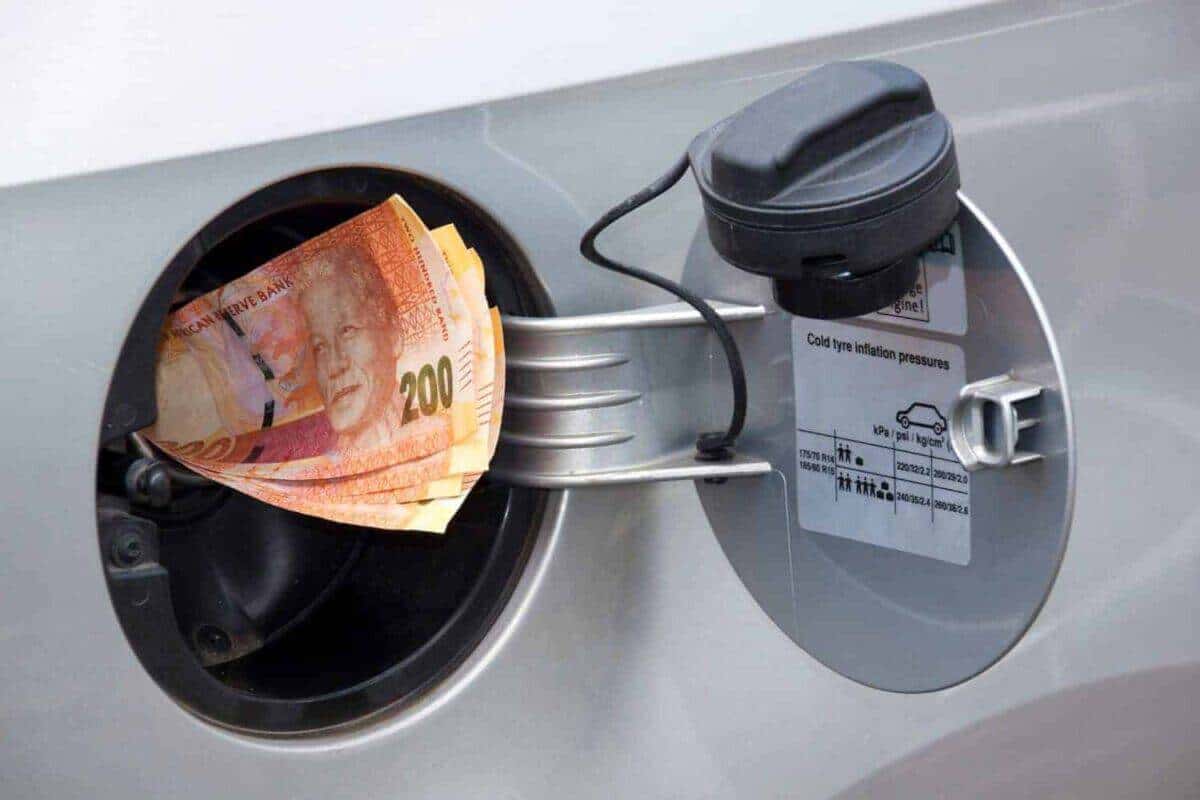
Civil rights organisations and unions call on government to intervene as Concerned Citizens organise shutdowns and pickets in Cape Town, Durban and Pretoria. Civil rights organisations and unions have called on the government to intervene and help alleviate the pressure from the ongoing fuel price increases in South Africa. Yesterday, civil society group Concerned Citizens of South Africa organised a shutdown and pickets in Cape Town, Durban and Pretoria to protest soaring fuel prices and demanded a 50% reduction. Concerned Citizens organise a shutdown over fuel prices The Congress of South African Trade Unions said it wants government to use R10 billion already earmarked for fuel price relief to ease the burden on motorists. AfriForum’s head of public relations Ernst van Zyl said the fuel price could be R6 cheaper if government was willing to cut taxes on it. “That’s why AfriForum has been calling for a long-term, ideally permanent, fuel levy cut since March. AfriForum is conducting an investigation into fuel prices and the associated levies to help build the foundation for long-term fuel price reform,” Van Zyl said. He said AfriForum will investigate the calculation of the various levies, their application, efficiency, transparency and proportionality, the utilisation and effectiveness of the funds, the economic impact on consumers, transport operators, agriculture and small businesses, and options for lasting reform to relieve pressure on consumers. The Automobile Association of South Africa (AA) has called on the government to abandon vanity transport ventures, review fuel taxes and overhaul the country’s distorted mobility funding model during Transport Month. AA CEO Bobby Ramagwede said according to Stats SA, South African households spend an average of 16% of total expenditure on mobility, far exceeding the government’s 10% policy ceiling. Households spend average 16% of total expenditure on mobility “For the poorest workers and those living outside economic hubs, the situation is disastrous. “Affordability tracking by the Pietermaritzburg Economic Justice and Dignity Group (PMBEJD) reveals that transport and electricity consume up to 64.6% of the national minimum wage. “On a minimum wage of R5 078, an average worker spends R1 520 on transport alone, leaving under R1 800 to feed a family for the month. South Africa has engineered a structural poverty trap on wheels,” Ramagwede said. He said when a security guard or retail worker must surrender nearly half their wages just to sit in a minibus taxi, the transport network is no longer connecting people to opportunity and is penalising them for having a job. “Spatial segregation continues to punish the working class. Because low-income workers live on urban peripheries far from business districts, most face an unavoidable double-fare penalty. “Commuters routinely take two minibus taxis each way. A commuter paying R18 per leg spends R72 daily, or roughly R1 580 monthly, in cash fares,” he said. Transport and electricity consume up to 64.6% of national minimum wage Ramagwede said despite carrying over 80% of public transport users, the minibus taxi industry receives no direct operational subsidies from the state. Commuters bear every rise in fuel prices directly, with no financial buffer. “Workers are not choosing between public transport and luxury goods. They are choosing between taxi fares and buying protein for their children. “Health research highlights the harsh consequences of these choices. Over 25% of South African boys under age five suffer from stunting because families cannot afford nutritious food after paying transit fares and utilities. “The PMBEJD reports that while a basic nutritional food basket for a family of four costs roughly R3 800 monthly, minimum-wage earners are left with less than half that amount after commuting costs,” he said. The AA condemned the state for pouring billions into elite infrastructure, particularly the Gautrain.
‘Do something on fuel,’ civil rights organisations and unions say
Full Article
Original Source
Read the full article at Citizen →KhanList aggregates and links to publicly available news content. We do not host full articles from third-party sources. Always verify important information with original sources.