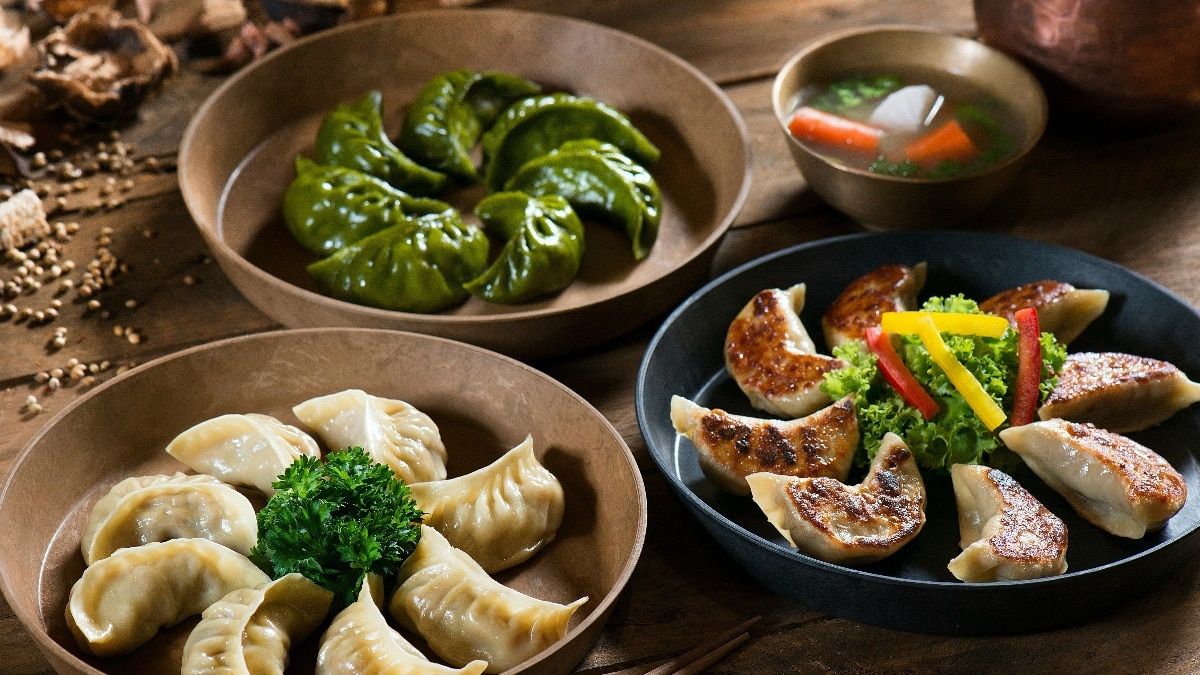
Momos and dimsum may look alike, but they are not the same. From their origins and fillings to cooking styles and how they're served, here's what makes these two dumplings different.Momos and dimsum are often confused because of their similar appearance. Here's how they differ in origin, ingredients, preparation and the way they are traditionally served.Momos and dimsum are among the most popular dumplings enjoyed across India, but despite their similar appearance, they are not the same. Many people use the terms interchangeably, yet they belong to different culinary traditions. From where they originated to how they are prepared and served, dimsum and momos have distinct identities. Here's a closer look at what sets them apart.WHERE DO THEY COME FROM?Momos trace their roots to Tibet and the Himalayan region, including Nepal and parts of North-East India. Over the years, they have become a favourite street food across India.Dimsum, on the other hand, comes from China's Cantonese cuisine. Traditionally enjoyed with tea, dimsum is a style of dining rather than a single dish.DUMPLING OR A WHOLE MEAL?One of the biggest differences is that momos are a specific type of dumpling, while dimsum is a collection of small dishes. A dimsum meal can include dumplings, buns, spring rolls, rice noodle rolls, sticky rice and desserts. Dumplings are just one part of the spread.WHAT GOES INSIDE?Momos are commonly filled with vegetables, chicken, mutton or paneer. Indian versions often feature spicy, heavily seasoned fillings. Dimsum fillings vary widely and may include prawns, pork, chicken, vegetables, mushrooms or seafood. The seasoning is usually milder, allowing the natural flavours of the ingredients to stand out.HOW ARE THEY SERVED?Momos are most often served with a fiery red chilli chutney and sometimes mayonnaise or soup.Dimsum is traditionally paired with soy sauce, chilli oil, vinegar or other light dipping sauces, and is usually enjoyed alongside Chinese tea.WHICH ONE IS HEALTHIER?Both can be healthy if steamed and made with fresh ingredients. However, the nutritional value depends on the filling, cooking method and portion size. Fried versions of both dishes generally contain more fat than steamed ones.While momos and dimsum may look similar, they are far from identical. Momos are a single type of Himalayan dumpling, whereas dimsum is an entire Cantonese dining tradition featuring a variety of bite-sized dishes. Knowing the difference makes it easier to appreciate the unique flavours and history behind both.- EndsPublished By: vaishnavi parasharPublished On: Jul 28, 2026 13:39 IST
Dimsum vs momos: What's the difference between the two popular dumplings?
Full Article
Original Source
Read the full article at Indiatoday →KhanList aggregates and links to publicly available news content. We do not host full articles from third-party sources. Always verify important information with original sources.