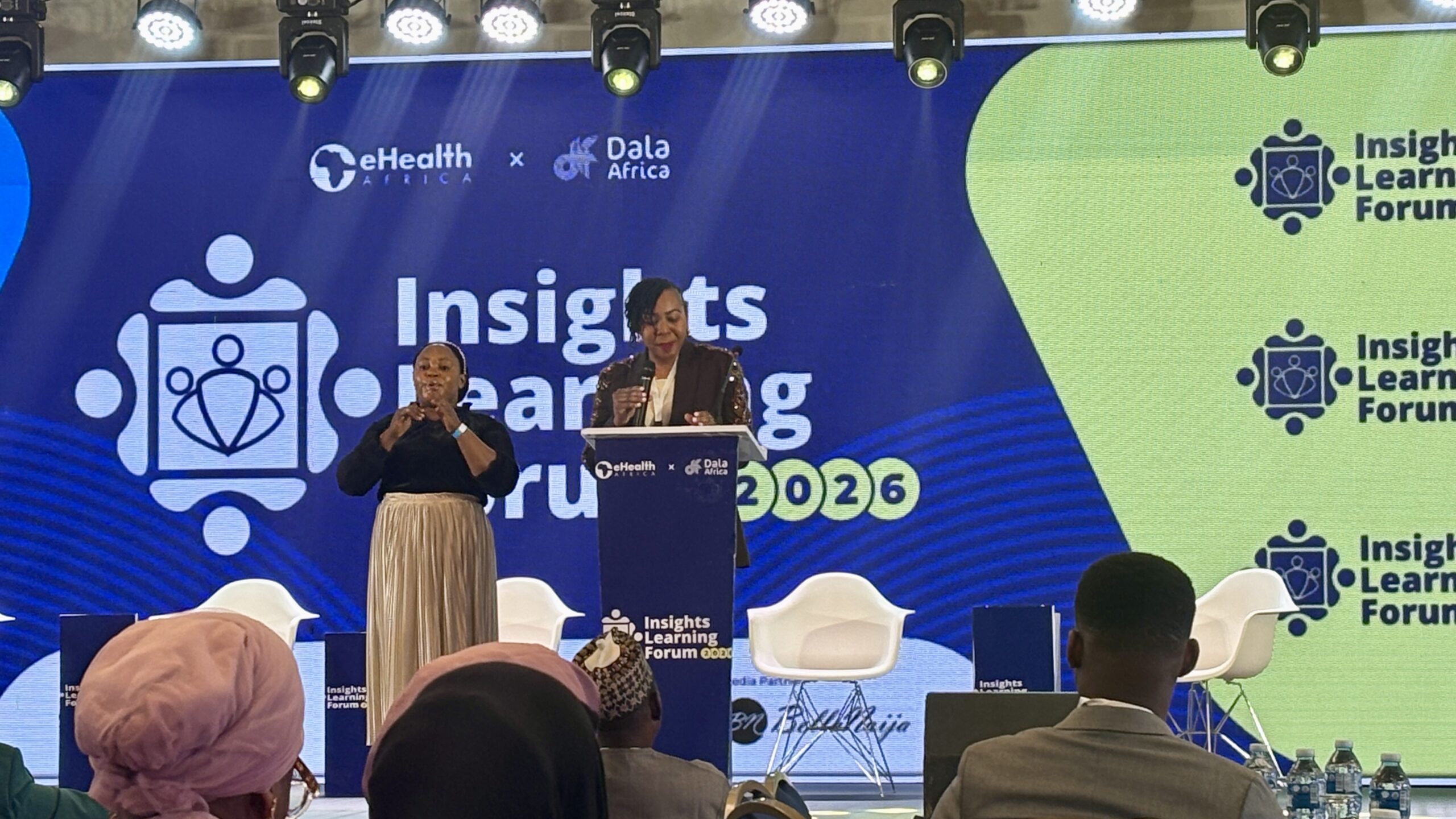
Experts in the health and technology sectors have warned that digital innovations alone cannot fix Nigeria’s healthcare system, urging governments and development partners to prioritise sustainable financing and institutional ownership. They made the call on Tuesday at the Insights Learning Forum (ILF) 2026, eHealth Africa’s flagship digital health conference held in Abuja. The two-day forum brought together policymakers, healthcare professionals, development partners, technology experts, investors, researchers and representatives of government institutions from Nigeria and other countries to discuss the future of digital health and identify practical solutions for strengthening health systems across Africa Beyond digital innovation Speaking at the opening session, Ota Akhigbe, Director of Partnerships and Programmes at eHealth Africa, said the success of digital health initiatives should no longer be measured by the number of projects launched but by their ability to remain functional long after implementation. Ms Akhigbe said stakeholders must prioritise institutional ownership, sustainable financing and accountability to ensure digital health interventions outlive donor funding. She noted that responsibility for sustaining these systems extends beyond governments to development partners, investors, technology companies, implementers and community organisations. She urged participants to focus on practical and achievable commitments rather than ambitious promises that may not be fulfilled. “Our hope is that by this time next year, we will be counting outcomes produced from this year’s forum,” she said. Ms Akhigbe added that a single meaningful commitment, whether through a new partnership, financing pathway or systems integration, would have a greater impact than multiple declarations that fail to translate into action. ‘Digital tools are not enough’ Delivering his address, the Group Chief Executive Officer of eHealth Africa, Adam Thompson, said nearly two decades of experience had taught the organisation that technology alone cannot solve the continent’s healthcare challenges. Group Chief Executive Officer of eHealth Africa, Adam Thompson during his address at the Learning Forum (ILF) 2026, eHealth Africa’s flagship digital health conference held in Abuja Mr Thompson explained that when eHealth Africa was established in 2009, its focus was to build digital systems that would support public health programmes. However, he said the organisation soon realised that digital platforms could only succeed when supported by reliable infrastructure, trained personnel, logistics and operational systems. “We realised we were trying to deliver the last mile of a system when the road had not yet been built,” he said. That experience, he explained, prompted the organisation to broaden its approach by investing not only in digital platforms but also in the operational systems needed to make those technologies work effectively. According to him, digital health solutions cannot deliver results where health facilities lack electricity, equipment, supply chains, trained workers or sustainable financing. Speed of financing saves lives Mr Thompson said one of the biggest lessons from implementing public health programmes was that the speed with which funds are released often determines the success of emergency response efforts. “When a public health emergency happens, the most important thing is how fast you move money,” he said. He explained that delays in financing often slow the deployment of medical equipment, diagnostics and essential supplies, reducing the effectiveness of response efforts. According to him, efficient financing systems are just as important as data and digital tools during disease outbreaks and other public health emergencies. Improving primary healthcare Mr Thompson also reflected on lessons from eHealth Africa’s investment in primary healthcare through its eHA Clinics initiative. He said many Nigerians spend money seeking treatment from different providers before eventually arriving at a primary healthcare centre, often leaving them without enough resources to pay for the care they need. He argued that health systems should be designed to reach patients much earlier, ensuring they receive timely diagnosis and treatment before their conditions worsen. Mr Thompson also questioned why many professionals working to improve primary healthcare facilities would not choose those same facilities for themselves or their families. He said asking that question honestly helped shape eHealth Africa’s approach to improving quality of care. “We had to ask ourselves why we would not take our own families to these facilities. Once we answered that question, it became easier to identify what needed to change,” he said. He noted that the organisation’s primary healthcare model was developed gradually from lessons learnt while supporting public health programmes rather than from a predetermined plan. Partnerships remain critical Mr Thompson said collaboration has been central to eHealth Africa’s work since its establishment, describing partnerships as more than formal agreements. According to him, the organisation has supported several partners by sharing office space, technical expertise, logistics and operational resources to help public health programmes succeed. He thanked governments, development partners and other organisations that have collaborated with eHealth Africa over the years.
Digital tools alone cannot fix Nigeria’s health system — Experts
Full Article
Original Source
Read the full article at Premiumtimesng →KhanList aggregates and links to publicly available news content. We do not host full articles from third-party sources. Always verify important information with original sources.