
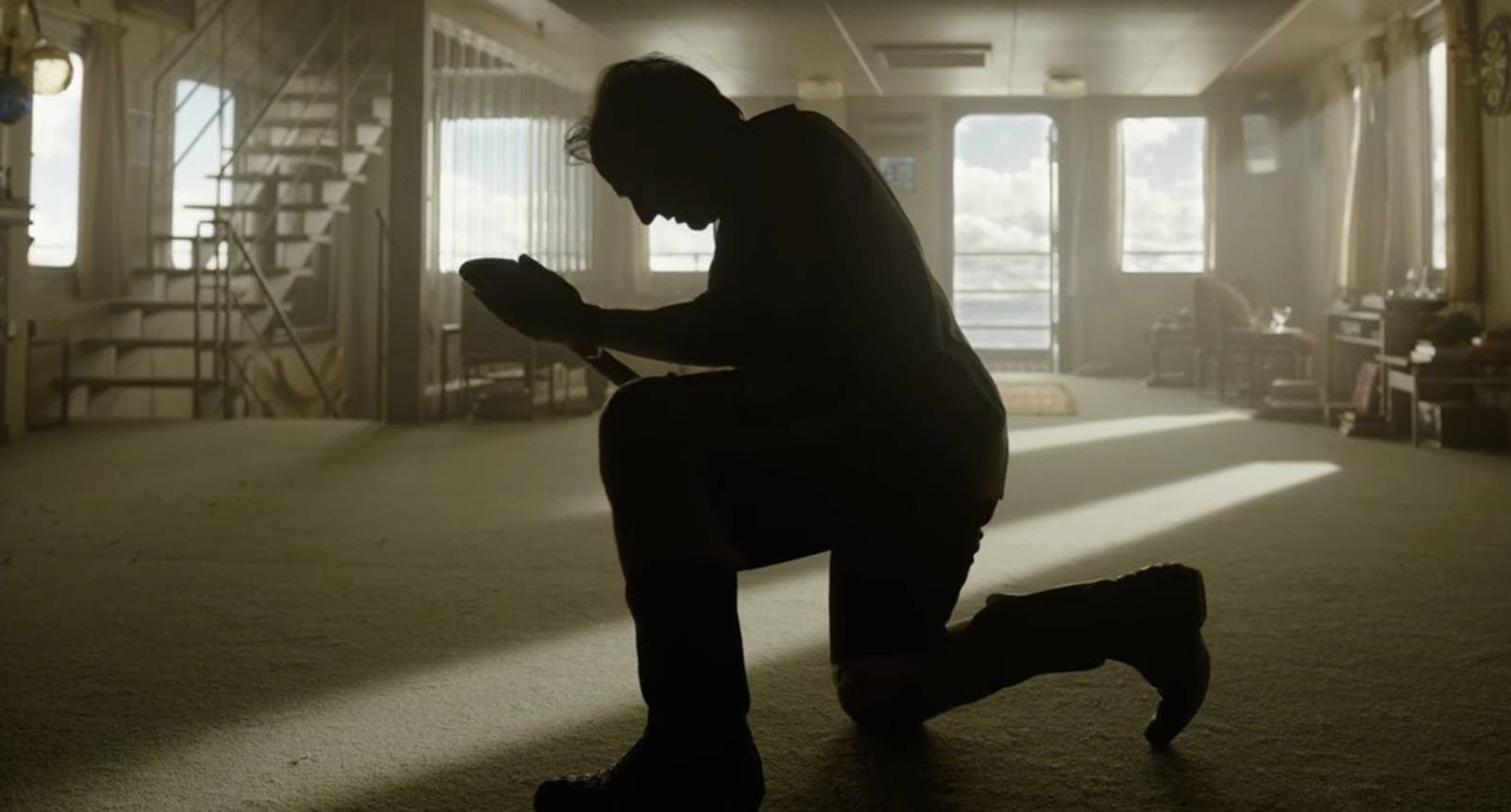
Published Oct 5, 2026, 6:20 PM EDT Brandon Zachary is a Lead Writer for Screen Rant's New Movie Team. He also writes or has written for Comicbook.com, CBR, That Hashtag Show, Just Watch, and TVBrittanyF. Brandon is an Emerging Screenwriters Semi-Finalist, co-writer of a Screencraft Quarter-Finalist, a seasoned on-screen interviewer, and a MASSIVE nerd. You can reach him at bs.zachary@gmail.com The following contains spoilers for DiggerDigger is a big and broad satire that uses a lot of silly bits to convey just how frustrated the general populace has become. Mainstream filmmaking has long reflected the times through storytelling. The mood of the era can influence the art it produces (and vice versa), with periods like the hippie movement or the War on Terror leading to generations of films with distinct tones. That extends to the modern day, where more and more films are becoming willing to use their platform to call out power structures. Digger is one of the loudest of those kinds of movies, with a clear (and harsh) perspective on the ruling class and their legacy. Digger is, more than anything, a farce about how anger can animate and unite people. Digger Is A Furious Film About The Modern World Digger is one of the recent slate of movies that embraces an overtly furious outlook when it comes to reflecting on the larger world around it. While the film instantly pokes fun at the oil companies that are causing massive amounts of ecological damage for the sake of their profit margins, the movie extends the frustrations to the wider world and the society that could allow people like Digger to succeed. As the director of the in-universe play, Hannah explains to Digger's actor Curtis, the reason the play "Fossil Fools" has to be farcical isn't just because people like Digger were dangerous in their short-sighted stupidity, but that the entire society around him was just as culpable for the fallout of his actions. In the eyes of people like Kenny, that sense of unity through fury is the reward for art like "Fossil Fools." There's a palpable anger in Hannah, who doesn't care that Curtis is having a hard time humanizing the buffonish Digger. She references crew members who lost family to the ecological disaster Digger caused, arguing the play has to be ridiculous because the people it is focused on deserve nothing less. It takes vindictive joy from seeing Digger lose his mind and drown himself, speaking to that fury. It's also far from the only movie recently to take that kind of thematic approach. The Uprising targets the power structures that refuse to engage with the people, while The Social Reckoning shows the lengths companies like Facebook go to avoid consequences. How to Rob a Bank is a heist movie that repeatedly calls out real-life statistics about modern American inequality. Digger might be one of the more pronounced of these movies, ending with people cheering for Digger's death before being forced to wear gas masks to even walk through the world he left behind. Movies in 2026 seem to be picking up on the stifled fury of a generation, with Hollywood productions reflecting a frustration with power structures and fury over inept and cruel leaders. What Hollywood's Recent Rage Is Really About This isn't the first time the movies got mad. Films like The Great Dictator expressly called out world leaders in the early days of World War II, while High Noon was a thinly veiled shot at the effects of McCarthyism through the lens of a western. The 1970s were an especially angry time at the movies, with many filmmakers working through their frustrations over the previous decade on the big screen. A Clockwork Orange, Chinatown, Dirty Harry, Dog Day Afternoon, Network, Straw Dogs, Taxi Driver, and plenty of other movies from that period were rooted in feelings of frustration with the world around them, leading to outbursts of violence and anger. All those movies focused on corrupt systems, often with dour finales. By contrast, these modern films have a proactive bent to them that highlights how people -- whether that be actors putting on a play, thieves robbing banks, or whistleblowers at major companies -- are necessary factors in bringing about change. Digger is perhaps the bleakest of the lot, noting that humanity can get revenge on our monsters, but it can't fix the damage that's already been done to the world. Digger's anger is what makes the surreal touches of satire work, as it keeps the movie from feeling like a string of goofy bits and metatextual self-analysis. The fury felt by the world towards Digger transformed his legacy into a joke and remade him as a farce. It openly cheers his demise and calls out his impact and legacy in no uncertain terms. There's a genuine sense of tension in the larger world right now, especially as divisive government figures jockey for control of a society that too often finds itself at war with others and itself. Digger is one of the loudest canaries from Hollywood in the mine that is the modern-day world, highlighting how even that massive industry can tell that the nation's sentiment is growing fiercer with each day. Digger Release Date October 2, 2026 Runtime 128 minutes Director Alejandro González Iñárritu Writers Alejandro G. Iñárritu, Sabina Berman, Alexander Dinelaris, Nicolás Giacobone Cast
Digger, The Uprising, And The Social Reckoning Prove Hollywood Is Mad As Hell Again
Full Article
Original Source
Read the full article at Screenrant →KhanList aggregates and links to publicly available news content. We do not host full articles from third-party sources. Always verify important information with original sources.