
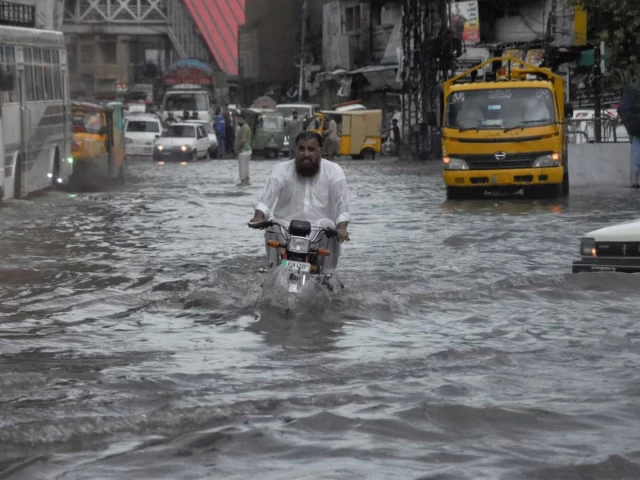
Rising energy costs, super El Nino mount pressure on developing nations ahead of IMF-World Bank meetings Reuters October 02, 2026 2 min read A man rides on a motorcycle amid flood waters along a road during the monsoon season in Rawalpindi, Pakistan, July 19, 2023. PHOTO: REUTERS Rising energy costs, a super El Nino and soaring borrowing costs are increasing pressure on developing countries, with conditions nearing those of the pandemic when the G20 suspended debt payments for the poorest nations, the United Nations Development Programme said on Friday. Global policymakers are expected to discuss the huge challenges facing developing countries at the annual meetings of the International Monetary Fund and World Bank in the Thai capital Bangkok from October 12 to 18, UNDP Administrator Alexander De Croo told reporters. He warned events could trigger a "domino effect with many, many countries being pushed into financial distress," but stopped short of calling for a new round of debt relief. The IMF-World Bank meetings will bring together top financial officials from around the world for talks on the global economy, AI, climate change and other challenges, as government borrowing costs hit their highest in several decades on heightened concerns about inflation as the Iran war drives up energy prices. At the same time, the strongest El Nino weather effect since 1950 is expected to trigger more floods in some regions and droughts in others, plunging an expected 49 million more people into food insecurity by the end of 2027. Read: Six big takeaways from a turbulent week of UN diplomacy De Croo said UNDP surveys conducted since the start of the war showed it had morphed from a regional conflict to "a crisis which has an impact on approximately 100 countries." Many governments have taken steps to shield their citizens from the surge in oil prices but their fiscal coffers are now running low and their debt levels are rising, with no real relief in sight, he said, adding that countries should focus on measures to help the most vulnerable. While some countries were diversifying their energy sources and adapting their food systems, those efforts would take time, leaving them in a "really tough, tough spot" for now, he said. Subsidy burden UNDP Chief Economist George Gray Molina said a major shift was seen in September, as some governments began to allow higher energy prices to flow through to citizens, and started rolling back subsidies, tax relief and other steps that had kept food and energy prices largely in check since the war began. "That means that they're not able to contain fiscally and financially that burden," he said. "We think that this is a significant issue that needs to be discussed." Even middle-income countries had rapidly depleted their fiscal buffers as they raced to mitigate rising energy prices, he said. Read More: UN chief calls for AI curbs and end to wars in his last assembly address Molina said bond market and oil price developments over the next 60 days would be crucial. Higher prices had already contributed to protests and social unrest in 10 countries in September, UNDP said. And many countries expect conditions to deteriorate. 22 of 26 nations surveyed by UNDP rated the crisis as a high or medium priority; 13 said it came on top of an existing economic or fiscal crisis, and all 26 judged that the worst was still to come.
Developing countries hit by overlapping crises, UNDP chief warns
Full Article
Original Source
Read the full article at Tribune →KhanList aggregates and links to publicly available news content. We do not host full articles from third-party sources. Always verify important information with original sources.