
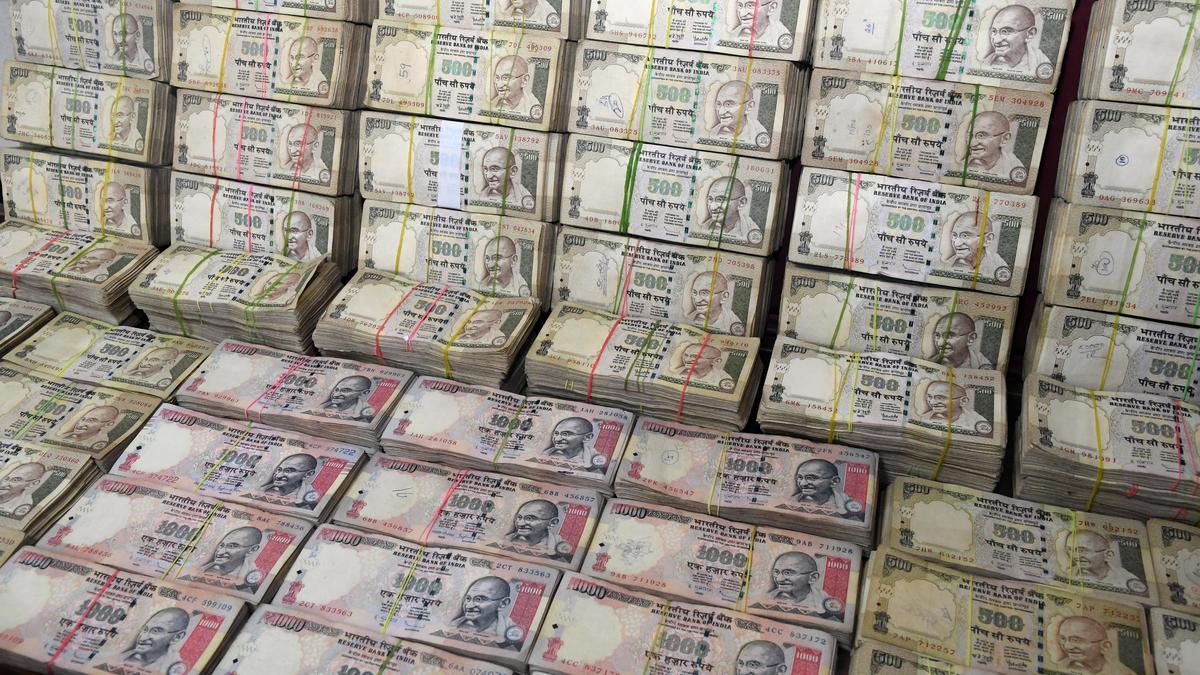
Liquidity is an economic determinant of health’ | Photo Credit: THE HINDU/MANJUNATH H.S. On November 8, 2016, 86% of India’s currency by value — in the form of ₹500 and ₹1,000 notes — ceased to be legal tender at just four hours’ notice. The stated objectives included curbing counterfeit currency and black money and accelerating the adoption of digital payments.It was among the largest transitory liquidity shocks engineered in a cash-reliant economy. Nearly all demonetised currency returned – some 99.3% as per Reserve Bank of India data – and broader financial indicators such as interest rates and deposits remained stable. As Chodorow-Reich et al. in their influential 2020 Quarterly Journal of Economics study have documented, the direct effect was a temporary reduction in the stock of money in the economy. Published - November 07, 2026 12:08 am IST
Demonetisation and the health costs of cash shortages
Full Article
Original Source
Read the full article at Thehindu →KhanList aggregates and links to publicly available news content. We do not host full articles from third-party sources. Always verify important information with original sources.