
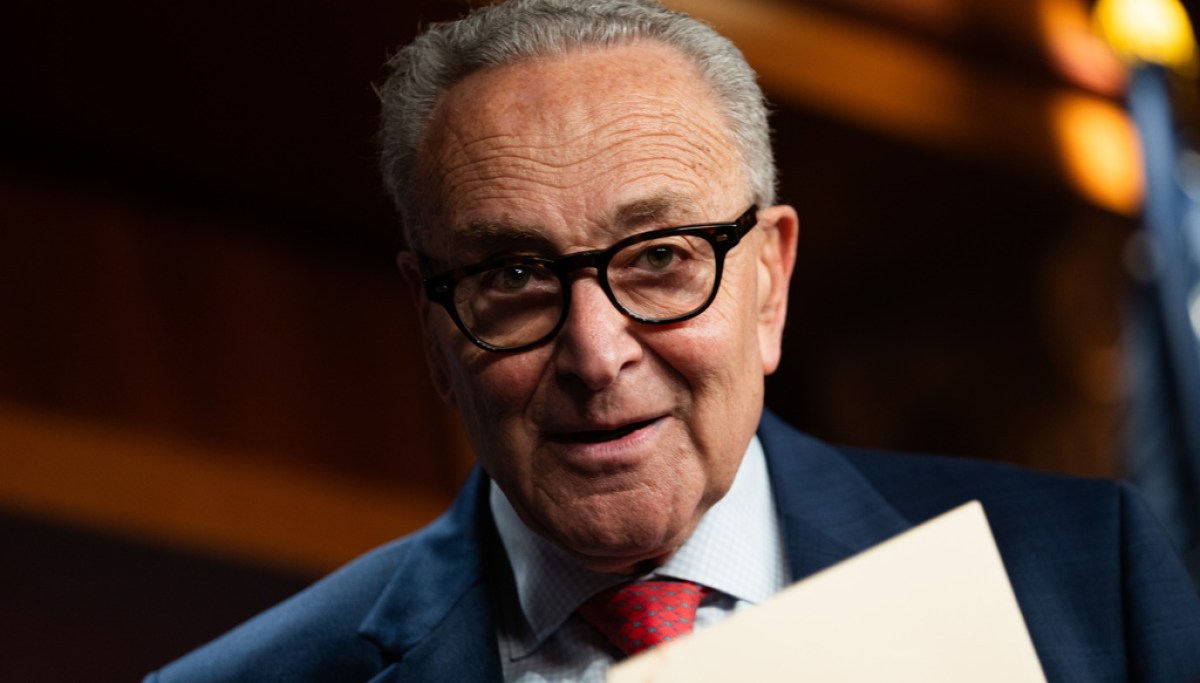
Senate Minority Leader Chuck Schumer (D-NY) and other Democrats sued President Donald Trump and senior administration officials on Tuesday over the federal effort to identify noncitizens and other illegal registrants on state voter rolls, setting up a court fight as the administration steps up enforcement in California.The 44-page complaint filed in Washington, D.C., federal court said the effort relies on “shoddily compiled lists of supposed noncitizens — target lists that have crumbled upon the barest inspection.” It argues that in Nevada, the Department of Homeland Security initially said it identified nearly 16,000 noncitizens registered to vote, then narrowed the figure to 185. Nevada officials told the federal government that all 185 appeared to be citizens, the suit said.The Democrats argue the administration has no authority to direct state voter list maintenance or decide which voters receive ballots. “None of this is lawful,” the complaint states, adding that Congress left voter list maintenance to the states, subject to a limited federal enforcement power. The suit asks a federal judge to block Trump and other officials from threatening states that decline to remove registered voters. The administration says it is acting to protect elections and enforce federal law. White House spokeswoman Lauren Bis told the Los Angeles Times it is “taking decisive lawful action to protect our elections,” including prosecuting election crimes and protecting voters from fraud and coercion.U.S. District Judge James Boasberg, the chief judge of the D.C. federal court, was assigned to the case. Boasberg is an appointee of former President Barack Obama.The lawsuit lands amid a mounting confrontation with officials in California.On Oct. 15, the Justice Department sued California election officials, asking a judge to bar the state from counting mail ballots cast by people federal agencies identified as “likely” noncitizens until their citizenship could be verified. The department said it had sent the state a list of more than 20,000 names and faulted officials for not reviewing it in a timely manner. A subsequent letter was sent later in the week, telling officials that they could be held legally liable if they knowingly allowed any ineligible people to vote in the election.California officials have characterized the information as unverified and declined to set aside ballots based on the list.Four days later, federal authorities announced charges against 28 people in California as part of “Operation Protect the Vote.” Prosecutors allege the suspects, all lawful permanent residents, illegally registered or voted in U.S. elections; at least 11 were arrested. The DOJ said each appeared on its list of likely noncitizen registrants.The cases add urgency to the administration’s argument that states should cooperate with voter-eligibility checks. California Democratic Attorney General Rob Bonta has called the alleged instances “a drop in the bucket” compared with the state’s 23 million registered voters, while federal officials argue even a small number of unlawful votes can matter in close contests.FEDERAL VOTER FRAUD ARRESTS INTENSIFY IN CALIFORNIA DAYS AFTER DOJ WARNINGThe DOJ over the past year has sued dozens of states seeking detailed voter records, arguing the information is needed to enforce federal election laws. Those suits have so far been unsuccessful in at least 26 different states, including some Republican-led states.State officials and voting-rights groups have challenged the department’s authority and raised privacy concerns, though the department has argued obtaining the data would merely serve as a check to ensure individual states’ voter rolls are compliant with state and federal laws.
Democrats sue Trump administration over efforts to clean illegal registrants off voter rolls
Full Article
Original Source
Read the full article at Washingtonexaminer →KhanList aggregates and links to publicly available news content. We do not host full articles from third-party sources. Always verify important information with original sources.