
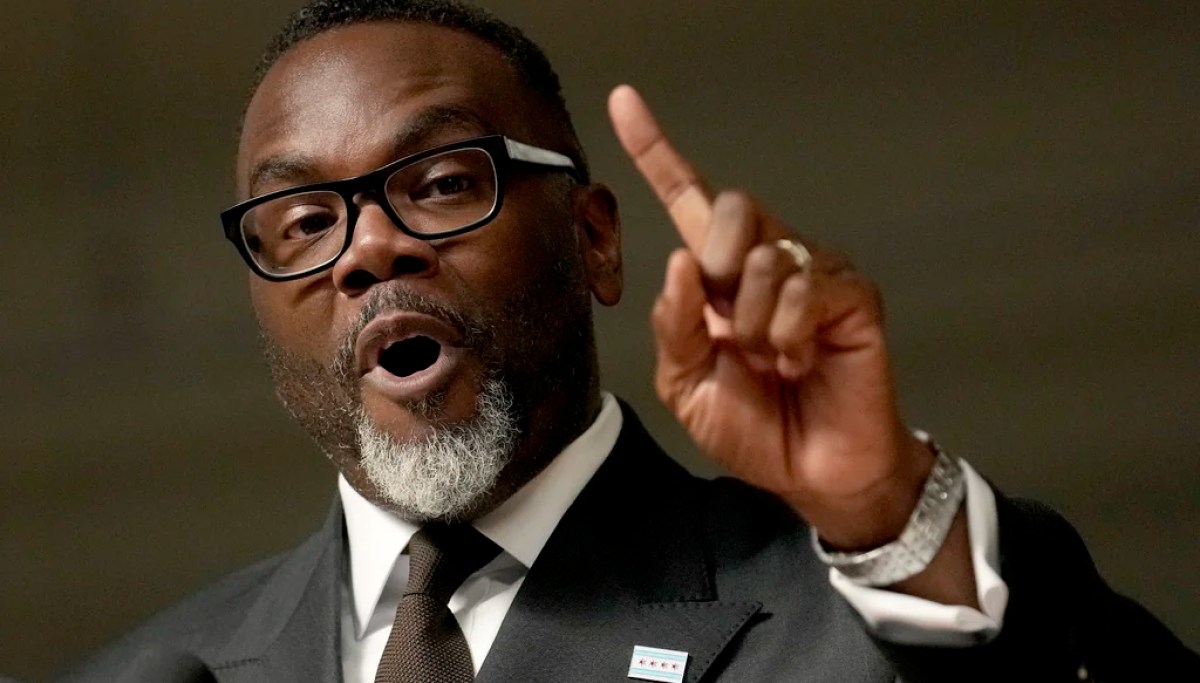
It is not a good sign when a city’s chief financial officer resigns in the middle of budget season. It is worse when she is the third chief financial officer to leave in a year and, in her resignation statement, says that that “to continue in this role would be to compromise my integrity and professional obligations.” Such is the dire situation Chicago just three years after Mayor Brandon Johnson, who was endorsed by the Democratic Socialists of America, took office.Johnson’s complete list of fiscal malfeasance is too long to recount here, but three decisions stand out for sheer recklessness. First, in February 2025, Johnson persuaded the city council, by a single vote, to authorize $830 million in borrowing for streets, sidewalks, bridges, and other infrastructure. Chicago needed repairs, but Johnson’s bond scheme deferred all principal payments for the first 20 years of the loan, bringing the total cost to taxpayers to over $2 billion by 2055. This wasn’t a “buy now, pay later” loan. It was a “buy now, pray later” loan.Two months later, the Board of Education approved a four-year contract with the Chicago Teachers Union, Johnson’s former employer, that is projected to add $1.56 billion to the cost of running Chicago Public Schools. The deal gave teachers a 4% cost-of-living raise in the first year and raises of 4% to 5% in each of the next three, with additional raises for veteran teachers. It also committed the district to hiring an estimated 800 to 900 more employees, even as the number of students it serves keeps falling dramatically. Then, in May, Johnson won approval for his Green Social Housing program, creating a city-owned nonprofit developer backed by a $135 million revolving loan fund. The money came out of the $1.25 billion housing and development borrowing program the council had authorized last year. Developers are supposed to repay their loans so the city can finance more projects, but Chicago still owes its bondholders. City finance officials estimated that the broader borrowing program could cost taxpayers $2.4 billion through 2061, with debt payments drawing on property tax revenue that would otherwise return to the city as special taxing districts expire.Fast-forward to this October. After Johnson submitted his 2027 budget to the city council for approval, Ald. Matt O’Shea asked the city’s chief financial officer, Ashlee Gabrysch, whether structural fixes accounted for 76% of the measures used to close the budget gap, as the mayor claimed. Gabrysch testified that the real figure was 56%. Two weeks and a tense meeting with Johnson’s chief of staff later, Gabrysch resigned.Before joining city hall, Gabrysch was an analyst at Fitch Ratings, one of the Wall Street agencies that assess cities’ creditworthiness. Five days after she resigned, S&P Global Ratings warned there was at least a 50% chance it would downgrade Chicago’s bonds within 90 days.Chicago is not the only city struggling to pay for the promises of socialist-endorsed Democratic mayors. In New York, Mayor Zohran Mamdani’s administration relied on more than $6 billion in temporary measures to close two years of budget gaps, including pushing payments on four of the city’s five pension funds into later years. His own financial plan still projects a $6.2 billion shortfall next year and a $9 billion shortfall by fiscal 2030.DEMOCRATS AREN’T SERIOUS ABOUT GUN CRIMEMeanwhile, in Los Angeles, Mayor-elect Nithya Raman will inherit a city on track to overspend its budget by $322 million this year. That’s before factoring in Raman’s plans to spend hundreds of millions more on homelessness before the 2028 Olympics.Voters went to the polls this month and punished Republicans partly for President Donald Trump’s corruption. The Democratic Party’s corruption, however, is far more pervasive. In city halls across the country, Democrats reward political allies with contracts taxpayers can’t afford and cook the books to delay the financial reckoning. Millions of taxpayers are already living with the consequences every day. Their taxes go up, their streets go unrepaired, and they wait longer for basic services. In 2028, voters will remember who stuck them with the bill.
Democratic fiscal insanity
Full Article
Original Source
Read the full article at Washingtonexaminer →KhanList aggregates and links to publicly available news content. We do not host full articles from third-party sources. Always verify important information with original sources.