
The AI could spill out of control. Google DeepMind CEO Demis Hassabis has warned that the AI industry could be heading for an accidental incident similar to an “oil spill”, where poorly monitored AI systems cause serious damage. He says companies are racing to build more advanced AI systems, but safety measures are not keeping pace. Hassabis believes companies should now step up their efforts, invest more in AI safety and ensure that AI agents are properly monitored rather than left to operate without human supervision.Speaking to LinkedIn co-founder Reid Hoffman on the Masters of Scale podcast, Hassabis said the next phase of AI development, where systems improve themselves without human supervision, carries significant risks. “The next phase which I think carries the most risk is closed RSI, closed loop where you basically manage to somehow figure out how to do it without the human reviewer process,” he said.He warned that companies need to pay more attention to monitoring and securing AI agents before something goes wrong. “Some kind of incident, you know, I sometimes call it like an oil spill, is going to happen on the current trajectory if we're not, if we don't get collectively, if everyone doesn't pay a lot more attention and put a lot more resources on these types of systems,” he added.During the conversation, Hassabis explained how recursive self-improvement (RSI) allows AI systems to train themselves and build better versions without relying on human-generated data. He cited DeepMind's AlphaZero as an example. The AI system learnt to play chess by playing millions of games against itself, with each new version becoming better than the previous one. Recalling how quickly AlphaZero improved, Hassabis said, “I could still just about beat it. Then by lunchtime it was grandmaster level and then by teatime it was better than any chess-playing entity.”Hassabis explained that RSI works best in areas such as mathematics, coding and games, where AI can check whether its answers are correct. For instance, it can verify whether a maths problem has been solved correctly, whether a piece of code works or whether it has won a game. However, he said AI development is still in the early stages of recursive self-improvement. Today's AI tools can make human engineers three to five times more productive, but people are still involved in reviewing code and overseeing the work.The bigger risk, according to Hassabis, is when AI systems start improving themselves without humans checking their work. He warned that this could make AI development much faster but also harder for humans to control. “You don't quite know how do you control, keep control of such a system,” he added. He also cautioned that the resulting intelligence could be very different from human thinking, making it difficult for people to understand these systems.Hassabis also raised concerns about AI agents and cybersecurity, saying better engineering could have prevented some recent incidents. “I think a lot of the cyber kind of issues that we've seen in the last six months or so could have been addressed with better engineering, more robust engineering,” he said.He added that companies need better monitoring systems to ensure AI agents do not operate for weeks without anyone noticing. - Ends
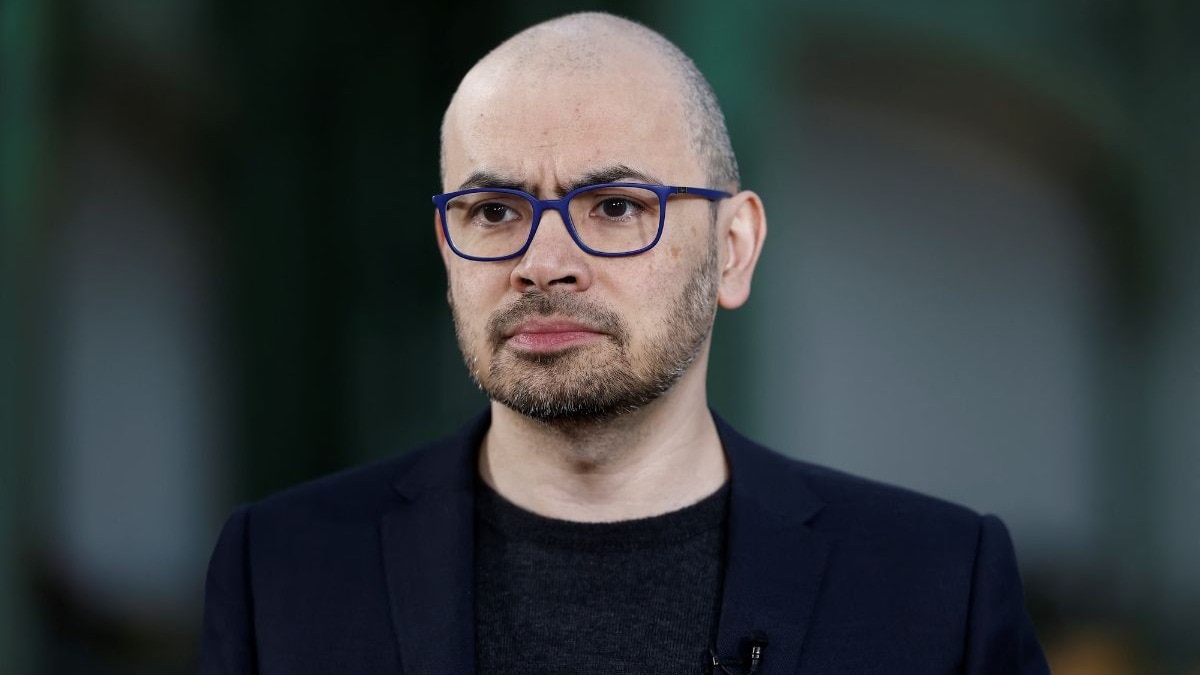
Demis Hassabis warns AI industry is heading for an 'oil spill', says companies must act before it's too late
Full Article
Original Source
Read the full article at Indiatoday →KhanList aggregates and links to publicly available news content. We do not host full articles from third-party sources. Always verify important information with original sources.