
Published Sep 6, 2026, 4:51 PM EDT Jack comes to Simple Flying with a lifelong interest in all things aviation. He holds a degree in Aerospace Engineering from Georgia Tech, and is a certified private and remote pilot. Beyond these experiences, Jack previously worked for a corporate flight department where he gained first-hand experience in the world of business aviation. Currently, Jack works in the professional services industry and continues to build his flight hours outside of work. Delta Air Lines honored a $17.34 upgrade that moved a passenger from Premium Select to Delta One on a flight from Hartsfield-Jackson Atlanta International Airport (ATL) to Incheon International Airport(ICN) in Seoul, despite the unusually low price appearing to be a possible booking error. The passenger had purchased the upgrade in July, watched the offer fluctuate from more than $2,600 to $17.34, and expected the airline might cancel it before departure. Instead, the reservation remained intact, and the traveler completed the 15-hour journey in Delta One. The passenger later confirmed on Reddit that check-in proceeded normally, and that Delta issued an electronic miscellaneous document, or EMD, for the upgrade. “Whether it was a mistake or not, the ridiculously low $17.34 was honored,” the traveler wrote. The unusual transaction offers a rare example of how complex fare and upgrade systems can produce a price that bears little relationship to the normal value of an international premium cabin. A Premium Upgrade That Changed Repeatedly Credit: viper-zero | Shutterstock The original itinerary was unusually complicated. The passenger had booked a trip beginning in New York, traveling through Atlanta to Seoul, and returning from Hong Kong through Los Angeles to New York. The outbound Atlanta-to-Seoul segment was initially booked in Premium Select, while the return included Delta One. The upgrade price did not remain stable either. According to the original Reddit post (included below), the offer was $2,390 when the itinerary was first changed in May. It later increased to $2,661, dropped to $1,812, and then fell to $1,671 after the passenger modified the return itinerary. The final reduction to $17.34 appeared while the traveler was checking the seat map. The itinerary changes affected the booking classes associated with the various segments. The passenger changed the return from Hong Kong to Seoul so that the trip could include a Korean Air Boeing 747 flight to Los Angeles. Adjusting that moved portions of the reservation into different fare inventories, including Delta’s Z business class category on the return and A inventory on the Atlanta-to-Seoul segment. The precise reason for the $17.34 offer remains unconfirmed. Commenters suggested that the system may have calculated the difference between the existing fare and a discounted premium inventory incorrectly. Others speculated that the amount could have been intended as $1,734 with a misplaced decimal point. Neither explanation has been confirmed by Delta. Passenger Received A Documented Upgrade Ian Dewar Photography | Shutterstock The traveler’s update provided evidence that the transaction was not merely a temporary display error. After purchasing the offer, the passenger repeatedly checked the reservation, expecting Delta to reverse the transaction. The airline nevertheless allowed the traveler to check in for the New York-to-Atlanta and Atlanta-to-Seoul flights. The upgrade was processed through an EMD, a document airlines use to record additional services, including certain paid upgrades. Delta’s agency guidance states that a post-purchase upgrade generates an EMD connected to the reservation, while the applicable ticket coupons reflect the upgraded cabin. That documentation helped preserve the transaction even though the original ticket number remained unchanged. The passenger said there was no need for the ticket to be reissued because the upgrade had its own associated document number. The traveler subsequently flew the long-haul segment in Delta One, confirming that the airline treated the purchase as valid. The case does not establish that Delta routinely offers international business class upgrades at similar prices. It is an isolated customer report, and the airline has not publicly explained the fare calculation. The transaction is therefore best understood as an unusual outcome within a dynamic pricing system rather than a published promotion. Low Deal Contrasts With Delta’s Premium-Revenue Strategy Credit: Wikimedia Commons | Simple Flying The upgrade occurred as Delta continues to place greater emphasis on selling premium products rather than distributing them primarily through complimentary upgrades. Delta’s own financial disclosures classify paid upgrades as premium revenue, and the airline has repeatedly described premium demand as a major part of its commercial strategy. Delta’s upgrade system also allows eligible customers to purchase cabin changes with cash or SkyMiles when an offer is available. The airline maintains a separate complimentary-upgrade program, although international Delta One upgrades are generally not covered by the standard domestic benefit structure. This strategy makes the $17.34 transaction especially unusual. A lie-flat Delta One seat on a 15-hour transpacific flight normally represents a substantial premium over an economy or Premium Select ticket. Delta’s premium-revenue model depends on capturing part of that value through fares, upgrades, loyalty transactions, and related products. The passenger’s original fare also complicates the meaning of the discount. It is important to note, however, that the $17.34 payment was not the total cost of the trip or even the original cost of reaching Premium Select. Instead, it was the marginal amount charged to move into Delta One on one segment, with the broader itinerary reportedly being approximately $4,500. The episode nevertheless demonstrates the limits of automated pricing. Dynamic systems respond to inventory, fare classes, itinerary changes, and customer eligibility. When those elements interact unexpectedly, the resulting offer can be dramatically lower than the value of the seat. Delta’s decision to honor the purchase may also reflect the practical difficulty of reversing a completed transaction after the upgrade had been documented, and the passenger had traveled. For other travelers, the case is a reminder that unusually low offers should be saved immediately, but not assumed to be guaranteed until the upgraded cabin appears in the confirmed reservation.
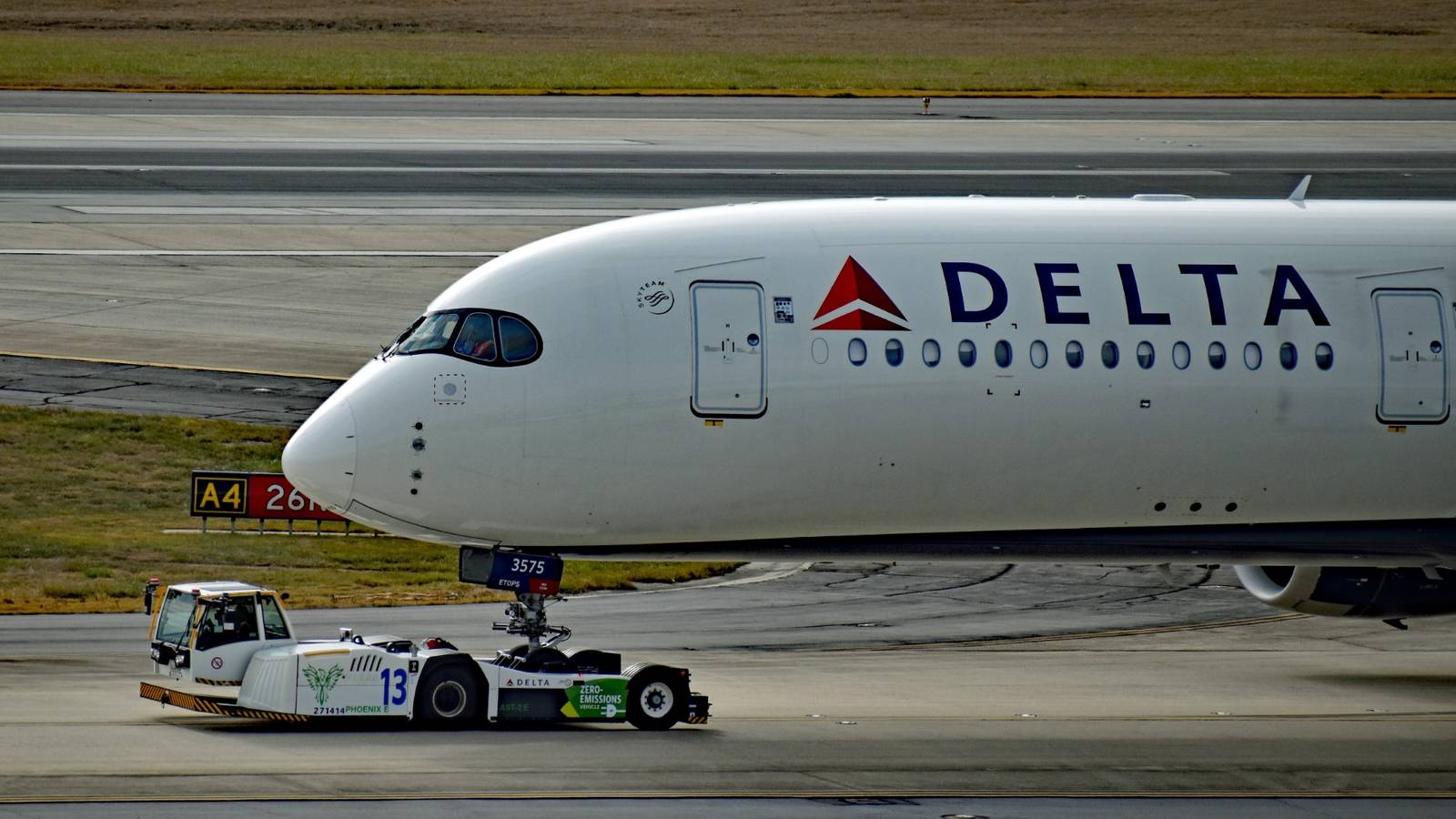
Delta Honors "Ridiculously Low" $17.34 Upgrade To Delta One On 15-Hour Seoul Flight
Full Article
Original Source
Read the full article at Simpleflying →KhanList aggregates and links to publicly available news content. We do not host full articles from third-party sources. Always verify important information with original sources.