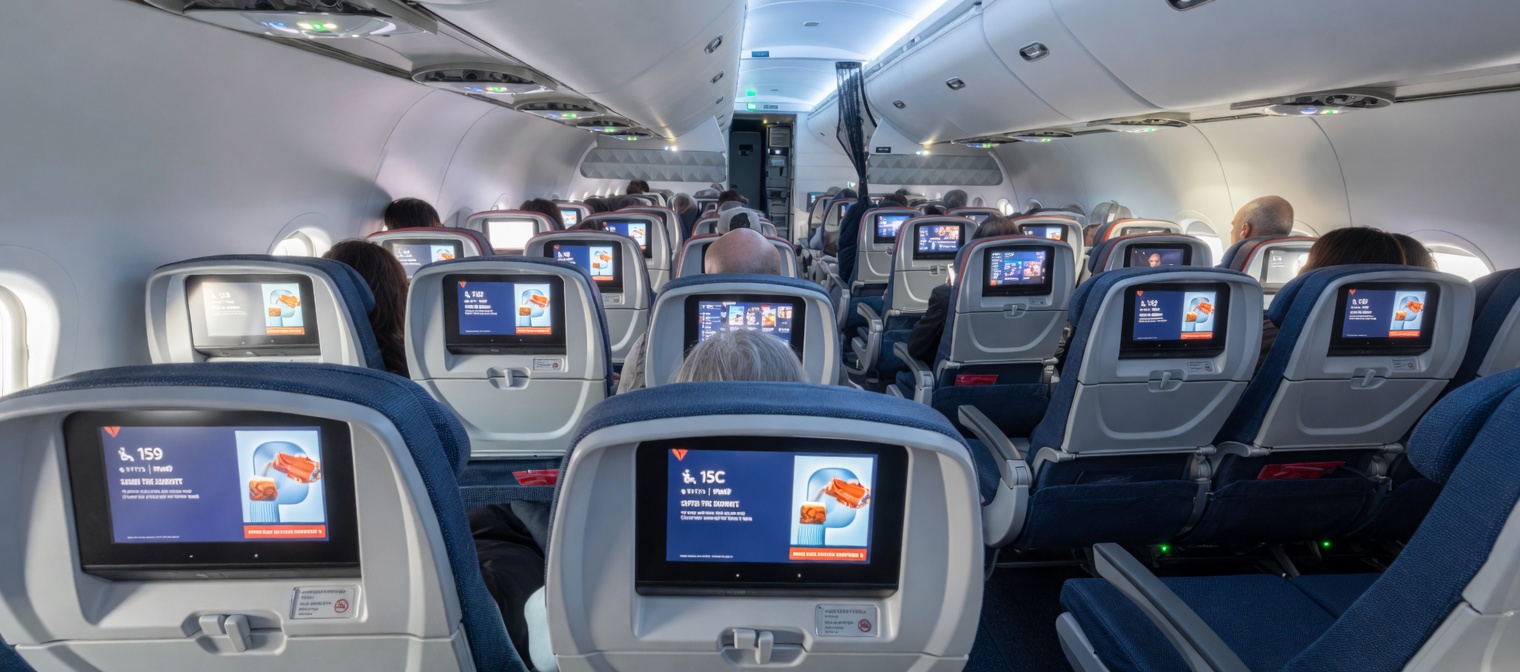
Delta Air Lines flight 591 from Las Vegas to Atlanta experienced a wifi hacking scare following DEF CON, the world’s largest hacking convention. DELTA FLIGHT 591 CARRYING PASSENGERS FROM DEF CON 34 IN LAS VEGAS HIT BY SUSPECTED WI-FI ATTACK MID AIR. Delta Flight 591 from Las Vegas to Atlanta reportedly encountered a suspected Wi-Fi attack involving passengers returning from DEF CON 34, which concluded in Las Vegas on… pic.twitter.com/6cPqvbUFfz — Turbine Traveller (@Turbinetraveler) August 11, 2026 Sunday’s flight didn’t leave Las Vegas until 8:30 a.m. Monday, 17 hours and 42 minutes late, and reached Atlanta at 3:05 p.m. Eastern time. About an hour after takeoff, the crew used the ACARS system to ask that corporate security be alerted that a passenger had created a “scam Wi-Fi” network called Delta WiFi Fast and said they believed the person was trying to scam other passengers. Seventeen minutes later the crew sent a follow-up: “NO INFO AS OF NOW.” They said several passengers had attended a cybersecurity conference in Las Vegas and “were able to jam our Wi-Fi and broadcast their signal.” That message was picked up by two independent ground receivers: For anyone calling BS on the WiFi incident, here’s the ACARS messages by u/Samurlough in delta A post in a private Delta frequent flyer group filled details and it spread to Reddit, explaining that DEF CON attendees used a Wi-Fi Pineapple (a pocket security testing router) and cloned Delta’s network, served a phishing page, harvested Google credentials, and the plane was met by federal agents who seized their equipment. One Reddit commenter who says they were on the flight reports that the pilots made several announcements and shut off the passenger Wi-Fi for part of the trip. They thought it appeared to be a fake access point and said they saw no police or federal agents at the gate. Another anonymous commenter claimed the plane was met and one person was detained. A fake wifi network name “Delta WiFi Fast” doesn’t require any hacking. A rogue hotspot that imitates a trusted one is often called an “evil twin.” A passenger connects and may be shown a fake sign-in page. If they voluntarily enter a username and password, those credentials can be stolen. An attacker can also send forged Wi-Fi management messages telling devices that they have been disconnected. Repeat that often enough and the real service becomes unusable, while the imitation network remains visible. That’s a deauthentication attack that might be colloquially described as “they jammed our Wi-Fi.” I wrote last month about an Air Canada passenger who used a $79 travel router to buy one inflight internet session and rebroadcast it to the cabin. Creating another network on a plane actually isn’t hard and isn’t hacking the aircraft. While it’s understandable to be a bit freaked out here, there’s no evidence that the plane itself was in any way at risk – just some passengers being phished by hackers having fun after a conference it seems. However what happened might have been a crime. Broadcasting a problematic hotspot name isn’t although don’t use ‘Al Qaeda Sleeper Cell’ or ‘remote detonator’ on this Delta flight and “I have a bomb” on an American Airlines flight. A Turkish Airlines flight actually diverted over a “bomb on board” network. Deliberately knocking people off Wi-Fi runs afoul of FCC rules, and intentionally impairing Delta’s network could create liability under the Computer Fraud and Abuse Act. Phishing might involve wire fraud or identity theft. Beyond any technical prowess, publishing “Delta WiFi Fast” is really just social engineering. Of course passengers want the fast version of the connection! But is Delta really offering a secret faster version of its wifi, then publicly naming it fast? If that were true who would connect to the regular one? It makes no sense. Topics on this page
Delta Flight Hit By Hackers After DEF CON Las Vegas — Crew Says They “Jammed” The Inflight Wi-Fi
Full Article
Original Source
Read the full article at Viewfromthewing →KhanList aggregates and links to publicly available news content. We do not host full articles from third-party sources. Always verify important information with original sources.