
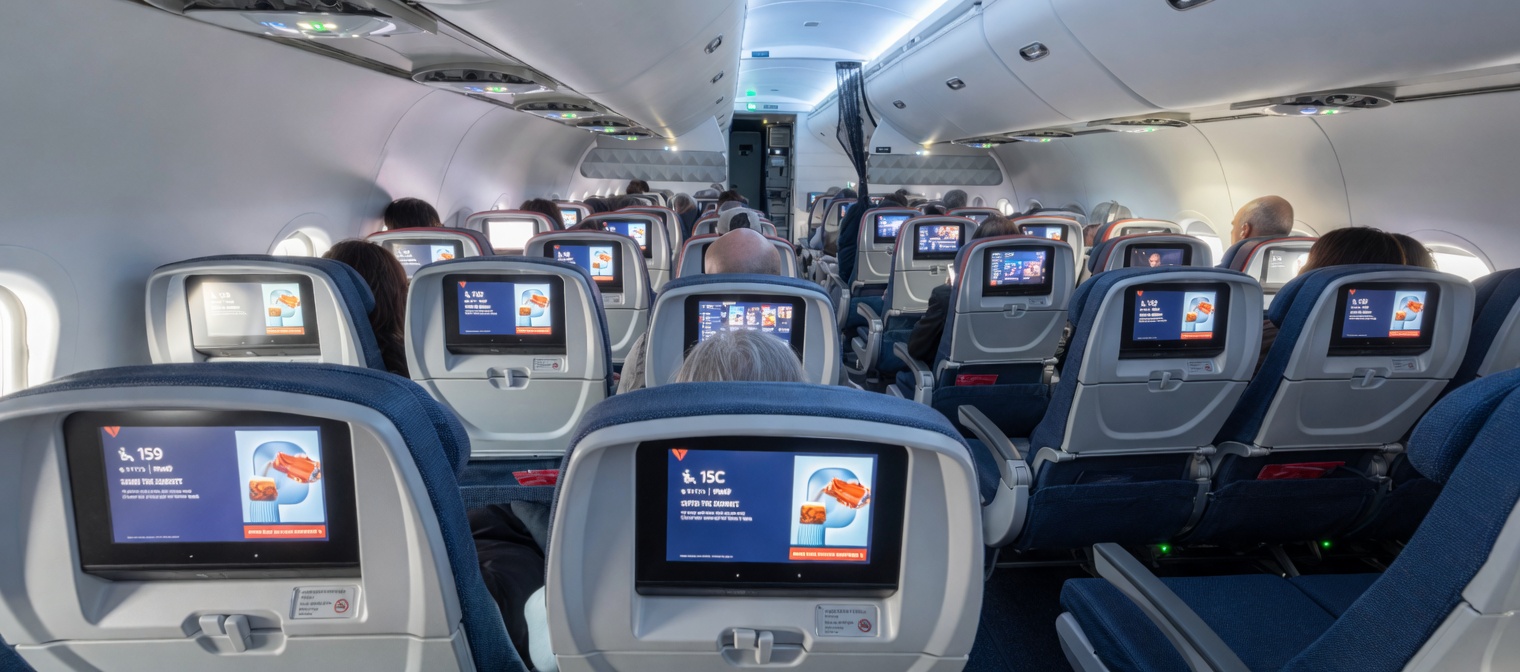
Delta Air Lines passed on Starlink and chose Amazon for its next generation inflight wifi, with installations not even anticipated to begin until 2028. On Sunday, a rocket carrying 40 satellites for Amazon Leo, its competitor to Starlink, failed about 10 minutes into flight. None of them reached orbit. That’s another problem for an airline already giving United time to offer a better product to its most valuable customers. United said Thursday that more than half its daily flights now have Starlink. Delta’s offering needs a much larger network of satellites before it can even start to deliver on its promises. Aviation watchdog JonNYC calls this “Very bad news for Delta inflight wifi.” Very bad news for Delta inflight wifi — JonNYC, November 15, 2026 We don’t know yet whether this will push back Delta’s 2028 introduction. Delta chose an airline product that hasn’t proved itself in service and depended on Amazon building its satellite network on schedule. That already-risky decision looks even riskier now. Amazon’s Problem Is Getting The Next Satellites Into Space United Launch Alliance confirmed that its Vulcan rocket failed to deliver Amazon’s satellites to orbit. This was supposed to be Vulcan’s return after a February booster-nozzle problem. They spent months investigating and changing the design. Amazon can replace 40 satellites. It says it completed its 1,000th satellite in September and has hundreds ready to launch. Its mission list adds up to 396 production satellites successfully launched before Sunday. What Amazon needs is a reliable way to get all those satellites off the ground. Vulcan was supposed to carry more than 1,500 satellites across 38 missions, close to half the initial constellation. The second mission was already being prepared to launch within weeks of a successful first one. Amazon has other launch providers. Ariane 6 is scheduled to carry 36 more satellites no earlier than November 23. Amazon has also bought additional SpaceX launches. However, Blue Origin’s New Glenn is still recovering from its own May ground-test accident, with its investigation still open. Losing months of Vulcan launches leaves a bigger hole than the loss of this single payload. Delta Wanted Amazon’s Deal And Control Over The Customer Experience When Delta announced its Amazon decision in March, I pointed out why the arrangement could be attractive. Amazon badly wanted a major airline customer. It could offer a package involving wifi, entertainment and cloud computing, with more room to make the overall economics attractive than a standalone internet provider. Delta’s announcement tied the deal to Amazon Web Services, Delta Sync and its seatback experience. Ed Bastian subsequently said Amazon offered better pricing along with retail and entertainment capabilities. I covered the dispute over branding and the airline’s portal in May. Bastian explained, “(Elon) thought it should be called Starlink on the planes. I said ‘No, it’s gotta be Delta.’” Delta uses its wifi to get passengers into SkyMiles and Delta Sync, where it can promote partners and sell them things. But passengers who care about the quality of their internet recognize Starlink as the reason to choose the flight. A cheaper contract and more control over branding meant giving up years where competitors have a better product. JetBlue Service At Greatest Risk JetBlue plans to begin installing Amazon’s service on some aircraft in 2027. That gives it less time to absorb launch setbacks than Delta, which has announced an initial 500 aircraft beginning in 2028. Amazon doesn’t need its entire planned constellation operating to begin serving some airline routes. It needs enough satellites in the right places, enough capacity, and working aircraft equipment. It doesn’t have that yet and it’s increasingly likely that it won’t in time for JetBlue’s announced rollout. United Has A Window To Change Which Airline Customers See As Premium I’ve argued that United’s improving cabins give it a real opportunity against Delta. Large screens, bigger overhead bins and internet that lets you actually work are things passengers experience every time they fly. Delta’s reputation doesn’t make those differences disappear. When I covered United’s accelerated Starlink rollout last month, I explained that I’d avoided United when I couldn’t count on functional internet. I’ll pay more to be productive onboard. Losing several hours of work can cost far more than the difference in airfare. United’s latest public schedule calls for Starlink on nearly 64% of daily flights by the end of this year and completion of installations by the end of 2027. It should be broadly in place before Delta even starts installing Amazon’s alternative. United has already used better wifi to recruit Delta’s frequent flyers with status matches. Topics on this page
Delta Bet Its Future On Amazon Satellite Wi-Fi—And A Major Rocket Failure Just Made That Gamble Riskier
Full Article
Original Source
Read the full article at Viewfromthewing →KhanList aggregates and links to publicly available news content. We do not host full articles from third-party sources. Always verify important information with original sources.