
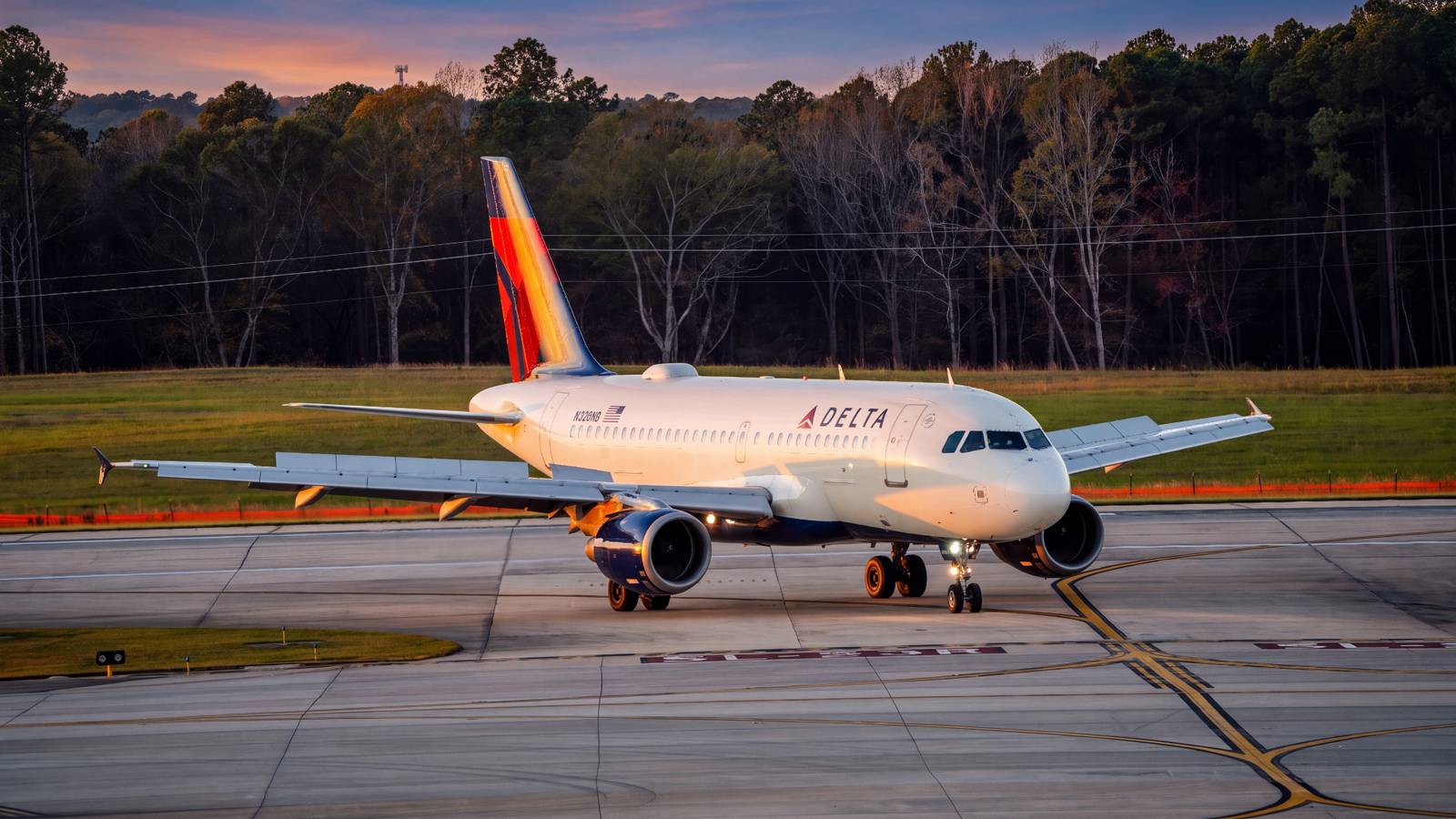
Published Nov 29, 2026, 5:33 PM EST Jasper Yu-Dawidowicz is a New York City-based aviation journalist with over seven years of journalism experience across different publications. Currently an undergradate student, Jasper is pursuing dual degrees in Professional Flight and Aviation management, completing his flight training as part of Purdue's part 141 R-ATP eligible program. Three Delta Air Lines first officers declared themselves too fatigued to continue flying within hours, forcing the airline to arrange for replacement crews during one of the busiest travel weeks of the year. The incidents involved pilots on three separate Delta Airbus narrowbody aircraft and occurred during an already challenging period for the airline, with the Atlanta-based carrier still dealing with the operational fallout from a major weight-and-balance system outage the previous day. While having three pilots call in fatigued within such a short period is unusual, declarations of fatigue are not uncommon in commercial aviation, especially at a large airline like Delta. In fact, the ability of pilots to remove themselves from duty when they believe they are no longer fit to fly is a critical foundation of the industry’s safety framework. Three Delta First Officers Declare Themselves Too Fatigued To Fly Credit: lorenzatx | Shutterstock-1 According to aviation news outlet AIRLIVE, the first incident involved Delta flight DL1137, operated by an Airbus A320 aircraft registered N374NW. The 25-year-old Airbus narrowbody landed at Hartsfield–Jackson Atlanta International Airport (ATL) at approximately 3:33 PM Eastern Time on November 23. Seven minutes later, after reaching the gate at 3:40 PM, the first officer called out fatigued, declaring themselves unable to continue with their remaining scheduled flights for the rest of the day, requiring Delta to arrange a replacement pilot for the aircraft’s next operation. The second incident occurred the next afternoon on November 24, also in Atlanta. Flight DL1241 was scheduled to operate to Albany (ALB) with another Airbus A320 registered N359NW, when its first officer declared themselves fatigued before departure. Delta’s crew scheduling team subsequently had to locate a reserve pilot to operate the flight, with the crew change contributing to a late departure of 23 minutes at 4:08 PM local. The third declaration came later that evening, this time involving flight DL2654 and a 7-year-old Airbus A321 registered N350DN. The aircraft arrived in Minneapolis-Saint Paul International Airport (MSP) after a two-hour and five-minute flight from Atlanta at 7:05 PM Subsequently, the flight’s first officer reported being fatigued, with a new crew operating the aircraft’s next flight to Boston at 7:59 PM Simple Flying has reached out to Delta Air Lines for further clarification and comment on all three incidents and will update this article upon receiving a reply. How Pilots And Airlines Manage Fatigue Under FAA Regulations Credit: Robin Guess | Shutterstock Although the three incidents above occurred within a relatively short period, fatigue reporting is an established part of commercial aviation operations, with pilots protected under federal regulations from punishment when calling out fatigued. Under the Federal Aviation Administration’s (FAA) 14 CFR Part 117 regulations, pilots must report for every flight rested and prepared to perform their assigned duties. They are also not allowed to accept or continue a trip if they believe they are too fatigued to operate the aircraft safely. Importantly, this regulation applies all the time, no matter if it is the second flight of a trip or after a night of minimum rest after five back-to-back legs the previous day. Part 117 also establishes minimum rest requirements for pilots, important in reducing fatigue amongst flight crews. Before beginning a reserve or flight duty period, pilots must have at least 10 consecutive hours of rest, including an opportunity for eight uninterrupted hours of sleep or time “behind the door.” However, even if airlines meet these scheduling minimums, it does not automatically mean a pilot is fit to fly, especially if loud hotel guests, sickness, multiple consecutive duty periods or any other external factor prevents a pilot from getting the rest they need for their body. Delta also has an internal Fitness Review Board (FRB) that reviews fatigue reports and examines the circumstances behind pilots removing themselves from duty. According to a 2023 episode of the Delta pilots’ Engage podcast, the board’s chairman noted that despite the fatigue systems in place, some pilots continue to fly despite feeling fatigued, only to write to the board about their experiences afterward. Now, Delta encourages pilots to send an ACARS message while still airborne if they anticipate needing relief after landing, giving crew scheduling additional time to arrange a replacement. Reserve Pilots: How Airlines Find Replacement Flight Crews On Short Notice Credit: Markus Mainka | Shutterstock When a pilot declares themselves unfit to fly, airlines generally turn to their reserve pilots. Unlike pilots assigned to a specific sequence of flights, otherwise known as “line holders,” reserve pilots are scheduled to remain available during a certain block to cover unexpected staffing shortages, including fatigue calls, illness, and operational disruptions. For most airlines, reserve crews will generally be staffed at major hub airports and crew bases, providing opportunities to locate replacement pilots without necessarily having to cancel an entire flight rotation. Delta, and nearly every major airline, have two primary ways pilots are scheduled for reserve, including both long-call and short-call reserve. Long-call pilots are given more advance notice when assigned a trip and are generally favored by pilots who commute, or travel to their hub, before the start of a trip. These pilots must be able to report for a trip, typically within 12 hours of being called. Short-call reserve, on the other hand, is designed to provide more immediate coverage, with pilots required to be at the airport within two hours of getting called. Ultimately, the three incidents highlight the importance of having well-established fatigue systems in place, with reserve crews available if pilots determine they are no longer fit to fly. While finding replacement pilots can create scheduling challenges and potential delays, allowing flight crews to prioritize safety over operational pressures remains fundamental to safety in commercial aviation.
Delta Air Lines Scrambles For Pilot Substitutes After 3 Declare Themselves Too Fatigued To Fly
Full Article
Original Source
Read the full article at Simpleflying →KhanList aggregates and links to publicly available news content. We do not host full articles from third-party sources. Always verify important information with original sources.