
Credit: Shutterstock | Simple Flying Published Aug 25, 2026, 1:00 PM EDT Prachi is a London-based journalist with extensive experience in the aviation industry. She has worked for several leading industry publications, covering a broad range of topics. Her expertise lies in aircraft maintenance, emerging technologies, and advanced air mobility. She is currently pursuing a PhD in Journalism, focusing on data journalism and its potential to transform conventional aviation reporting. Sign in to your Simple Flying account Last year, Delta Air Lines rolled out a major overhaul of its booking and fare structure, changing how its products and fares are presented to customers. The airline renamed its five main products as Delta Main, Delta Comfort, Delta First, Delta Premium Select, and Delta One. This was strictly a change in nomenclature; Delta didn’t make any changes to the onboard experience. What did change was the number of fares available for each product. Delta now offers two or three fare options for each of its five products, which it refers to as “experiences.” In total, the new structure created 11 different fare combinations and gave Delta more ways to separate the cheapest fares from those that include additional benefits. Delta’s Traditional Cabin And Fare Structure Credit: Shutterstock The changes took effect on October 1, 2025, for flights originating in the US and Canada. Before that, Delta’s fare structure was more straightforward. The airline used five main product names: Main Cabin, Delta Comfort+, First Class, Delta Premium Select, and Delta One. Basic Economy was the cheapest fare available within the Main Cabin. However, Basic Economy was not always part of Delta’s fare structure. The airline first introduced it in March 2012 on selected domestic routes. After studying how customers responded to the new fare, Delta updated the product in October 2014, according to the Delta Flight Museum. Indeed, Basic Economy was designed as Delta’s cheapest option for economy passengers, but it came with several restrictions. Passengers could not choose their seats in advance, generally boarded in the last group, and had limited options when it came to changes or cancellations. The fare also did not qualify for complimentary upgrades or preferred seats, which, of course, made it noticeably different from a standard Main Cabin ticket even though passengers sat in the same type of cabin. A regular Main Cabin fare offered more flexibility, including advance seat selection and, depending on the fare rules, options to change or cancel a ticket for a fee or receive an eCredit. Passengers could also use same-day standby in many cases and remained eligible for Medallion upgrades. Above Main Cabin, Delta Comfort+, First Class, Premium Select and Delta One offered different levels of seating and service. Both non-refundable and refundable fares were available depending on the ticket. Delta Cut SkyMiles Earning From Delta Main Basic Credit: Shutterstock The 2025 changes mainly rebranded the cabins and introduced three different “experiences” within Delta’s fare structure: Basic, Classic, and Extra. Basic is essentially the new version of Basic Economy and was initially introduced with Delta Main. Notably, Delta was the first of the major US airlines to introduce Basic Economy fares; it initially used them to compete with budget carriers such as Spirit and Frontier. The idea was simple: offer a lower-priced ticket with fewer benefits for passengers who were primarily concerned about the fare. For several years, Delta’s version of Basic Economy was considered more generous than the options offered by some of its competitors. However, that has changed over time. The Atlanta-based carrier has added more restrictions to its cheapest fares, including removing SkyMiles earning and credit towards Medallion Status, making it the first US airline to do so. Feature Main Basic Main Classic Main Extra SkyMiles Earnings None 5 miles per $1 7 miles per $1 Seat Assignment After check-in At booking At booking Flight Change Changes allowed for a fee Yes Yes Cancellation Partial eCredit eligible (minus cancellation fees) eCredit eligible Refund to original form of payment Same-Day Changes No Free same-day standby Free same-day confirmed* Boarding Zone Zone 8 (last zone) Zone 6 (SkyMiles members) Zone 7 (non-members) Zone 5 Upgrade Eligibility Not eligible Standard Higher priority *Same-Day Confirmed is available for travel within the 50 US states, Canada, Puerto Rico, and the US Virgin Islands Delta announced in December 2021 that customers would no longer earn SkyMiles or credit towards Medallion Status when buying its Basic Economy fares. At the time, a Delta spokesperson said that Basic Economy mainly appealed to price-conscious travelers who were not SkyMiles members, as reported by Travel Weekly. Before the change, SkyMiles members earned the same number of miles for every dollar spent on Basic Economy as they did on other Delta products. Credit: Shutterstock Furthermore, Classic and Extra sit at the other end of Delta’s fare structure. Classic is essentially the standard ticket option, while Extra is a new fare designed to replace the refundable booking option that Delta previously offered. The latter comes with several additional benefits. As mentioned in the table above, Extra tickets can be refunded to the original form of payment if a passenger decides to cancel. The fare also comes with an additional two SkyMiles for every dollar spent. This means general SkyMiles members earn seven miles per dollar on Extra fares, while Medallion members earn between nine and 13 miles depending on their status. SkyMiles member Extra earning rates General Member 7 miles per $1 Silver Medallion 9 miles per $1 Gold Medallion 10 miles per $1 Platinum Medallion 11 miles per $1 Diamond Medallion 13 miles per $1 Extra also gives a higher boarding priority, including to Delta Main passengers who are not Medallion members. At the time of the launch, Eric Phillips, S.V.P. and Chief Digital Officer at Delta, said, “As we listen and learn about what our customers want when it comes to their travel, we know that clarity and choice are paramount. Our reimagined shopping experience gives customers more options and flexibility to pick the travel experience that works best for them, and a full picture of all the benefits of flying with Delta.” Delta Has Expanded Its Basic Experience To Premium Cabins Credit: Shutterstock As noted above, Basic was initially introduced with Delta Main. Since July, however, Delta has expanded the Basic experience to its premium cabins. Delta First Basic, Delta Premium Select Basic, and Basic Business all went on sale from July 8, although the flights with these fares will not begin operating until September. It is worth noting that there is no difference in the onboard experience between Basic, Classic, and Extra fares within the same product. A passenger flying Basic Business, for instance, will still get the same Delta One seat and onboard experience as a passenger traveling on a Classic or Extra fare, including a lie-flat seat, premium dining, bedding, amenities, and priority boarding privileges. The difference is in the benefits that come with the ticket. Passengers buying a premium cabin Basic fare will not get a free seat assignment before check-in. They also cannot make changes or cancellations without a fee and are not eligible for complimentary or paid upgrades. Additionally, they will earn fewer miles, about two miles per dollar spent on these fares, although Medallion members can earn an additional mile. In addition, passengers who choose Basic Business will not have access to the Delta One Lounge or the Delta Sky Club. That said, customers who buy Basic Business during the initial rollout will continue to have Delta One Lounge access through January 18, 2027. Overall, the new Basic fares mean passengers have to pay more for some of the benefits that come with higher fare options. Some industry analysts see the new fares as another way for Delta to increase ancillary revenue by charging separately for benefits that are not included in the cheapest tickets. Delta Is Not The Only Airline Offering No-Frills Fares Credit: Shutterstock Furthermore, the SkyTeam alliance member is not the only one experimenting with no-frills fares. In April, United Airlines introduced its own pared-down fares for United Polaris and United Premium Plus. The new structure gives passengers a choice between Base, Standard, and Flexible fares. The same idea has been around for longer outside the US. Back in 2023, Air France and KLM introduced Business Light fares on long-haul flights. The Lufthansa Group has also introduced similar fares. Lufthansa, SWISS, Austrian Airlines, Brussels Airlines and Discover Airlines began offering Business Light and Premium Economy Light on selected long-haul routes this year. In addition, Qatar Airways, Emirates, Etihad and Finnair have also offered lower-priced business class fares with fewer benefits. Depending on the airline, this can mean no lounge access, no free seat selection, fewer checked bags, or more restrictions on changes and cancellations. Besides, Basic or light economy fares are also common across major airlines, including American Airlines, United Airlines, Air Canada, British Airways, Lufthansa, Air France, KLM, Iberia, and Virgin Atlantic. Each has its own version. Delta’s New Fare Structure Could Increase Revenue Credit: Shutterstock To conclude, back in 2000, American Airlines launched its “More Room Throughout Coach” experiment, which showed how strongly price can influence passengers’ choices. The airline found that many travelers would choose a ticket that was $10 cheaper, even when a more expensive option could arguably offer better value for the level of service. More than two decades later, that same willingness to trade benefits for a lower fare remains important to how airlines price their products. Delta’s new fare structure builds on that same idea. By offering Basic, Classic, and Extra experiences, the airline can attract customers with a lower starting fare and then charge more to those who want additional benefits. That gives it more opportunities to generate revenue from the same seat. Passengers do get a lower price, but that saving comes with trade-offs. Depending on the product, these can include less flexibility, fewer on-the-ground benefits, and lower mileage earnings. For Delta Main Basic in particular, passengers earn no SkyMiles or Medallion Qualification Dollars. Delta introduced that change in 2021, arguing that Basic Economy mainly appealed to price-conscious customers who were less likely to be SkyMiles members.
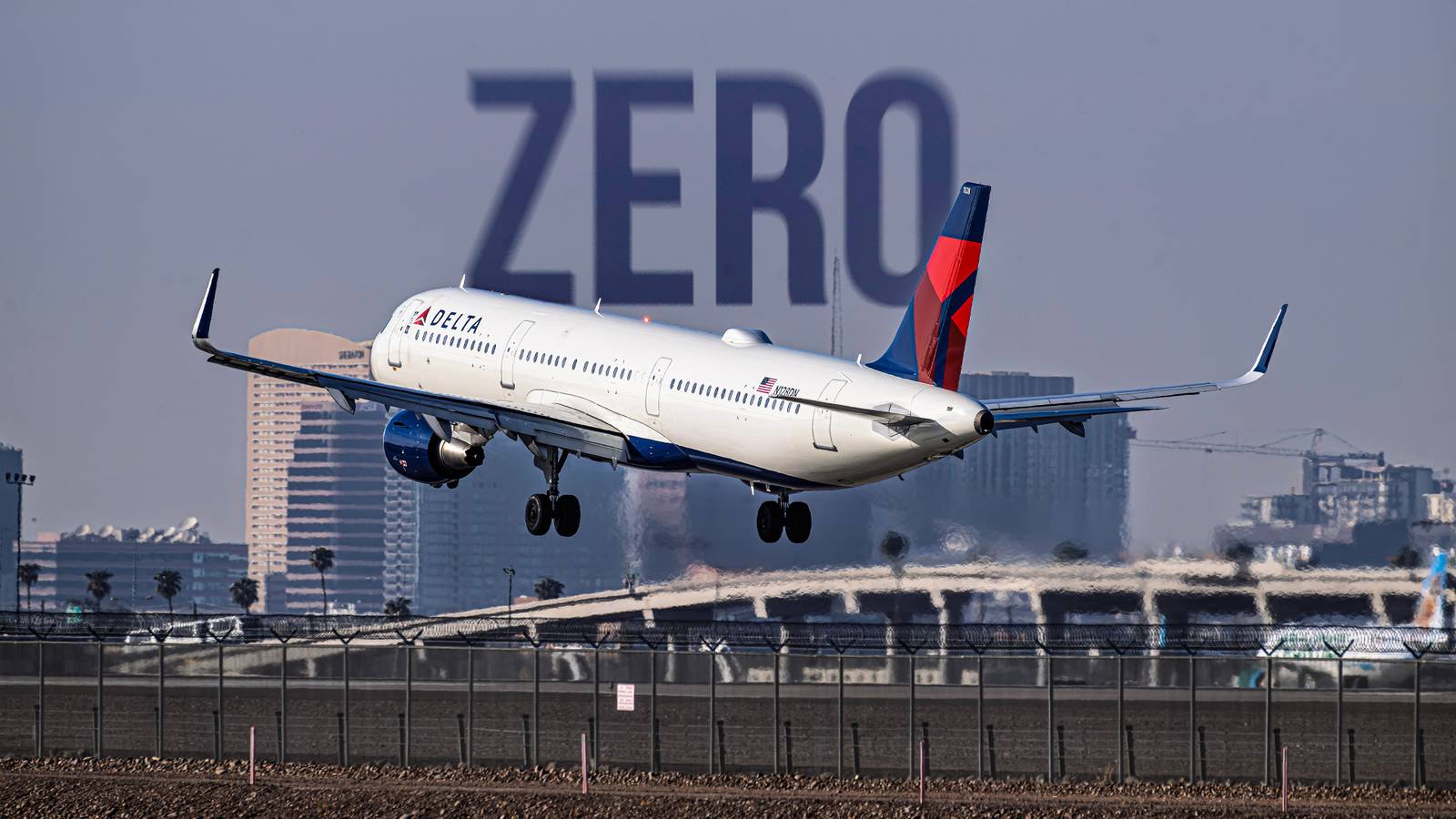
Delta Air Lines Just Became The 1st US Legacy Carrier To Zero Out Miles On Its Cheapest Fares
Full Article
Original Source
Read the full article at Simpleflying →KhanList aggregates and links to publicly available news content. We do not host full articles from third-party sources. Always verify important information with original sources.