
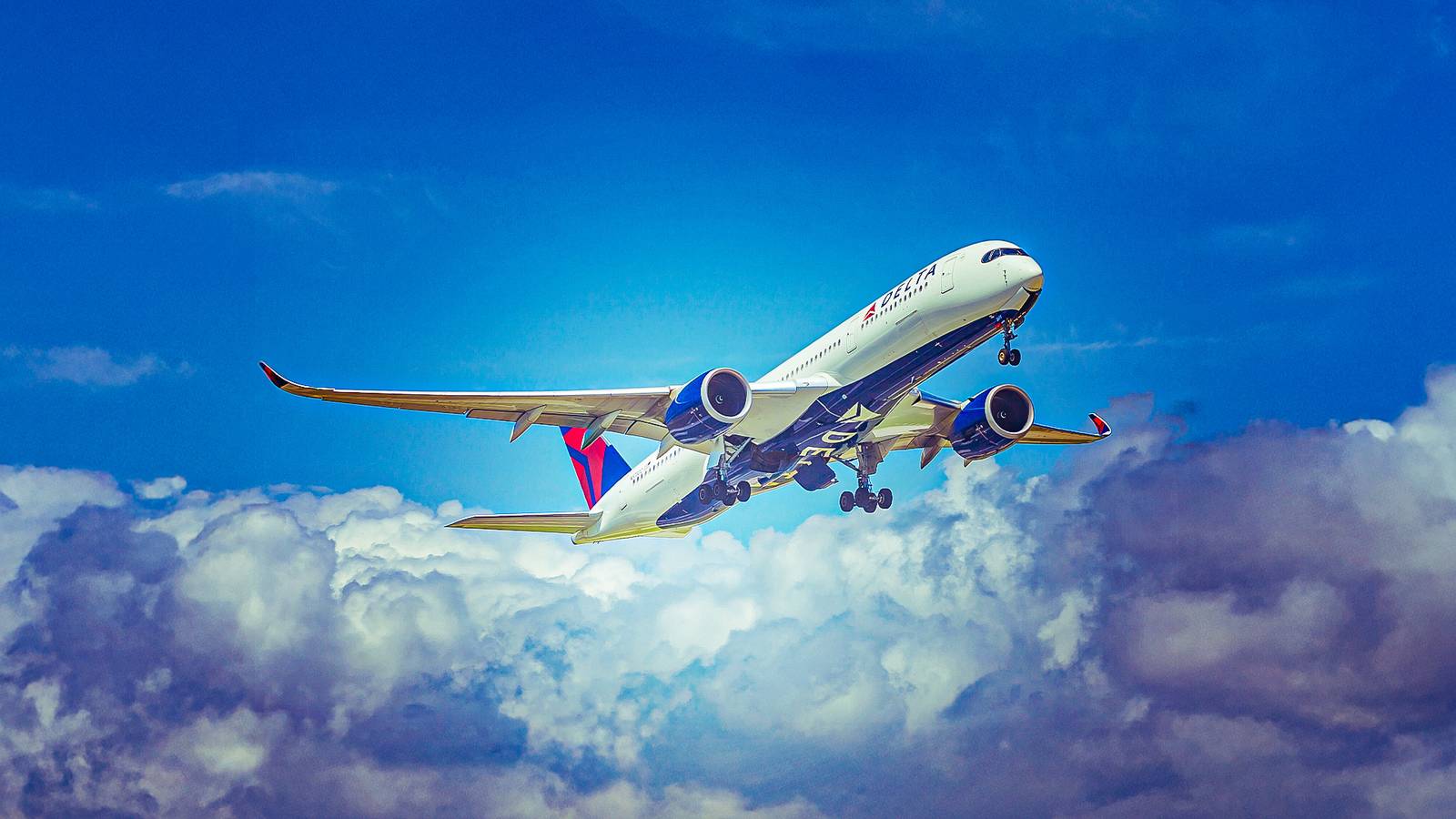
Published Sep 18, 2026, 5:59 AM EDT A graduate in German, Jake has a passion for history and regional aviation, and enjoys sampling new carriers and aircraft. He has visited OEM facilities as far and wide as Bristol, Toulouse, and Seattle, and recently enjoyed the milestone of flying his 150th sector as a passenger. Based in Norfolk, UK. As inflight WiFi becomes less of a novelty and more of an expectation for modern airline passengers, the speed and consistency of a given carrier's connectivity options can go a long way to informing passengers' choices on routes where multiple operators are available. As such, the latest development at Viasat will come as a welcome piece of news to passengers at carriers like Delta Air Lines. Indeed, yesterday marked the entry into service for Viasat's latest satellite as it looks to both grow its coverage and increase the speed and consistency with which it is delivered. With Delta using Viasat to provide its on-board WiFi at present, this should mean a speed boost for its flyers, particularly in the Americas and over the Pacific Ocean. Let's take a closer look at the wider significance of this big news. Viasat's Latest Satellite Is Now Operational Credit: Delta Air Lines Viasat confirmed in a statement released yesterday that its latest satellite, known as the VS3 F2, is now operational. It has, as the firm puts it, "entered service across the Americas, significantly expanding the company's network capacity, flexibility and resilience across the region." This particular satellite forms part of the wider VS3 constellation, a group of satellites that Viasat thinks very highly of. Indeed, Mark Dankberg, the firm's Chairperson and Chief Executive Officer, said that "VS3 satellites are the most advanced commercial satellites in the world in terms of adaptive beam forming." He added that the "technology sets new commercial standards for solar power generation and thermal dissipation, both critical technology challenges for developing economical data centers in space," and noted that: "With the VS3 constellation now fully operational, we have substantially expanded our ability to deliver high-quality connectivity where demand is growing fastest and introduced new forms of resilience for our government and commercial customers." What Does This Mean For Delta Air Lines & Its Passengers? Credit: Delta Air Lines As a user of Viasat technology when it comes to on-board WiFi, this milestone is big news for Delta Air Lines, with aviation expert Ben Bearup confirming on X that "Delta WiFi speeds (and several other airlines) should see a nice boost shortly." The new satellite primarily serves the Americas, but also extends westward across much of the Pacific Ocean. This is good news for those flying to Asia. Indeed, this is because, as Delta aircraft fly west on transpacific routes, they will consistently have coverage from the VS3 network: as they leave the F2 satellite's domain, they will be picked up by the VS3 F3 satellite that "[entered] service across Asia-Pacific in August." As such, flyers will be able to enjoy a faster and more consistent connection, which will be especially useful for those looking to work. It should be noted that the launch of the F2 satellite does not mean that Delta's WiFi will immediately be better. After all, Bearup notes that "I don’t know exactly when it will go live on Delta aircraft, but I would assume very soon." Either way, with reported expected upload speeds of 100 MB / second, it will certainly mark an exciting step forward when it comes online. However, Delta won't use Viasat for long. Delta's Future WiFi Choice Has Caused A Stir Credit: Delta Air Lines Indeed, as the carrier looks towards its next generation of inflight connectivity, it has chosen Amazon Leo "to deliver [the] next era of connected travel and digital experiences." This, the carrier says, will initially be installed on 500 of its aircraft from 2028, with Delta aiming to "work with Amazon to expand its popular Delta Sync Wi-Fi and seatback experiences." However, not all were delighted by the news. Most notably, SpaceX founder and outspoken entrepreneur Elon Musk took Delta's decision not to choose his Starlink WiFi as some sort of personal attack. He alleged that passengers are actively avoiding the carrier on account of its lack of Starlink Wifi (although this claim was based on just a handful of social media posts), adding that things will "get much worse" for Delta as flyers vote with their feet.
Delta Air Lines’ Inflight WiFi Speeds Expected To Be Boosted Thanks To Viasat’s New Satellite
Full Article
Original Source
Read the full article at Simpleflying →KhanList aggregates and links to publicly available news content. We do not host full articles from third-party sources. Always verify important information with original sources.