
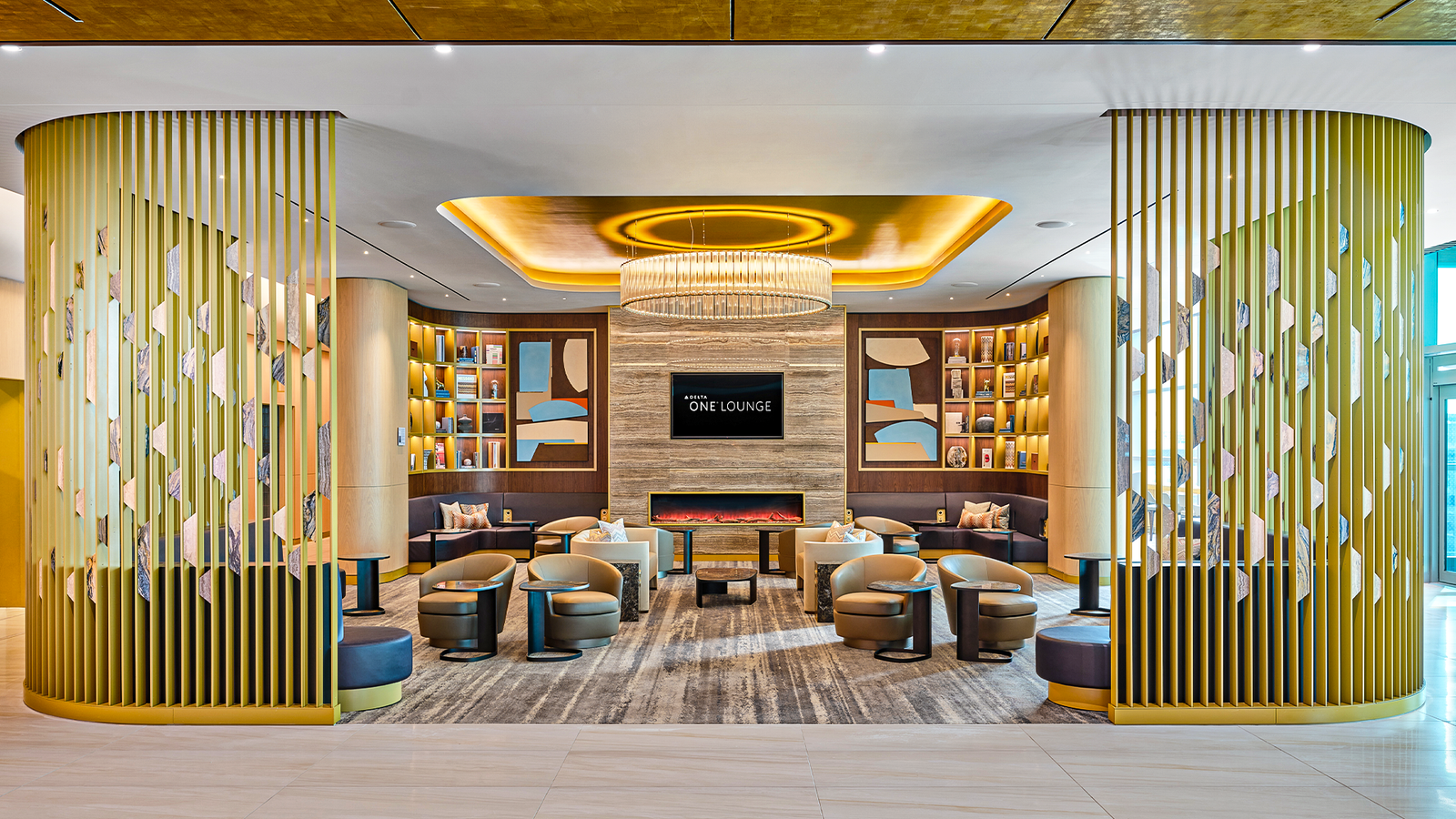
Delta Air Lines has introduced a cheaper way for passengers to experience its Delta One business class cabin, but the lower price comes with some significant compromises. Its new Basic Business fare retains the features that matter most to many premium travelers, such as the lie-flat seat, alongside premium dining and priority boarding. However, passengers choosing this entry-level ticket will receive fewer benefits before and after their flight, with restrictions covering seat selection, flight changes, frequent flyer earnings, and eventually lounge access. The most important change is scheduled for January 19, 2027, when Basic Business passengers will lose access to Delta One Lounges and dedicated Delta One check-in facilities. Until then, travelers can still enjoy these ground services, creating a temporary period in which the product offers more than its long-term structure promises. The development highlights how airlines are increasingly dividing business class into different price levels without necessarily changing the onboard experience. A Different Kind Of Business Class Ticket Credit: Robin Guess | Shutterstock Delta Air Lines introduced Basic Business in July 2026, with the fare becoming available for flights from September. The new option is designed to attract passengers who want a premium long-haul experience but are unwilling to pay the higher prices associated with traditional business class tickets. Rather than removing the lie-flat seat, Delta Air Lines has chosen to unbundle several benefits traditionally associated with its Delta One cabin. This means passengers still receive the central feature of business class, allowing them to recline into a fully flat sleeping position on applicable aircraft. Premium dining also remains included, meaning travelers do not have to sacrifice the main onboard comforts that distinguish Delta One from economy and premium economy. Zone 1 boarding is another benefit that remains available, giving Basic Business passengers priority when boarding begins. However, the lower fare is not simply a discounted version of the existing Delta One ticket. It introduces restrictions that affect the journey at several stages, particularly when passengers want greater control over their seats or need to change their travel arrangements. These differences matter because business class travelers often value flexibility just as much as comfort, especially when flying internationally for work. The distinction also gives Delta Air Lines another way to manage demand across its premium cabins. Some passengers may accept fewer benefits in exchange for a lower ticket price, while others will prefer paying extra for a more comprehensive experience. By introducing multiple fare levels within the same cabin, the SkyTeam carrier can appeal to both groups without redesigning its existing business class product. The Lie-Flat Seat Remains The Main Attraction The decision to retain the lie-flat seat is arguably the most important part of the Basic Business offering. For passengers traveling overnight or on long international routes, the ability to sleep horizontally can make a considerable difference to the journey. Removing this feature would have made the cheaper fare considerably less attractive, particularly when competing airlines continue to promote their premium cabins as places where passengers can rest comfortably. Basic Business travelers also retain access to Delta One's premium dining experience. This means the cheaper ticket does not automatically translate into a reduced meal service, with passengers continuing to receive the elevated onboard food and beverage experience associated with the cabin. For travelers who primarily judge business class by the quality of the seat, food, and sleeping arrangements, this could make the entry-level fare appealing. Zone 1 boarding is another important inclusion because it allows passengers to board ahead of most other travelers. This can be particularly useful on busy international departures, when finding overhead storage space and settling into a seat without unnecessary delays can improve the experience. Retaining this priority also means Basic Business passengers will not feel entirely separated from other Delta One travelers when entering the aircraft. The latest data from ch-aviation shows that Delta Air Lines currently operates a fleet of 1,005 aircraft, with a further 319 on order, including 20 Airbus A350-1000 and 30 Boeing 787-10 aircraft, as shown in the table below: Aircraft Number In Fleet Number On Order Delta One? Airbus A220-100 45 - No Airbus A220-300 47 - No Airbus A319 57 - No Airbus A320 40 - No Airbus A321 127 - No Airbus A321neo 106 83 Yes* Airbus A330-200 11 - Yes Airbus A330-300 31 - Yes Airbus A330-900 39 16 Yes Airbus A350-900 41 17 Yes Airbus A350-1000 - 20 TBC Boeing 717 74 - No Boeing 737-800 77 - No Boeing 737-900ER 163 - No Boeing 737 MAX 10 - 100 No Boeing 757-200 72 - Yes* Boeing 757-300 16 - No Boeing 767-300ER 37 - Yes Boeing 767-400ER 21 - Yes Boeing 787-10 - 30 TBC *Not all aircraft of this type feature Delta One Nevertheless, the similarities largely end with the onboard experience. Passengers choosing Classic or Extra fares retain additional benefits that are no longer included with Basic Business, making the differences between ticket categories more noticeable outside the aircraft. The product is therefore designed for travelers who prioritize the physical business class experience but are comfortable giving up some traditional premium conveniences. Seat Selection And Flexibility Become More Limited Credit: Santi Rodriguez | Shutterstock One of the clearest restrictions concerns seat assignments, which are only provided after check-in for Basic Business passengers. This is a meaningful difference from more expensive Delta One fares, where travelers generally have greater control over selecting their preferred seats before departure. Passengers who want a particular position in the cabin may find the arrangement inconvenient. Some markets may offer the opportunity to purchase advance seat selection separately, but this does not change the underlying structure of the fare. Travelers will need to consider whether paying extra for a specific seat makes the cheaper ticket worthwhile, particularly when comparing the final cost against the Classic option. For couples and colleagues, the uncertainty could be an important disadvantage. Basic Business also excludes same-day confirmed flight changes and standby options. These benefits can be valuable when business meetings finish earlier than expected, connecting arrangements change, or passengers want to take an earlier departure. Without these options, travelers have less flexibility to adjust their plans on the day of travel, even when alternative flights have available seats. Importantly, Delta Air Lines has confirmed that Medallion status does not restore these excluded same-day benefits. This is a significant departure from the expectations of frequent flyers accustomed to receiving additional flexibility through their loyalty status. Even passengers with an established relationship with the airline must accept the Basic Business restrictions, making the choice of fare particularly important for those whose schedules frequently change. The Lounge Access Deadline Is January 19, 2027 Credit: Delta Air Lines The most significant upcoming change involves access to Delta One Lounges and dedicated Delta One check-in facilities. Basic Business passengers currently retain these privileges, meaning travelers purchasing the entry-level fare can still enjoy the premium airport experience during the initial introduction period. However, this benefit will not continue indefinitely, with January 19, 2027, established as the cutoff date. From that date, passengers traveling on Basic Business tickets will no longer qualify for Delta One Lounge access through their fare. The dedicated Delta One check-in experience will also disappear from the package, creating a more noticeable difference between the entry-level ticket and higher-priced alternatives. The change effectively moves Basic Business further away from the traditional all-inclusive business class experience. The importance of this restriction becomes clearer when considering the role airport facilities play in premium travel. Delta One Lounges provide an environment where eligible passengers can relax, eat, and prepare for long-haul journeys away from busier public terminal areas. Dedicated check-in facilities also make the airport experience more convenient, particularly during busy departure periods. For passengers booking flights before the deadline, the timing of travel will matter considerably. A ticket purchased months in advance will not necessarily guarantee lounge access if the journey takes place after January 19, 2027. Travelers comparing Basic Business with Classic should pay particular attention to the departure date rather than assuming that the benefits currently available will remain attached to the fare. SkyMiles Earnings Also Take A Significant Reduction The financial differences between Delta Air Lines' business class fare categories extend to its SkyMiles loyalty program. Basic Business passengers earn just two SkyMiles per dollar spent, compared with five miles per dollar for Classic and seven miles per dollar for Extra. This creates a substantial difference in the rewards accumulated from otherwise similar journeys in the same premium cabin. For occasional travelers, the reduced earning rate may not be especially important, particularly if Basic Business delivers meaningful savings. However, frequent international travelers who regularly purchase business class tickets could accumulate considerably fewer miles over time. Those miles contribute toward future flights and other redemption opportunities, making the difference relevant to passengers who actively participate in the loyalty program. The reduced earning rate reinforces the idea that Basic Business is aimed at customers who primarily want the seat rather than the broader collection of premium benefits. Delta Air Lines is effectively placing a lower value on the loyalty contribution of passengers purchasing its cheapest business class product. This reflects the wider industry trend toward offering different rewards depending on how much customers spend. Passengers will therefore need to compare immediate ticket savings against the longer-term value of the miles they would otherwise earn. Someone booking an occasional holiday might find the difference relatively insignificant, while a regular corporate traveler could lose a meaningful amount of potential rewards. The more expensive fare categories may consequently offer better overall value for passengers who prioritize loyalty benefits. United Airlines & JetBlue Are Following A Similar Approach Credit: Bogaletzki Pressefoto | Shutterstock Delta Air Lines is not alone in experimenting with cheaper, unbundled business class products. United Airlines has introduced Polaris Base, while JetBlue has launched Mint Base, both offering lower-priced entry points into their respective premium cabins. These products reflect a broader industry shift toward separating the physical comfort of business class from additional services traditionally included in one comprehensive fare. However, the different airlines do not necessarily apply identical restrictions. United Airlines' Polaris Base, for example, continues to permit access to standard United Clubs, demonstrating that lounge eligibility can vary depending on the product and the airline's wider premium travel strategy. Passengers should therefore examine the precise conditions rather than assuming every basic business class ticket follows the same rules. For Delta Air Lines, the January 2027 lounge cutoff is particularly significant because lounge access remains available during the initial introduction period. This temporary arrangement could make Basic Business more attractive to travelers booking journeys before the deadline, although passengers should avoid treating the current benefits as permanent features of the fare. The eventual restrictions are an important part of understanding what the product actually offers. Ultimately, Basic Business gives Delta Air Lines another way to compete for customers who want a lie-flat seat without paying for every traditional business class benefit. Premium dining and Zone 1 boarding help preserve the appeal of the onboard experience, but reduced mileage earnings, restricted flexibility, and the removal of lounge access create clear differences. From January 19, 2027, the fare will become a considerably more stripped-back proposition, leaving passengers to decide whether the seat alone justifies the price.
Delta Air Lines' Basic Business Fare Keeps The Lie-Flat Seat, But Lounge Access Ends In 2027
Full Article
Original Source
Read the full article at Simpleflying →KhanList aggregates and links to publicly available news content. We do not host full articles from third-party sources. Always verify important information with original sources.