
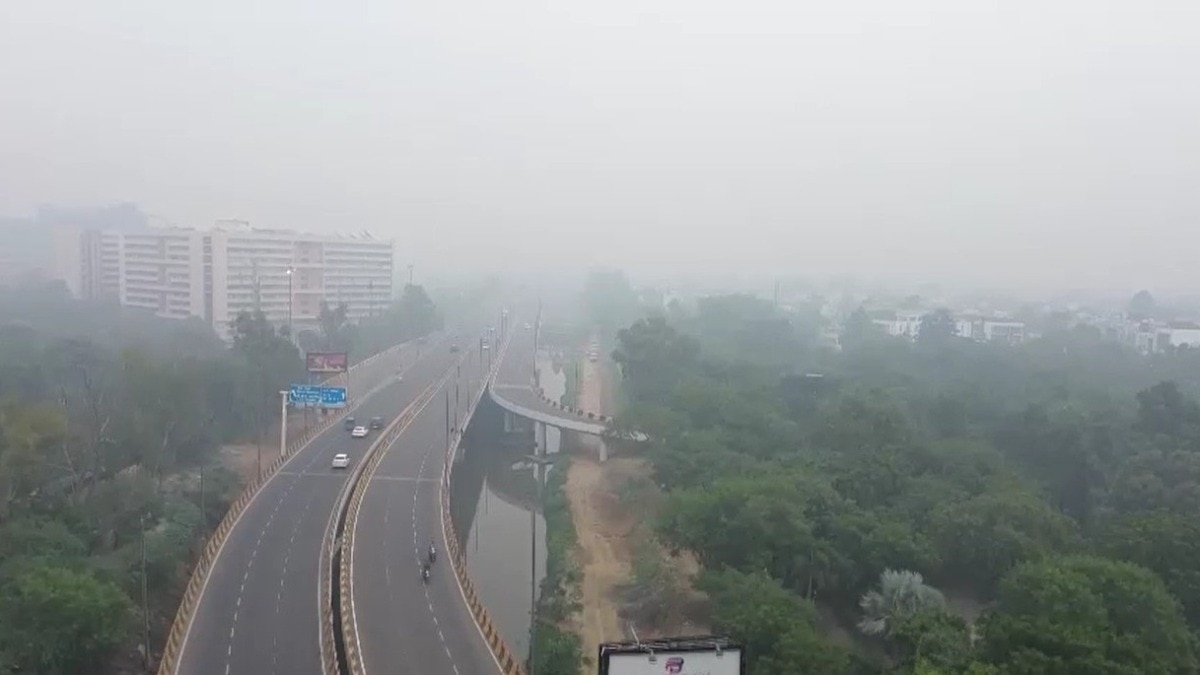
A LocalCircles survey found 37% of Delhi-NCR respondents plan to move out over air pollution. The findings reveal deepening concerns about severe illness and unaffordable future healthcare.A LocalCircles survey found 37% of Delhi-NCR respondents plan to move out over air pollution (Representative photo)New Delhi,Nov 20, 2026 16:45 ISTFor years, air pollution in Delhi-NCR has been associated with the onset of winter, bringing with it persistent coughs, breathing difficulties, burning eyes and throat irritation. However, the problem is no longer limited to a few weeks of poor air quality. Growing concerns about its long-term health consequences, rising medical expenses and the impact on everyday life are prompting residents to reconsider whether they can continue living in the region.A new survey by community social media platform LocalCircles, covering more than 83,000 validated citizens across Delhi, Gurugram, Noida, Faridabad and Ghaziabad, has highlighted the scale of the crisis. According to the findings, 37% of respondents are planning to move out of Delhi-NCR soon, while 94% are worried about their ability to afford future healthcare expenses.The findings point towards a growing public health and financial challenge, with air pollution increasingly influencing decisions about health, finances and where people choose to live.72% KNOW SOMEONE WITH A SEVERE POLLUTION-LINKED HEALTH CONDITIONThe impact of deteriorating air quality appears to be extending beyond temporary respiratory discomfort. In one part of the LocalCircles survey, 24,729 respondents were asked whether anyone in their close social network, including themselves, family members, friends, neighbours or colleagues, had developed serious health conditions linked to air pollution. These conditions included lung cancer, chronic obstructive pulmonary disease (COPD), asthma, heart failure, strokes and cognitive decline.The findings revealed that 72% of respondents knew at least one person affected by such conditions. While 32% reported knowing one affected individual, 17% knew two to three people, and another 17% knew four to six people. Six per cent said they knew more than 10 affected individuals. Only 17% said they did not know anyone in their close network who had experienced these health conditions.The findings come amid growing concerns among healthcare professionals about respiratory complaints and other health problems associated with prolonged exposure to polluted air. Hospitals have reported patients experiencing persistent coughs and breathing difficulties, including younger adults with no previously diagnosed respiratory conditions.The long-term implications are also concerning. According to the Air Quality Life Index, particulate pollution could reduce the average life expectancy of Delhi residents by 8.2 years compared with the World Health Organization's recommended air quality guidelines.DELHI-NCR RESIDENTS FACE ANOTHER WINTER OF POOR AIR QUALITYThe survey findings come against the backdrop of worsening air quality across the National Capital Region. Following Diwali, Delhi witnessed a significant deterioration in pollution levels, with the Air Quality Index (AQI) reaching 376 on November 8.Particulate matter, particularly PM2.5 and PM10, remains a major concern because these pollutants can penetrate deep into the respiratory system. PM2.5 particles are especially concerning because their small size allows them to reach the lungs and enter the bloodstream.The situation is further complicated by the fact that pollution sources extend beyond Delhi's geographical boundaries. Vehicular emissions, construction dust, industrial activities, waste burning and agricultural residue burning across neighbouring states all contribute to the region's air quality challenges.Meanwhile, the implementation of restrictions under the Graded Response Action Plan (GRAP) has continued to attract attention. Restrictions are introduced and withdrawn depending on pollution levels, but concerns remain about the effectiveness of short-term interventions when air quality fluctuates.For residents, this means continued uncertainty about outdoor activities, commuting, school attendance and the precautions required to protect their health.94% WORRIED ABOUT AFFORDING FUTURE MEDICAL EXPENSESAir pollution is not just affecting residents' health; it is also raising concerns about the financial burden of managing pollution-associated illnesses.Chronic respiratory conditions, cardiovascular diseases and other health complications can require prolonged medical attention, regular consultations, diagnostic tests and medication. Hospitalisation can further increase the financial burden, particularly for families without adequate health insurance.The LocalCircles survey examined these concerns among 24,560 respondents. When asked about their ability to afford future medical expenses for themselves and their families, 77% said they were very worried, while another 17% said they were somewhat worried.This means 94% of respondents expressed some level of concern about future healthcare expenses.The financial implications are particularly significant for families managing chronic conditions that require continuous treatment. Regular expenditure on inhalers, medicines, consultations and diagnostic investigations can add up over time.Children and older adults, as well as people with pre-existing respiratory and cardiovascular conditions, may also require additional medical attention during periods of poor air quality.The survey findings suggest that residents are increasingly concerned about the possibility of having to spend a significant portion of their savings on healthcare as pollution exposure continues.37% PLAN TO LEAVE DELHI-NCR OVER AIR POLLUTIONPerhaps one of the most striking findings of the survey is the growing number of residents considering relocation because of deteriorating air quality.Of the 34,160 respondents asked whether they intended to continue living in Delhi-NCR despite hazardous pollution levels, 37% said they planned to move out soon.Meanwhile, 58% said they needed to or would continue living in the region, potentially because of employment, businesses, family responsibilities and other commitments.The change is particularly notable when compared with an earlier LocalCircles survey conducted in December 2025. At the time, only 8% of respondents said they were likely to relocate because of pollution.The latest findings indicate a substantial increase in the proportion of residents considering leaving the region.While the survey does not establish how many people will eventually relocate, it highlights how air quality is becoming an increasingly important factor in decisions about residential locations and quality of life.WHY DELHI-NCR NEEDS A LONG-TERM POLLUTION CONTROL STRATEGYThe growing health and financial concerns highlighted by the survey underline the need to move beyond temporary pollution-control measures.Since air pollution in Delhi-NCR is influenced by multiple sources across state boundaries, addressing it requires coordinated action between Delhi and neighbouring states. Measures targeting vehicular emissions, industrial pollution, construction dust, waste burning and agricultural residue burning need to continue throughout the year rather than being intensified only during winter.There is also a need to strengthen public healthcare facilities to address the long-term consequences of exposure to polluted air. Accessible respiratory clinics, early screening programmes and better monitoring of pollution-associated illnesses could help identify health problems and ensure timely treatment.At the same time, residents need clearer information about the health risks associated with different pollution levels and the precautions they can take to reduce exposure.The LocalCircles survey offers a glimpse into how deeply air pollution is influencing everyday life in Delhi-NCR. With residents reporting health concerns, worrying about medical expenses and increasingly considering relocation, the crisis is no longer just about the quality of the air people breathe. It is also about their health, financial security and confidence in the region's future.- Ends
Delhi-NCR pollution pushes 37% of residents to consider moving out: Survey
Full Article
Original Source
Read the full article at Indiatoday →KhanList aggregates and links to publicly available news content. We do not host full articles from third-party sources. Always verify important information with original sources.