
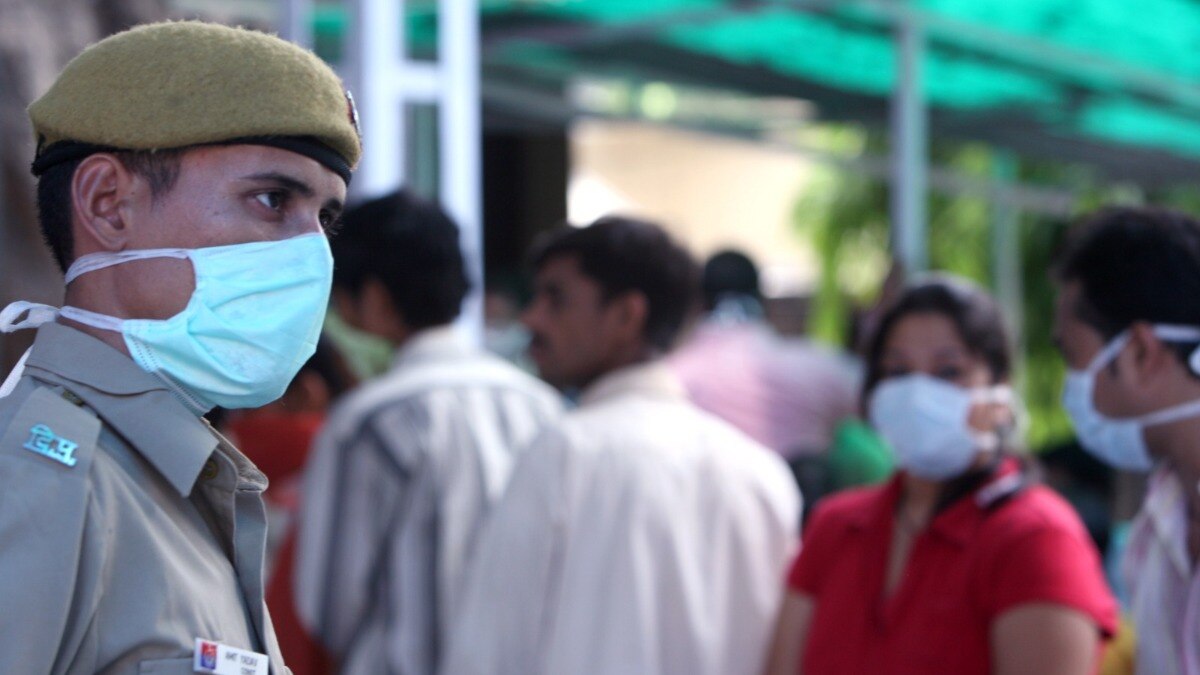
Delhi has recorded 166 new H1N1 cases in the last 24 hours, taking the total number of cases beyond 2,600. Amid the rise, Health Minister Dr Pankaj Singh visited Indira Gandhi Hospital to review its preparedness.Delhi has reported more than 2,600 H1N1 cases so far, with 166 new cases recorded in the last 24 hours. The rise in cases has prompted the Delhi government to review hospitals' preparedness and assess arrangements for dealing with influenza.The increase in H1N1 cases comes amid a rise in respiratory illnesses being reported in the city. Health authorities are keeping a close watch on the situation, and hospitals are being assessed to ensure that they are prepared to manage patients if the number of cases increases further.HEALTH MINISTER REVIEWS HOSPITAL PREPAREDNESSAmid the rising number of H1N1 cases, Delhi Health Minister Dr Pankaj Singh visited Indira Gandhi Hospital to inspect.During his visit, the minister took stock of the hospital's preparedness and reviewed the arrangements in place to deal with influenza and respiratory illness cases. The inspection was focused on assessing the readiness of the hospital and ensuring that the necessary arrangements are in place to manage patients. The visit comes as the city continues to record fresh H1N1 cases.The government is also monitoring the situation across Delhi and reviewing the preparedness of healthcare facilities amid the increase in cases.‘NO NEED TO PANIC’, SAYS DR PANKAJ SINGH Speaking about the rising H1N1 cases, Dr Pankaj Singh said there was no need for panic in the current situation.According to the health minister, the situation does not warrant panic, but people should remain cautious and take necessary precautions. His message comes as Delhi crosses the 2,600 mark in H1N1 cases.The minister urged people to remain alert and follow basic precautions rather than becoming unnecessarily worried about the rising number of cases.WHAT IS H1N1?H1N1 is a type of influenza virus that can cause flu and respiratory illness. The infection can spread from one person to another, particularly when an infected person coughs or sneezes.Common symptoms of influenza can include fever, cough, sore throat, body ache, headache, tiredness and weakness. In some cases, people may also develop breathing difficulties or other complications.The severity of illness can vary from person to person. While many people recover from influenza, some patients may require medical attention, particularly if their symptoms become severe.BASIC PRECAUTIONS CAN HELPAs H1N1 cases continue to be reported, people can take simple precautions to reduce the risk of infection. Maintaining hand hygiene, covering the mouth and nose while coughing or sneezing and avoiding close contact with unwell people are some basic measures.People who develop flu-like symptoms should also take precautions to avoid spreading the infection to others. Those with worsening symptoms should seek medical advice.DELHI CONTINUES TO MONITOR CASESWith 166 new H1N1 cases reported in the last 24 hours, Delhi has crossed the 2,600 mark. The government is monitoring the situation and reviewing hospital preparedness as part of its response to the increase.The visit by Health Minister Dr Pankaj Singh to Indira Gandhi Hospital was aimed at taking stock of the arrangements and preparedness at the facility.While the number of cases has increased, the health minister has said that there is no need for panic. The focus, he said, should remain on caution and following necessary precautions as authorities continue to monitor the situation in Delhi.- EndsPublished By: Smarica PantPublished On: Aug 27, 2026 14:23 IST
Delhi H1N1 cases cross 2,600 as 166 new cases reported in 24 hours
Full Article
Original Source
Read the full article at Indiatoday →KhanList aggregates and links to publicly available news content. We do not host full articles from third-party sources. Always verify important information with original sources.