
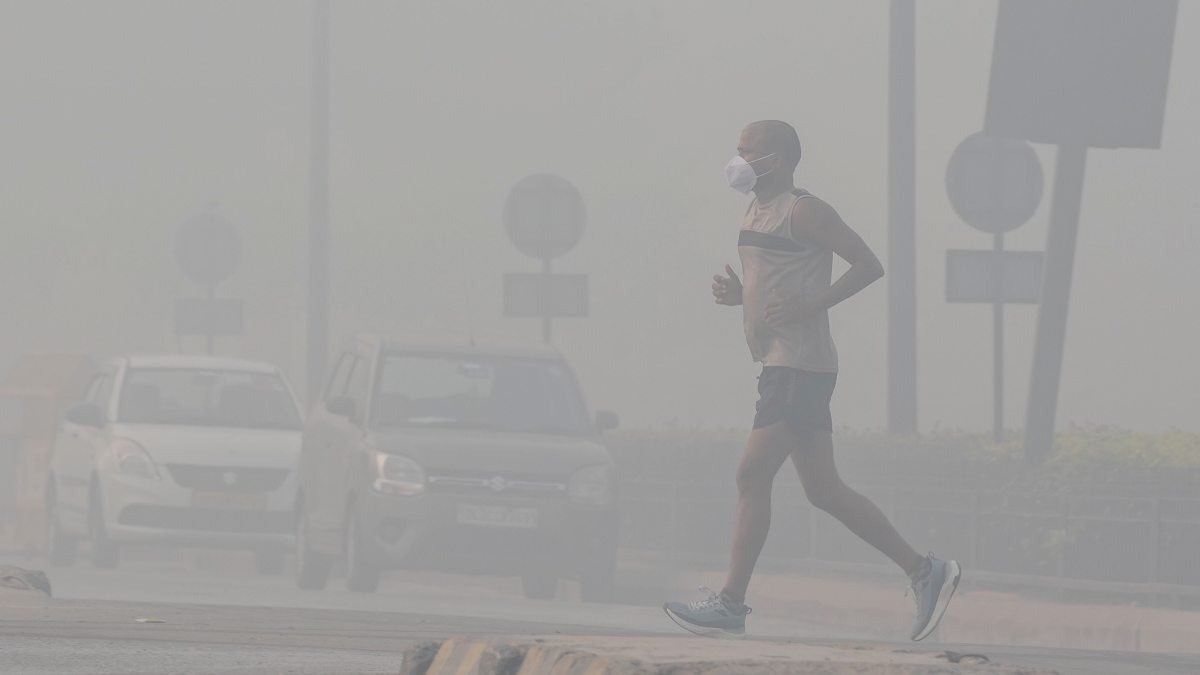
Delhi's air pollution crisis has taken a dangerous turn after Diwali, with pollution levels soaring to some of their worst readings in years. The toxic air – Diwali night saw a peak air quality index of 1331 with the US air quality platform putting the number at 1757 – is now a medical emergency that could prove fatal for the most vulnerable, veteran pulmonologist Dr Randeep Guleria has warned, cautioning that hospitals could see a significant surge in patients with respiratory complications over the coming days.With AQI touching alarming levels during the pre-Diwali period, in what was reportedly the city's worst pre-festival pollution spell in 8–10 years, the situation deteriorated further after Diwali.While firecracker emissions added to an already toxic mix, the city's residents were exposed to hazardous air even before the celebrations began."When AQI reaches such high levels that it's not even being recorded, it means that it's in the very severe range. It's a medical emergency, and it can be life-threatening for people who have underlying chronic respiratory and heart problems," Dr Guleria said in an interview with India Today Digital. The former AIIMS, Delhi director expects respiratory-related OPD and emergency visits to rise by 20–30% in the days following such a sharp deterioration in air quality. He said the effects are already becoming visible, with patients reporting breathing difficulties and requiring additional medication and medical support.HOSPITALS BRACE FOR SURGEThe impact of extreme pollution is not restricted to people with pre-existing illnesses. Even otherwise healthy individuals can experience chest tightness, coughing and breathing difficulties after exposure to highly polluted air. But the consequences can be much more serious for people with asthma, chronic obstructive pulmonary disease (COPD) and underlying heart conditions. Their symptoms can worsen sharply, oxygen saturation can fall, and some may require hospitalisation or intensive care."We have seen in previous years also that there has been a huge increase in the number of people coming with breathing difficulties. Many of them get admitted to the ICU, to the ward, and some of them require ventilatory support also," he said.Dr Guleria said the increase in hospital visits does not happen overnight. There is generally a four-to-six-day lag between a sharp deterioration in air quality and a surge in patients seeking medical attention.He said he was flooded with messages from patients complaining of breathing difficulties. Some have had to switch to nebulisation, others have needed short courses of steroids, while patients dependent on oxygen have had to increase their oxygen requirements.The elderly, young children and people with chronic respiratory or cardiac conditions face the greatest danger. For these vulnerable groups, exposure to such severely polluted air can be life-threatening, the veteran pulmonologist said.DAMAGE BEYOND LUNGSThe immediate respiratory complications are only one part of the problem. Dr Guleria warned that repeated exposure to polluted air can damage several organ systems, with consequences that extend well beyond the winter months.Long-term exposure has been associated with a higher risk of lung cancer and cardiovascular disease. Air pollution has also been linked to heart attacks at younger ages, raising concerns about its impact on people who may otherwise consider themselves healthy.Emerging research is also pointing towards associations between prolonged exposure to polluted air and neurological problems, including dementia.The concern, therefore, is not simply about people struggling to breathe during a particularly bad spell of smog. Millions of residents are repeatedly exposed to toxic air every winter, adding to their cumulative health risks.Dr Guleria underlined the recurring pattern as particularly worrying: pollution worsens every winter, hospitals see a rise in patients, and the issue gradually disappears from public attention once the weather changes. Little changes on the ground, and the crisis returns the following year.NEED FOR LASTING ACTIONDr Guleria believes Delhi needs a concrete, long-term pollution-control strategy with measurable targets and fixed timelines, rather than temporary interventions whenever AQI levels become alarming.He called for scientists, medical experts, city planners, bureaucrats and government agencies to work together on practical solutions to reduce emissions.Vehicular pollution, construction activity and the burning of crops and wood for heating need to be addressed. He also advocated better public transport, carpooling, cycling infrastructure and encouraging people to walk wherever possible.Citing examples of Beijing and London, which managed to tackle severe pollution episodes, he says Delhi too can find sustainable solutions if there is coordinated action and political commitment.But currently, said Dr Guleria, residents should minimise outdoor exposure and children and the elderly should avoid going out, particularly for early-morning walks.“Those who must step outside should wear N95 masks, while exercise should be shifted indoors to spaces with better air quality,” Dr Guleria cautioned.People with existing respiratory conditions should continue their prescribed medication and consult doctors if they experience worsening symptoms, chest tightness or breathing difficulty. Indoor pollution sources, including incense and dhoop, should also be avoided, he advised.For those with significant respiratory or cardiac illnesses who can afford it, temporarily moving to less polluted parts of the country during winter could help. But Dr Guleria stressed that this cannot be a long-term solution or an option available to everyone.- Ends
Delhi air a medical emergency, warns Dr Randeep Guleria; vulnerable at risk of death
Full Article
Original Source
Read the full article at Indiatoday →KhanList aggregates and links to publicly available news content. We do not host full articles from third-party sources. Always verify important information with original sources.