
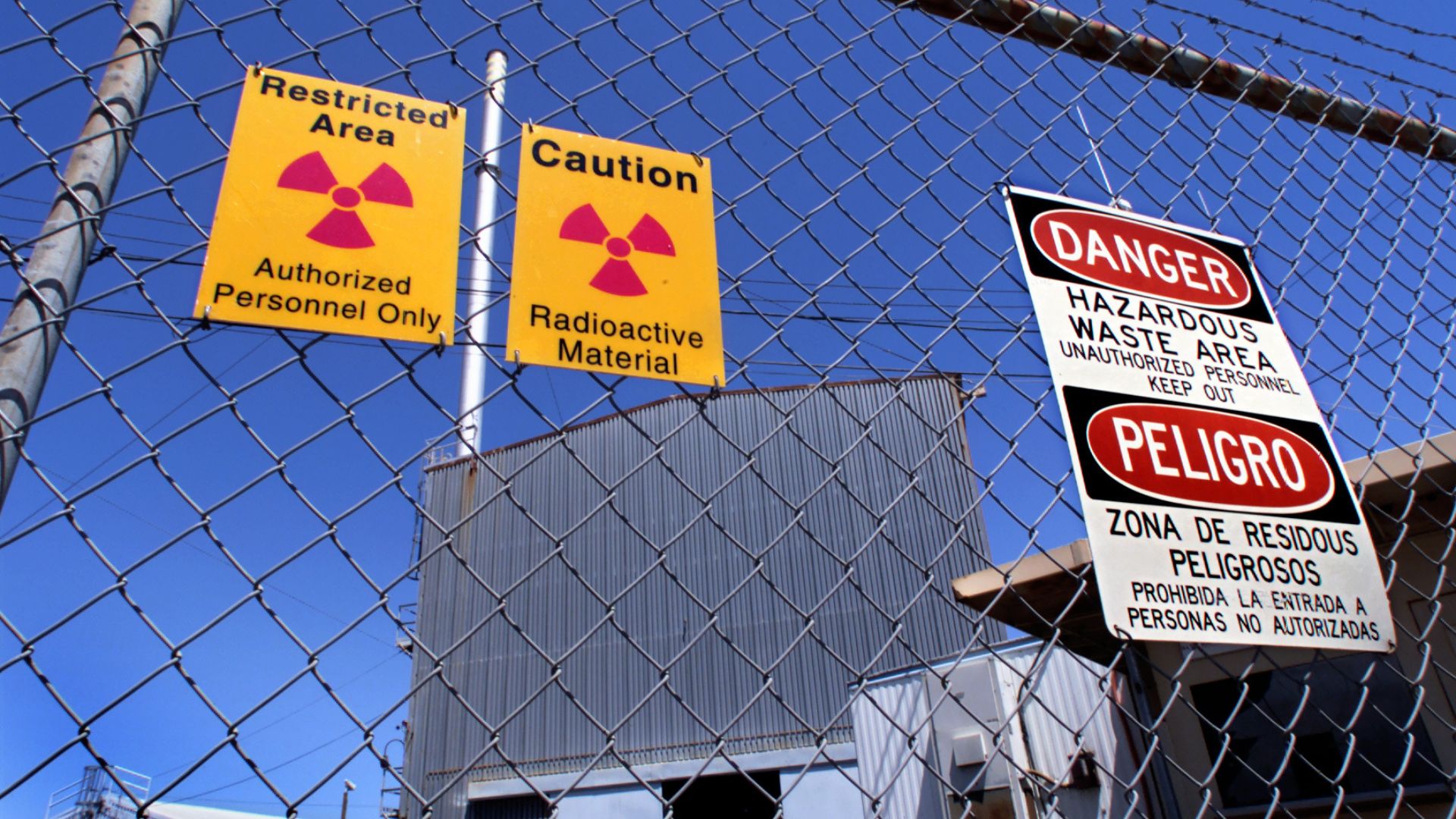
A new study has found that people living closer to the Santa Susana Field Laboratory (SSFL) in Ventura County, California, reported higher rates of autoimmune, endocrine, and metabolic disorders. The findings expand earlier research that mainly examined cancer among residents within 5 miles (8 kilometers) of the site. The SSFL operated for nearly six decades as a nuclear reactor and rocket testing site. There were several accidents, including a partial nuclear meltdown in 1959. Radioactive and chemical waste from the facility contaminated the nearby soil and groundwater. The site was named a Superfund site in 1989. Since then, researchers have studied its possible effects on nearby residents. The latest study, published in Risk Analysis, surveyed residents up to 15 miles (24 kilometers) from SSFL and looked at chronic illnesses other than cancer. A wider look at health effects A team led by Jenna Blyler from the University of California’s Wrigley Institute for Environment and Sustainability surveyed 475 people living within 15 miles (24 km) of SSFL. The researchers wanted to find out whether health effects went beyond the diseases studied before and whether living closer to the site was linked to illness. They also looked at how residents understood environmental risks and if those views affected what precautions they took. The survey population was relatively affluent. About 56 percent of participants reported annual household incomes of $100,000 or more. More than one-third said they had received at least one diagnosis since moving into their current home. Illness rates rise closer to SSFL The biggest differences appeared among residents living within 5 miles (8 km) of the facility. About 18 percent reported an autoimmune diagnosis, compared with 4 percent among people living 11 to 15 miles (18 to 24 km) away. A similar pattern appeared for metabolic and endocrine disorders. Around 15 percent of residents within 5 miles reported one of these diagnoses, while the figure fell to 2 percent among those living 11 to 15 miles away. The researchers warned that these results do not prove SSFL contamination caused the illnesses. Participants reported their own diagnoses, and researchers did not check them against medical records. The survey also did not track how often each condition occurred or recurred. However, more research is needed to confirm the findings. Residents respond to environmental risks The study also found unexpected patterns in how residents responded to contamination concerns. People who felt more threatened by the pollution were more likely to say they had taken precautions. Residents who thought protective measures were more expensive also said they took precautions more often. How far they lived from SSFL did not seem to affect their behavior, but having personal experience with illness did. The findings could become more important as climate change increases conditions that can help spread contaminants. Previous research has linked drought and wildfires with greater movement of pollution from the SSFL area. Blyler’s next study will examine how perceived distance from environmental hazards affects protective actions at both individual and community levels. “It may be that people in wealthier and more influential communities have the resources, access, or preference to advocate for protection at a broader level of society, rather than acting only to protect themselves individually,” she added. Get the latest in engineering, tech, space & science - delivered daily to your inbox.A versatile writer, Sujita has worked with Mashable Middle East and News Daily 24. When she isn't writing, you can find her glued to the latest web series and movies.
Defunct California nuclear site’s meltdown could be linked to higher illness rates: Study
Full Article
Original Source
Read the full article at Interestingengineering →KhanList aggregates and links to publicly available news content. We do not host full articles from third-party sources. Always verify important information with original sources.