
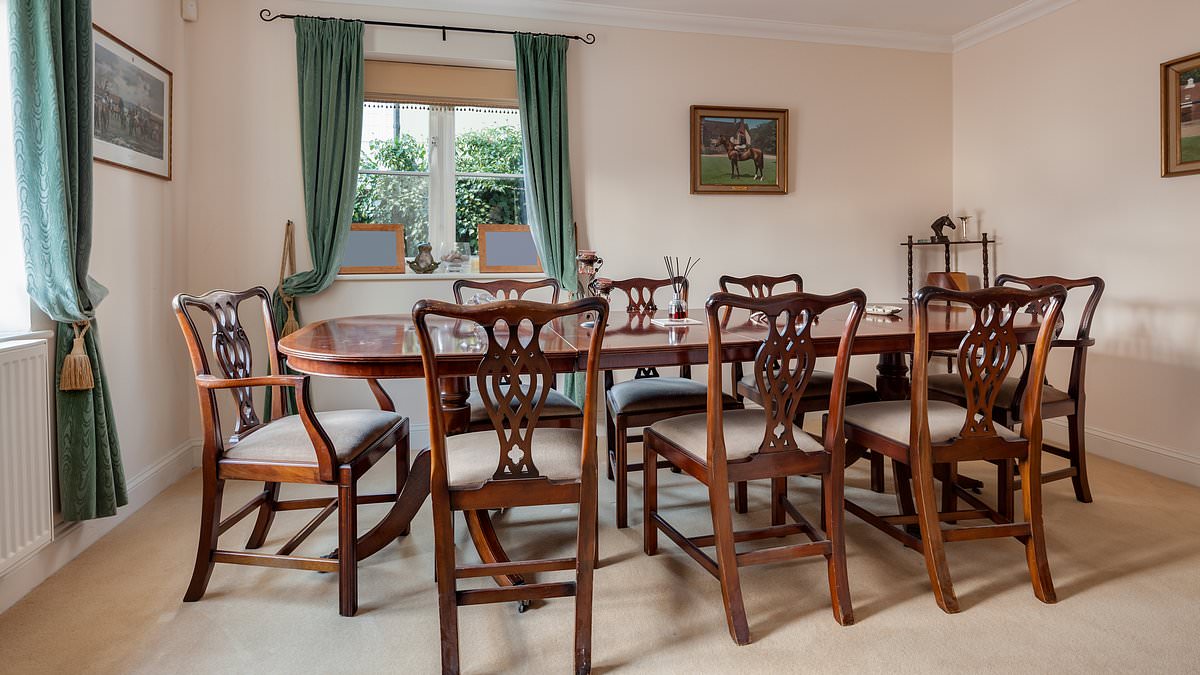
See more This is Money on Google - save us as a Preferred Source Updated: 11:04 EDT, 2 September 2026 Sitting down for a family dinner at the table was once a core part of British life. But changing times mean that is not always the case. More of us now live alone, families have different working hours and schedules, and some simply prefer to eat in front of the television or at the kitchen table after a hard day. It means dining rooms across the country are left gathering dust, and new research reveals almost one in four Britons are choosing to get rid of theirs altogether.According to a Censuswide survey carried out by insurer Aviva, 23 per cent have repurposed the room for another use.Knocking a dining room through to create a larger, open-plan living space is a popular option, while other homeowners might opt to use it as an office or gym. It comes as stretched household budgets and the soaring cost of moving encourage more families to stay put and renovate rather than buying a new home. Stamp duty is often cited as a factor which puts people off moving house, especially in more expensive parts of the country. Andy Burnham is now facing calls to reform the tax in the upcoming Budget. Traditional: Dining rooms such as this were once a common sight across the country - but perhaps not for much longer as one in four Britons now use theirs for something elseA home mover purchasing a £450,000 property would pay £12,500, while someone buying an £800,000 home would pay £30,000. Bills are even bigger for landlords and second home buyers and someone buying an £800,000 holiday home would pay £70,000. The dining room was the third most likely room in the house to be repurposed, according to Aviva, following a bedroom (52 per cent) and a spare or box room (38 per cent). London homeowners were most willing to wave goodbye to the formal dining room, with 28 per cent converting it for another use. Those in Wales (16 per cent) and the East Midlands (17 per cent) were the most likely to use it for its original purpose. Nearly a quarter (23 per cent) of homeowners who spent money on improvements in the last year say their project went over budget, while almost one in five (18 per cent) didn't set a budget in the first place. Detached property owners who have renovated their home have spent an average of £63,169 on home improvements or DIY projects in the past year alone. This is followed by bungalow owners who spent £12,097 on average, more than twice as much as semi-detached and terraced property owners, who spent an average of £5,710 and £5,558 respectively. Carolyn Scott, head of home and lifestyle at Aviva, said: 'It’s interesting to see how many of us are repurposing and rethinking how we use our homes, with our research showing that dining rooms are falling out of favour. 'Renovations can be a great way to use existing space yet costs can be unpredictable, particularly on larger projects or in older properties, where underlying issues may not be visible at the outset.' Renovating your home: Aviva's expert tips Do your research: Although it’s helpful to get recommendations, always research the tradespeople you are considering using to make sure they have the correct accreditations for the job at hand. For example, always use a Gas Safe engineer for gas work and a Part P 'Competent Person' for electrics. Ask to see a public liability insurance certificate, and keep copies, check references of recent work, and agree everything in a written contract, such as scope of works, dates, waste clearance and staged payments.Check the legalities: In some cases, you may need a party wall agreement, which you'll need to share with your neighbours before work can commence. Be sure to check which legal requirements may apply to your project before work begins, such as planning permission or building regulations. Budget for the unexpected: Set a realistic contingency, and keep a running record of what you spend, so you stay on top of the project and your home’s true value. Inform your insurer: Structural changes like loft conversions or extra bedrooms can increase your rebuilding cost, and it’s essential that you let your insurer know before work starts, as your cover may be affected. Your buildings sum insured may need to be reviewed once work is complete.Check your contents cover keeps pace: Particularly after buying new furniture, appliances or high-value items. In some cases, renovations could lead to residents purchasing new items to fit the newly redesigned space. Check for single item limits: Bear in mind that insurance policies may have single item limits for valuable belongings. Any individual item worth more than this - such as jewellery or watches - should be specified on your policy to be covered for its full value. If you've purchased new valuables as part of your home improvement project, it’s worth reviewing your cover to ensure it remains adequate. Keep your bedroom count accurate: If you change how a room is used, such as turning a bedroom into a home office, study or playroom, it may still be considered a bedroom for insurance purposes if it was originally built or designed as one. Changes to room usage can affect how your property is assessed, so make sure your insurer has an accurate record of your home's layout and bedroom count to help ensure you have the appropriate level of cover. Tell your insurer how many people live with you: There are many reasons why several generations may be under one roof, and it is important to inform your home insurance provider of any changes in the number of people living at your address. More people can mean more possessions, and possibly a higher chance of accidental damage which is why it’s important to review your policies and make sure you have the appropriate level of cover. SAVE MONEY, MAKE MONEYUp to £250 cashbackUp to £250 cashback2.5% cashback when investing at least £2004.61% cash Isa4.61% cash IsaTrading 212: 1.01% fixed 12-month bonus£3,000 cashback£3,000 cashback£100-£3,000 cashback when opening SippUp to £150 cashbackUp to £150 cashbackOpen a savings account with at least £5,000Welcome bonusWelcome bonusGet up to £200 when you invest £100Affiliate links: If you take out a product This is Money may earn a commission. These deals are chosen by our editorial team, as we think they are worth highlighting. This does not affect our editorial independence. Terms and conditions apply on all offers.
Death of the dining room? As fewer families sit down for dinner, one in four Britons use theirs for something else
Full Article
Original Source
Read the full article at Dailymail →KhanList aggregates and links to publicly available news content. We do not host full articles from third-party sources. Always verify important information with original sources.