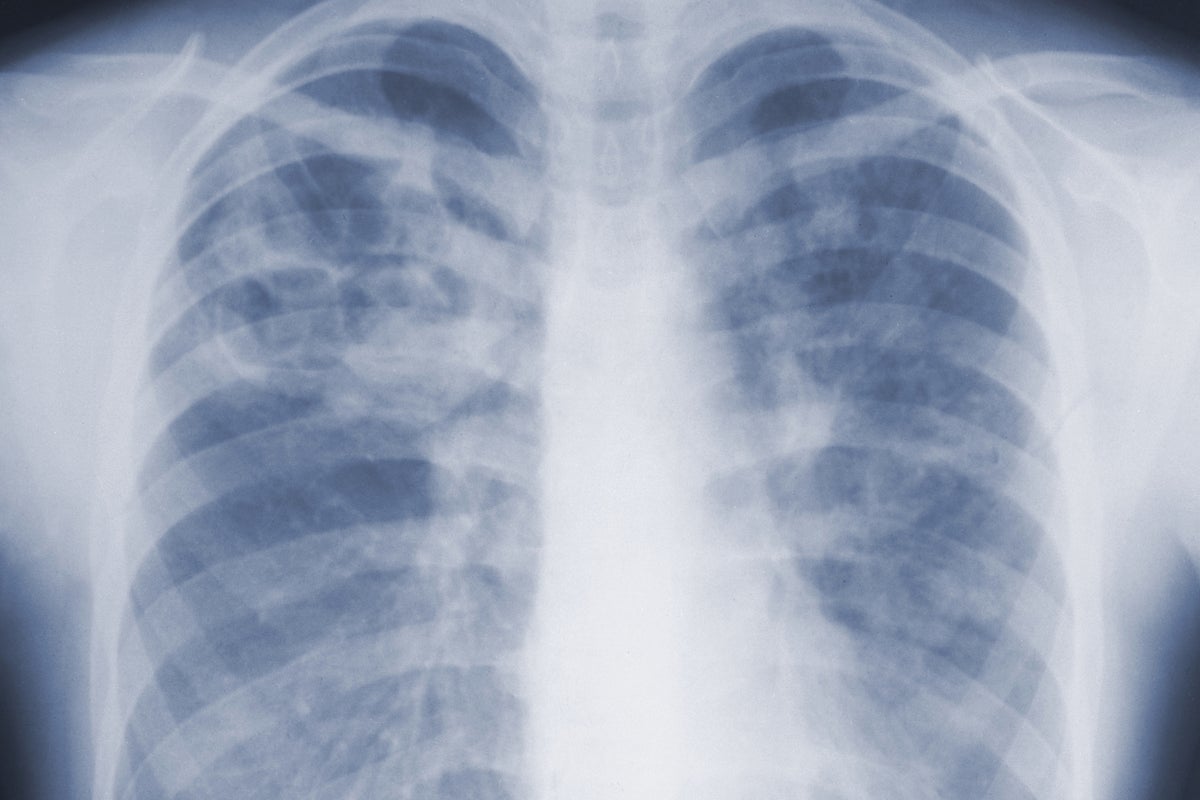
A little-known but often deadly mold infection may be far more common than previously believed, with new U.S. research showing that about one in three hospitalized patients diagnosed with the illness did not survive.The study, published by the Centers for Disease Control and Prevention, identified about 450 cases of invasive mold disease across hospitals in the Atlanta area between 2020 and 2024. Roughly one-third of those patients died while in the hospital.Researchers say the findings offer one of the clearest pictures yet of a disease that is not required to be reported to public health officials, making it difficult to track nationwide."It's kind of the first time we've had an estimate like this," said Dr. Jeremy Gold, the study's senior author at the CDC.This 1967 chest X-ray photo provided by the U.S. Centers for Disease Control and Prevention shows pulmonary aspergillosis caused by a fungal organism of the genus Aspergillus (CDC)Gold warned the threat could grow in the coming years because of climate change and an aging population.Experts say hurricanes, flooding and other extreme weather events can increase exposure to dangerous mold, while older adults and people with weakened immune systems are especially vulnerable to serious infections."I agree that the frequency of fungal infections will likely increase with climate change," said Dr. Jeffrey Jenks, an infectious disease specialist at Duke University who was not involved in the research.Invasive mold disease is caused by certain types of mold that can enter the body through inhaled spores, open wounds or contaminated medical equipment. While most healthy people are unaffected, the infection can become life-threatening for cancer patients, transplant recipients, older adults and others with weakened immune systems.Mold grows on the walls of a home in the Gentilly area of New Orleans Tuesday, June 12, 2007, damaged by the floodwaters from Hurricane Katrina (Copyright 2026 The Associated Press. All rights reserved.)The CDC has previously estimated that invasive mold disease is linked to more than 15,000 hospitalizations in the United States each year.To better understand how often the infections occur, researchers reviewed nearly 1,000 possible cases from four Atlanta-area hospitals and outpatient clinics and confirmed that about 450 met the criteria for invasive mold disease.The study found hospitals could expect about three to five cases each year for every 100 inpatient beds, with larger academic medical centers seeing the highest rates because they often care for the sickest patients.Many of the patients had weakened immune systems or were recovering from COVID-19.Researchers said the study did not determine where patients were exposed to the mold but believe the findings could help hospitals recognize whether their case numbers are typical or could signal a larger problem.Jenks called the research "valuable" but said similar studies in other parts of the country will be needed to better understand the national impact.
Deadly mold infections may be far more common than doctors realized, CDC study finds
Full Article
Original Source
Read the full article at Independent →KhanList aggregates and links to publicly available news content. We do not host full articles from third-party sources. Always verify important information with original sources.