
The Delhi Development Authority (DDA) has approved the Master Plan for Delhi-2047 (MPD-2047), laying down a stepping stone for long-term transformation and development of the national capital.The DDA meeting was chaired by Lieutenant Governor Sardar Taranjit Singh Sandhu where the plan got initial approval. It will now be sent to the Ministry of Housing and Urban Affairs for final approval and notification. The proposed plan arrives at a time when the national capital saw a storm of agitated protesting youth during July.The MPD-2047 focuses on Delhi’s overall development, with provisions covering housing, transport, infrastructure, economic activity, environmental concerns, heritage conservation and urban regeneration.The following are the points of approval covered by the proposed plan and the authority’s final call on them. FOCUS ON DELHI’S ECONOMIC GROWTHMPD-2047 aims to link economic growth with better infrastructure, transport and mobility. The plan proposes boosting economic growth by developing new growth centres and improving connectivity to emerging areas of the city.Binitha Dalal, Founder & Managing Partner at Mt. K Kapital said, "The plan’s emphasis on new growth centres and improved connectivity could change the prospects of less-connected areas such as Alipur, Kanjhawala and the Mundka belt. Better road and public transport links can bring these locations closer to employment and economic centres and make them more viable for organised residential and commercial development." She mentioned that the opportunity will develop them as complete urban centres, with employment, social infrastructure and services, rather than simply as extensions of the existing city.INCREASED HOUSINGGiven that the population of Delhi is projected to grow sharply by 2047, MPD-2047 seeks to meet rising housing needs while also unlocking the potential of areas that are already developed.The DDA has separately cleared a policy for the rebuilding and redevelopment of older two-storey housing units constructed on individual plots. This will cover schemes such as Naraina Vihar, along with other similar DDA housing colonies across the city.Many these properties date back to MPD-1962 and have been in use for over five decades. Under the suggested policy, property owners will be able to rebuild or redevelop their homes, provided that the projects meet the prescribed norms for FAR, ground coverage, building height, fire safety and structural safety.MORE CONVENIENCE IN PUBLIC TRANSPORTATIONThe DDA has approved a land-use change for a 19.63-hectare metro depot in Narela, prioritizing mobility in the Master Plan for Delhi-2047.This initiative thereby supports the new Rithala-Kundli metro corridor, which is designed to link residential areas such as North West Delhi, Rohini, Narela and adjoining areas of Haryana and Uttar Pradesh, with influential economic hubs.Mohit Goel, Managing Director at Omaxe Ltd said, "The implications will extend beyond Delhi’s boundaries as well. As the capital faces increasing pressure on land and infrastructure, well-connected markets such as Faridabad, Noida and Greater Noida will have a larger role in accommodating future residential and economic growth. Better road, metro and regional connectivity is already making these markets increasingly integrated with Delhi, and this integration will become an important driver of real estate demand."EASIER CONSTRUCTION APPROVALSIn a massive win for city builders, the authority has approved changes to the Unified Building Bye-Laws (UBBL)-2016. It aims to cut down on compliance burdens and eliminate unnecessary paperwork for construction projects.Under the new rules, builders will no longer need to chase down early No-Objection Certificates (NOCs) to secure a basic building permit from a laundry list of government bodies, including the Delhi Pollution Control Committee, Chief Inspector of Factories, Delhi Jal Board, and the Forest Department.By bypassing these initial bureaucratic hurdles, the DDA aims to clear out major procedural delays and fast-track project approvals across the capital.A GREENER AND CLEANER DELHIAmong other focus areas, environmental sustainability stands at the heart of the proposed master plan. The DDA cleared a land-use conversion at Pocket-C, IFC, Gazipur. The plot will shift from a commercial Freight Complex to a Utility zone to make way for an advanced Waste-to-Energy (WtE) plant.According to the DDA, this strategic facility is specifically designed to reduce city pollution, boost waste management, and anchor a cleaner, greener capital.To balance the industrial footprint, the authority simultaneously repurposed 752.51 square metres of nearby land at Pocket-B, IFC, Gazipur. Shifting from public and semi-public utility to a recreational classification, the Authority wishes to create the space as a compensatory neighbourhood park.ROOTED IN HISTORYThe DDA gave the green light to a land-use switch for 1.97 acres in Roshanpura to make room for the new national headquarters of the Veterinary Council of India.Right in the heart of the city, the DDA also cleared a major expansion project for Bharatiya Vidya Bhavan on Copernicus Lane. Spanning across three prime plots of about 8,494 square metres, this land-use update paves the way for a brand-new higher education and research wing dedicated entirely to preserving and growing Indian traditional knowledge systems.This means that urban development under the proposed plan is carefully balancing modernisation with heritage preservation and cultural infrastructure.REDEVELOPING UNUSED LANDIn a high-impact move for central Delhi, the authority has cleared the conversion of a prime 24,400 square metre plot right next to Sarojini Nagar. Previously locked under "Transportation (Rail Circulation)" use, this massive land parcel has been rezoned for residential use, opening up key real estate for urban housing development.Moreover, the DDA has approved the formal denotification of the Mangolpuri Industrial Area (Phase I) and the Keshopur Industrial Area."Greenfield opportunities can offer scale, while redevelopment can provide access to established locations with existing demand and infrastructure," said Dalal.By removing these zones from its development area list, the authority has transferred local control to streamline municipal functions. This will ensure better day-to-day civic maintenance, road repairs, and public services for local businesses and residents.WHAT DOES IT MEAN FOR DELHIITESIt is important to note that the MPD-2047 IS not yet the final, legally active blueprint for the capital. The proposal cleared by the DDA will now head to the Ministry of Housing and Urban Affairs for final scrutiny, approval, and subsequent official notification.The plan has been developed after extensive brainstorming sessions under major bodies such as the Delhi Government, MCD, NDMC, and the DMRC."This is a significant shift from development being viewed primarily through individual projects to creating larger urban destinations where housing, commerce, social infrastructure and mobility work together," said Goel. More importantly, the ultimate goal of MPD-2047 is to serve as the master framework for the 2047 Viksit Delhi target.(Disclaimer: The views, opinions, recommendations, and suggestions expressed by experts/brokerages in this article are their own and do not reflect the views of the India Today Group. It is advisable to consult a qualified broker or financial advisor before making any actual investment or trading choices.)- EndsPublished By: Radhika VermaPublished On: Aug 14, 2026 14:17 IST
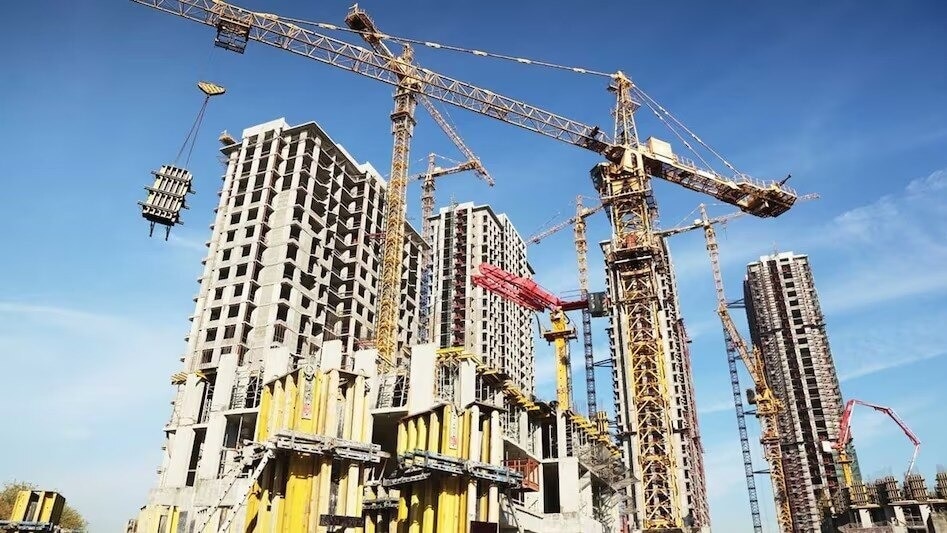
DDA clears Delhi Master Plan 2047 with focus on housing, metro and green push
Full Article
Original Source
Read the full article at Indiatoday →KhanList aggregates and links to publicly available news content. We do not host full articles from third-party sources. Always verify important information with original sources.