
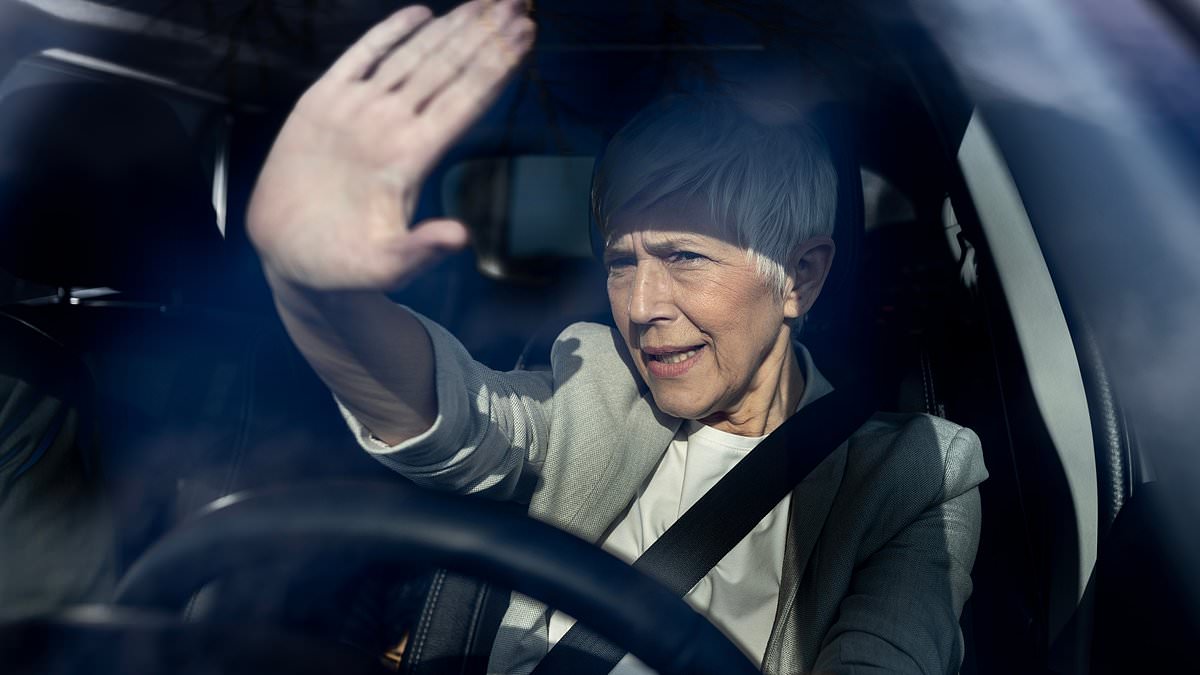
Updated: 19:01 EDT, 22 October 2026 As the clocks go back this weekend, a huge chunk of drivers fear the dazzling effect of other vehicles' headlights, research claims.It causes so much concern that one in four motorists affected by glare plan on reducing or even giving up driving when the time adjustment happens.Four in five drivers say they are concerned about the impact glare will have on their driving as darkness falls in the late afternoon, research by the RAC has found.And three-quarters of those affected by glare think the problem is getting progressively worse.This is because the vehicle headlights designed to show drivers the road ahead are leaving many others struggling to spot hazards, signs and road markings, as well as making it harder to judge the position, speed and distance of oncoming vehicles, the RAC's research has uncovered.Last year, an independent study on headlight glare commissioned by the Government confirmed that some brighter modern headlights are more likely to cause glare to drivers. Three quarters of drivers struggling to see due to headlight glare say the problem is getting worse Among drivers who get dazzled, half say overly bright headlights make it harder to spot other road hazards, while a similar proportion (49 per cent) struggle to see road signs and markings.Nearly half (47 per cent) find it difficult to judge the position of oncoming vehicles and four in ten (43 per cent) can’t easily judge other vehicles’ speed and distance.Worryingly, a third say they get temporarily blinded by oncoming bright headlights and one in seven dazzled drivers admit they've narrowly avoided a collision.Similarly, nearly two in three say they find it difficult to see the indicator lights of some oncoming vehicles because headlights are so strong.Dazzling headlights are changing driving behaviourConcern about headlight dazzle is causing some people to change their driving behaviour altogether.Of those affected by glare, a fifth (21 per cent) say they plan to drive less once the clocks go back as a direct result of being dazzled, while 3 per cent plan to stop driving at night altogether.For those who've given up driving at night or curtailed their driving at night, the impact on their lives is stark.Three in ten (28 per cent) say they see friends less as a result and 20 per cent see family less, while a fifth (21 per cent) report feeling much more isolated.But 6 per cent have cancelled medical appointments because of the difficulties they face driving in the dark, while the same proportion have postponed them.Drivers want actionDrivers want action to be taken to reduce glare caused by existing vehicles already on the roads, as well as by future models.Three-quarters of 1,208 drivers surveyed by the RAC think future research should examine both existing and future vehicles, while only 14 per cent think it should look solely at vehicles not yet for sale.Following on from last year's independent study on headlight glare, further UK research is expected to get underway shortly after a commitment made in January’s Road Safety Strategy, and work continues at an international level where regulations for future vehicles are agreed upon.Rod Dennis, senior policy officer at RAC, said: 'The shorter days are here, which means millions of drivers will once again have to contend with the unwelcome effects of headlight dazzle.'While nothing can stop the nights drawing in at this time of year, drivers continue to feel strongly that more can and should be being done to reduce the dazzle they experience.'We welcomed the Government’s commitment to carry out further research into the problem, but drivers will only be satisfied when they know meaningful changes are coming that will tackle the problems they experience.' Seven ways to limit the impact of glare - and prevent dazzling others 1. Slow down at nightIf the glare from an oncoming vehicle at night is so bad that you temporarily can't see anything, you should slow down to reduce the risk of the impact on your impaired visibility.However, avoid slowing or stopping abruptly as you don't want a car that is travelling behind you running into the back of you. 2. Don't look directly at oncoming headlightsTo prevent yourself from being dazzled, never look directly at the headlights of other cars.Look to the left-hand side of the road and follow the white line marking the edge if there is one, so you can keep track of your position, the RAC recommends. 3. Make sure your windscreen is clear Windscreens are particularly susceptible to steaming up on the inside, especially in cold weather, while car heaters can blow dirty air at the glass, causing a hazy film to build up on the inside. This can increase glare from oncoming headlamps, so ensure yours is clean and clear.4. Adjust your rear-view mirror Drivers at night should dip the rear-view mirror to reduce the risk of being dazzled by motorists following them.Many new motors in showrooms today have an auto-dimming rear-view mirror function. If your car doesn't then you should be dipping the mirror manually.5. Consider anti-glare glassesIf being dazzled by other drivers' headlights or street lighting is an issue, motorists should consider anti-glare glasses when driving at night.These are not simply glasses with yellow tints, which can help reduce glare by also make darker areas of the road less visible and are therefore not recommended.Specsavers has a product called SuperDrive lenses for varifocal wearers, while all of its glasses can be fitted with a clear 'SuperClean Smart' treatment, which is specially designed to help reduce reflections and dazzle caused by oncoming headlights and street lighting — helping you have a safer journey. Motorists suffering from glare at night should consult with their optician. 6. Use low beams where possible to safeguard other driversUse your low-beam headlights instead of high beams when driving in well-lit areas or when approaching other vehicles as high beams can significantly increase glare.7. Regularly adjust your headlightsEnsure that your headlights are correctly aimed, especially if you are often travelling with heavy loads, which can impact the height of your lights beam. Misaligned headlights not only contribute to blinding other drivers but will also reduce your own visibility.
Dazzling headlights forcing one in four drivers off the road after clock change
Full Article
Original Source
Read the full article at Dailymail →KhanList aggregates and links to publicly available news content. We do not host full articles from third-party sources. Always verify important information with original sources.