Your desire to draft running backs will come down to how you feel about the wide receiver position and how badly you want to lean into NFL trends. Wide receivers have become top-heavy in Fantasy, meaning there are very few who are viewed as high-target, high-volume, high-touchdown-capable players. There are significantly more running backs than wide receivers that profile favorably for Fantasy. But until NFL defenses stop focusing on limiting big plays through the air, offenses will run the ball. A lot. It's why drafting running backs is back in style in Fantasy. We've seen a steady decline league-wide in pass attempts, from 34.4 per game per team in 2021 to 32.1 last season. Efficiency has remained stagnant, which means passing totals aren't improving at all. In this case, decreased attempts mean decreased raw passing totals. More importantly, there's also been a decrease in wide receiver targets, from 12.4 per game per team in 2021 to 11 in 2025. And on top of that, teams are spreading their targets around more than they have in a while. You can read a little more about that in the WR Strategies. Meanwhile, RB rush attempts have remained steady between 21.6 and 21.8 per game per team in each of the past five years. In 2021, there were only 15 running backs that averaged 15-plus touches per game -- that number has been at least 20 in each of the past four seasons. Offenses have embraced the run in part because defenses aren't as worried about giving up a five-yard run as they are a 20-yard pass play. The result of all of this is an uptick in Fantasy points for running backs. And with some outstanding talent joining the league over the past three seasons, including six of the first 10 running backs that will get picked in your drafts, we're looking at a glorious time for the position. Drafters are being afforded some intriguing options as it comes to drafting RBs. 1. Get two studs early, potentially with each of your first two picks. 2. Get one stud early with the idea of pairing him with the best wide receiver you can draft and begin your roster-build balanced. 3. Purposely wait until Round 3 to start hogging RBs, knowing that there will still be some appealing rushers left after you take a pair of top-tier pass-catchers first. There are plusses and minuses to each of these ideas, but the one concept you won't see suggested is Zero-RB. That should be out the window this year, and that's because the headaches you might have with running backs taken after Round 6 are easy to avoid, especially since the receivers in that range and through the middle/late rounds offer more appeal. Plan on targeting running backs early on in drafts. How early is up to you. What to look for in a running backWhen considering a running back, don't just think about legs; think about entire bodies. You should target: A RB with do-it-all skills who will get 15-plus touches (not carries) per gameA RB who will regularly get touches near the goal lineA RB who can catch and will play in passing situationsA RB without a disastrous offensive lineA RB on a team that won't be behind every weekA RB who you believe can give you 17-plus PPR/13-plus half-PPR/11-plus non-PPR points per gameDraft Idea: Get two studs earlyPros: The top running backs have been outscoring the top wide receivers since those league-wide macro trends began, and they figure to continue into 2026, thus boosting RB opportunities. Two top-tier RBs on the same team means two high-output players every week. And it's not just great consistency we look for from Round 1 picks, but also players who are capable of game-breaking weeks (30-plus PPR points). Last year, 39 running backs had games of 30-plus PPR points compared to 25 for wide receivers. There really isn't a better draft strategy than this in half- and non-PPR leagues, and it can offer good benefits in full-PPR leagues also. Cons: Running backs haven't had a slew of injuries over the past two years but it doesn't mean the position is immune to them. They're still a fragile position. Additionally, if you take two RBs, then you're probably not going to get any of the top-two-tier wide receivers nor either of the elite-tier tight ends. That shouldn't be a dealbreaker; the moderate quality depth at both WR and TE will bleed well into Round 6 if not a little later. Draft Idea: Get one stud early a/k/a Hero RBPros: This allows maximum draft flexibility and roster balance. You could dip into the wide receiver pool multiple times in the early/middle rounds while still taking one fresh rushing stud within your first two or three picks. This is also the best approach if you're chasing an elite tight end; you should be able to flag down one of them plus a good receiver and a good running back all within your first three selections. It's a good plan for full-PPR leagues, especially if you can start four receivers or more (flex spot included). Cons: Your second running back won't be among the top-tier options, which isn't a terrible thing unless you wait too long to pick another. Some choose to purposely make their RB2 spot their weakest lineup position, figuring they'll find multiple chances both in the draft and off waivers in-season to cultivate a decent second running back. Your interest level in doing the work involved with that may vary. Also, there's the obvious: you're tied to one running back as an anchor for your team all year, and if he stinks or misses time, your lineup will suffer. Draft Idea: Purposely wait until Round 3 for RBs, then hammer themPros: You're still drafting some quality, start-worthy running backs, just not with the same profile as those in the top-two tiers. Certainly some values can emerge and you may wind up with a back or two who outperform ADP. The bonus for 2026 that 2025 didn't really have: There are plen-tee of exciting talents, including multiple rookies and second-year backs. It's a better talent pool than last season. And naturally, if you're not taking RBs in Rounds 1-2, then your lineup should have some epic pass-catchers. It's not a bad way to go in leagues where catches count. Cons: It's not exactly a bad move to clog your roster with RBs in the early/middle rounds, but you will pass up some genuinely exciting pass-catchers, not to mention at quarterback. And generally, the running backs from the third and fourth tiers have more bust potential than boom, but the biggest likelihood is that those RBs will be good but not great. Rushers from 2025 ADP taken between 25th and 60th overall include James Cook (awesome!), Alvin Kamara (brutal), Kenneth Walker III (mostly bad until the NFL playoffs), Omarion Hampton (injuries), James Conner (yuck), TreVeyon Henderson (mostly disappointing), Chuba Hubbard (he had his moments), Breece Hall (he had his moments), D'Andre Swift (not bad at all), R.J. Harvey (not great), Aaron Jones (*sad trombone*), Tony Pollard (he had a couple of moments) and David Montgomery (ouchie). I do think this year's talent pool at RB is way better than last year's. Draft Idea: Wait until Round 4 for RBs a/k/a Zero RBPros: You should find some very good players at other positions and potentially dominate the rest of your opponents with a big four-pack of receivers and a tight end. That's clutch in PPR. And it's not like you won't have any running backs; you just have to exhibit some patience and discipline in taking the ones that have mild starter appeal (and maybe a little upside too). Cons: You'll have the worst RB group in your league unless you uncover some savory surprises both in the draft and off waivers during the season. If you don't find those surprise RBs and one or more of your first four picks disappoint, then you're probably missing the playoffs. Ask anyone who started last year with CeeDee Lamb, Brian Thomas Jr., Mike Evans and Marvin Harrison Jr. It's also a lot of work and is definitely not for the casual Fantasy Football manager that checks on the team once or twice a week. This strategy is a death sentence in non-PPR leagues. How to determine the best RB draft plan?The main factor: Drafting running backs will come down to how many you believe are actually good enough to start for you week in and week out. The smaller that number is, the more likely you'll gravitate toward running backs early on Draft Day. The larger the number, the more likely you'll wait at least a little bit to draft RBs. The second main factor: How many wide receivers you like (and don't like) The position that will drive most draft strategies this year will be wide receiver, and if you're one of the many that fear missing out on a stud wideout, then you'll probably gravitate to that position first, then running back. But maybe you actually will love the depth at wide receiver -- if so, then it'll be running backs you'll choose for your team firstly. Is firstly a word? It is now. League size shouldn't matter: It used to, but now if everyone's chasing running backs and you're not, your lineup will potentially suffer regardless of how many opponents you have. Maybe not so much in an eight-team league; that's probably the least shallow format you could wait to take running backs in. I would especially prioritize at least one RB in a league with 14 or more teams. League scoring definitely matters: Full- and half-PPR formats give an obvious edge to wide receivers, devaluing the running back position. But in non-PPR or standard leagues, running backs dominate. Lineup requirements definitely matter: The more RBs you have to start, the more likely you'll chase them in the draft. Normal leagues start two running backs; if you start fewer, you will probably never chase the position early, and if you have to start more, then you'll come off the bus drafting RBs. Don't confuse flex spots with RB spots -- in any PPR format, flex spots are much easier filled with pass-catchers unless you somehow pull a third really good running back. The RB strategy I'm rolling into drafts withI like the depth at the running back position this year, but not enough to use it as an excuse to ignore the top-tier guys. That's why I'll definitely pick at least one running back with one of my first two picks, and more than likely two running backs with my first five picks and three with my first six or seven. That should be right in line with the overarching strategy of "best available player" for all of my picks. Value matters. However, I remain dedicated to drafting a lot of running backs overall. I don't see a need for depth at wide receiver beyond one or two guys, and the same goes for quarterback. I can find players at those positions off waivers if need be. I'd much rather hoard running backs on my bench to begin the season, see what they're capable of doing, then make moves accordingly based on the upside of each RB. Bye weeks don't start until Week 5, so I can take up to a month to gauge how my bench running backs are doing. I recommend you do the same. How to prioritize RBs in Round 8 and beyond?If I'm going to preach taking a lot of running backs in Round 8-plus, I better show you what I'm looking for. Because once you reach 90th overall, any player you draft who outperforms ADP will help you on your championship run. In Round 8 and later you will find: RBs classified as "1B" backs, guys who can give you SOME Fantasy points while they're in timeshares -- but can pay off if they become the lead "1A" backRBs with ridiculous upside based on their offenses and their skill-sets, but they're real-life backupsRBs with low-upside who might begin the season as a starter, but could lose the job quicklyeveryone elseHere's how I rank these types of running backs you'll find later on, based on Fantasy Pros PPR ADP as of late July, sorted by the first three categories above: Low upside starters"1B" RBsHandcuff RBsJacory Croskey-MerrittJonathon BrooksTyrone TracyJK DobbinsR.J. HarveyJordan JamesJordan MasonRachaad WhiteJonah ColemanKyle MonangaiIsiah PachecoKenny GainwellKimani VidalBlake CorumBrian Robinson JrAaron JonesRay DavisChris RodriguezMarShawn LloydZach CharbonnetJames ConnerWoody MarksDemond ClaiborneAlvin KamaraTank BigsbyTyler AllgeierBraelon AllenDylan SampsonMike Washington Jr.Keaton MitchellSean TuckerEmmett JohnsonTyjae SpearsGeorge HolaniWhat if I have more questions? You can always reach out on X (@daverichard), or drop the Fantasy Football Today Podcast a line (fantasyfootball@cbsi.com). Our rankings are updated daily and can always be found here.
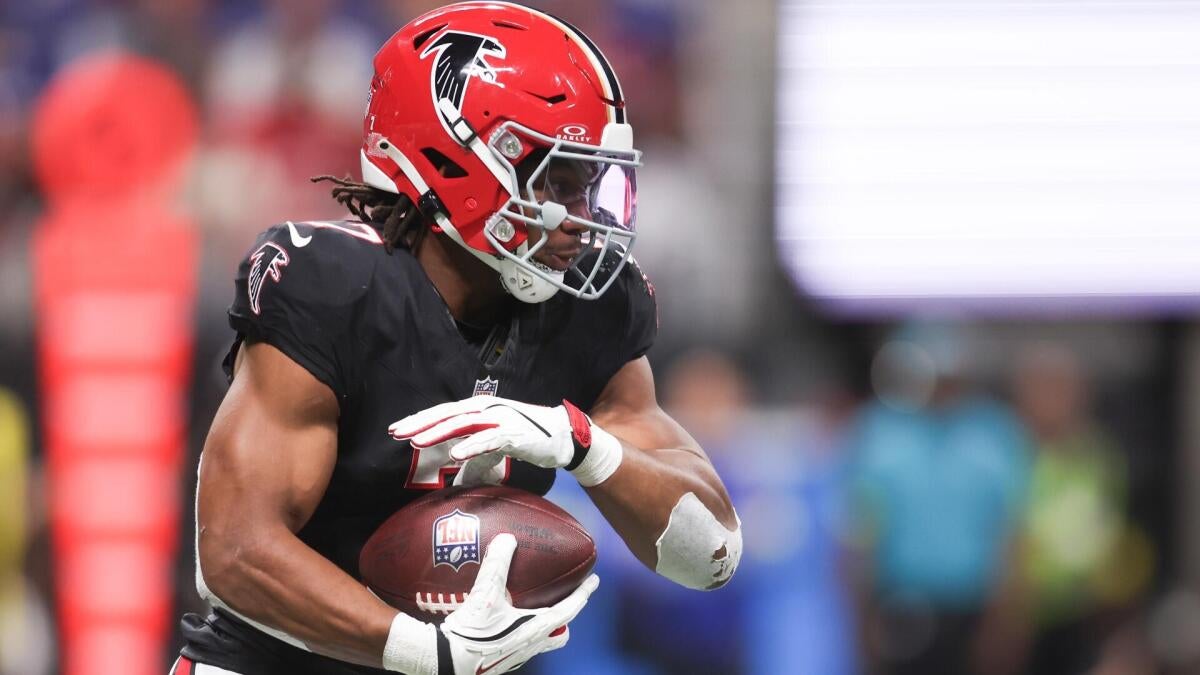
Dave Richard's ultimate step-by-step guide for drafting running backs in your 2026 Fantasy Football leagues
Full Article
Original Source
Read the full article at Cbssports →KhanList aggregates and links to publicly available news content. We do not host full articles from third-party sources. Always verify important information with original sources.