
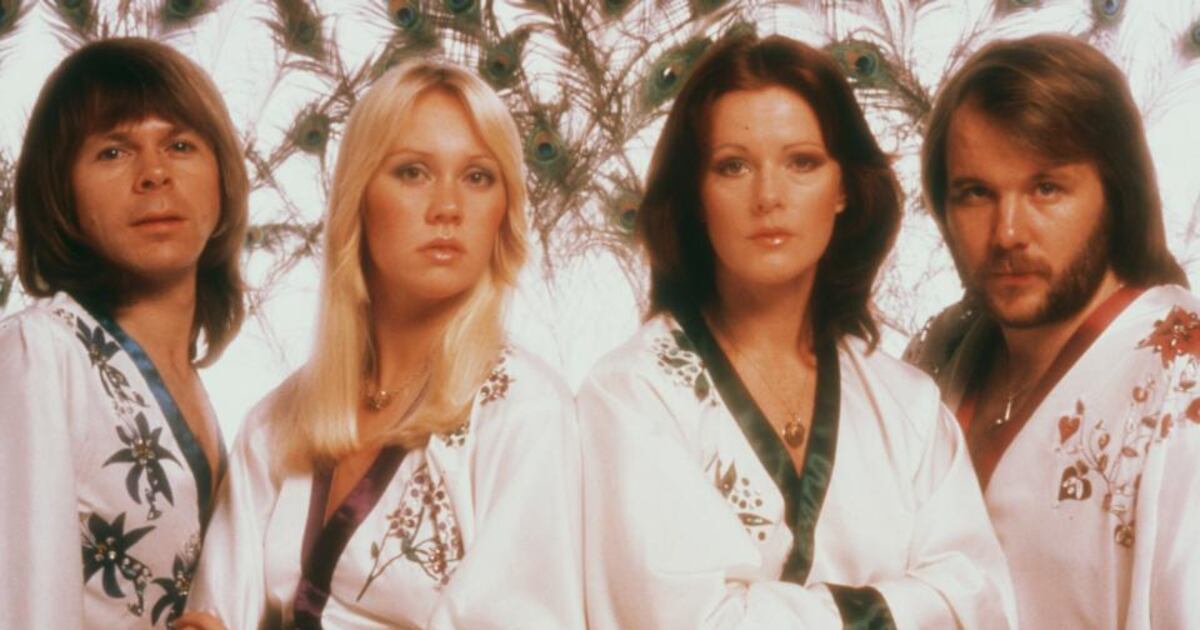
A record companies organisation has denied breaching the rights of Irish performers in its operation of a music royalties system.Phonographic Performance (Ireland) Ltd (PPI) faces the allegation in a High Court action brought against it by Recorded Artists Actors Performers Ltd (RAAP).The artists’ organisation has claimed that of about €13.8 million collected in performance fees from Irish businesses and broadcasters paying licensing fees in 2024, about €2.9 million was returned to performers.PPI denies any breach of rights and has advanced a counterclaim, including a claim RAAP owes it money.READ MOREOpening PPI’s defence on Wednesday, Paul Gallagher outlined his client’s reasoning in 2016 for appointing UK-based Phonographic Performance Ltd (PPL) to manage royalty rights of Irish performers, including concerns with RAAP’s system for identifying artists and paying out royalties.Lawyers for RAAP have previously said PPI engaged in an “egregious breach” of performers rights when it “purported to get rid of RAAP in 2016” by appointing PPL.The consequence of this was that remuneration was withheld from some Irish acts − including the Chieftains, the Boomtown Rats and the Saw Doctors − because the database used by PPL to calculate the distribution of royalties failed to match some Irish bands with musical tracks released by them.Gallagher said it was “plainly wrong” to suggest the high-profile artists were not recognised under the system with PPL.He said his client had concerns that RAAP’s system for distributing royalties did not identify artists who qualified for remuneration.Gallagher said RAAP’s database used for identifying artists contained “extraordinary and obvious errors”.An example of this was the system’s identification of Agnetha Fältskog, member of Swedish group Abba, as a background vocalist on Daniel O’Donnell’s rendition of The Boys from Killybegs, he said.Gallagher said his client believed they were serving performers better by using more sophisticated services for identifying artists for remuneration.RAAP, established to collect and distribute statutory royalties from recorded music to more than 5,000 performers, initiated its case in 2016 against PPI and the State, but the full hearing was delayed for reasons including legal issues being referred to the Court of Justice of the European Union, appeals and discovery issues.RAAP’s case before the Commercial Court, the High Court’s business division, raises significant issues concerning how musical performers are paid for works under copyright law.The case continues before Judge Nessa Cahill.
Database ‘listed Abba singer as a vocalist on Daniel O’Donnell song’, High Court hears
Full Article
Original Source
Read the full article at Irishtimes →KhanList aggregates and links to publicly available news content. We do not host full articles from third-party sources. Always verify important information with original sources.