
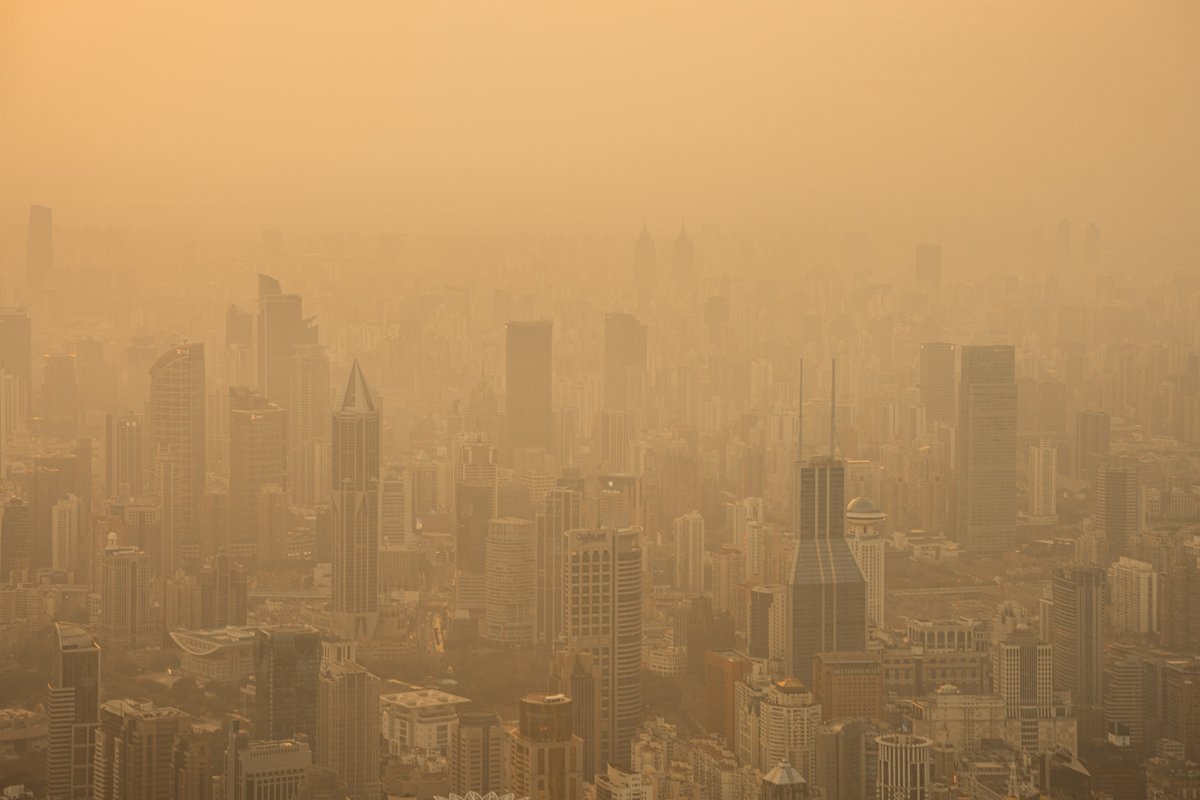
September 29, 20262 min read Add Us On GoogleAdd SciAmAround half of world’s population exposed to dangerous levels of ozone in 2026This exposure reflects an intersection of climate change, air pollution and public health, says new analysisGround-level ozone is the main ingredient in smog. Jackyenjoyphotography via Getty ImagesJoin Our Community of Science Lovers!Around half of the global population has been exposed to dangerous levels of ground-level ozone this year, a new report finds.Though ozone high up in Earth’s stratosphere provides protection from ultraviolet radiation to people and other life on the planet, ground-level ozone is a toxic pollutant. It’s the main ingredient in smog and can cause lung damage and harm vegetation such as crops.Ozone, which is made up of three oxygen atoms, forms when emissions of other pollutants such as carbon monoxide and nitrogen oxides from fossil-fuel burning or wildfires mix with sunlight and heat. And the world saw a lot of heat this summer.On supporting science journalismIf you're enjoying this article, consider supporting our award-winning journalism by subscribing. By purchasing a subscription you are helping to ensure the future of impactful stories about the discoveries and ideas shaping our world today.Those summer heat waves, amplified by climate change, are part of the reason some 51 percent of people in the world were exposed to “very poor” or “extremely poor” average ozone concentrations in the past six months, according to a report released September 29 by the Copernicus Atmosphere Monitoring Service (CAMS). Both categories exceed the World Health Organization’s guidelines for exposure to the pollutant. Some 34 percent of people were exposed to extremely poor concentrations. A mere 5 percent experienced “good” conditions.Amanda Montañez; Source: Copernicus Atmosphere Monitoring Service, European Center for Medium-Range Weather Forecasts (data)Asia saw the highest levels of ground-level ozone, with 75 percent of people exposed to at least very poor concentrations, followed by North America and Europe.The CAMS report noted that both the ozone and the pollutants that lead to it can move across international borders, which makes reining it in a more difficult task.“Ozone pollution is a stark reminder of how interconnected our atmosphere, climate, health, and livelihoods really are, with pollution and our changing climate impacting the chemistry of the air we breathe, determining the health of our ecosystems, and even governing our ability to grow food,” CAMS director Laurence Rouil said in a statement.Subscribe to Support Independent JournalismGreat science journalism requires human expertise, time, effort and creativity. And it costs money. That’s why I and the journalists here at Scientific American hope you’ll join our community.When you subscribe, you are supporting staff and freelance journalists who are passionate about telling science stories that are true, important and compelling. Our editors and reporters are often experts in their fields, which means they understand the nuances of big discoveries and can untangle the breakthroughs from the hype. With a subscription, you are also supporting rigorous fact-checking to ensure the words we publish are precise and accurate. And you’re supporting original illustrations, graphics and photos that bring you closer to an advanced laboratory, an ice sheet in Antarctica or a space mission in orbit. You’re helping us craft other types of high-quality journalism as well: Our newsletters are carefully written, edited and curated by staffers you have or will come to know and love. Our Science Quickly podcast is based on original reporting, collaboration with editors and scientists and exacting production.Subscriptions keep this engine running so we can continue to deliver thoughtful, rigorous and independent science journalism to you. In an era of viral misinformation, this work is crucial. If you value what we do, I hope you’ll consider joining us as a subscriber
Dangerous ozone threatened half of world’s population this year
Full Article
Original Source
Read the full article at Scientificamerican →KhanList aggregates and links to publicly available news content. We do not host full articles from third-party sources. Always verify important information with original sources.