
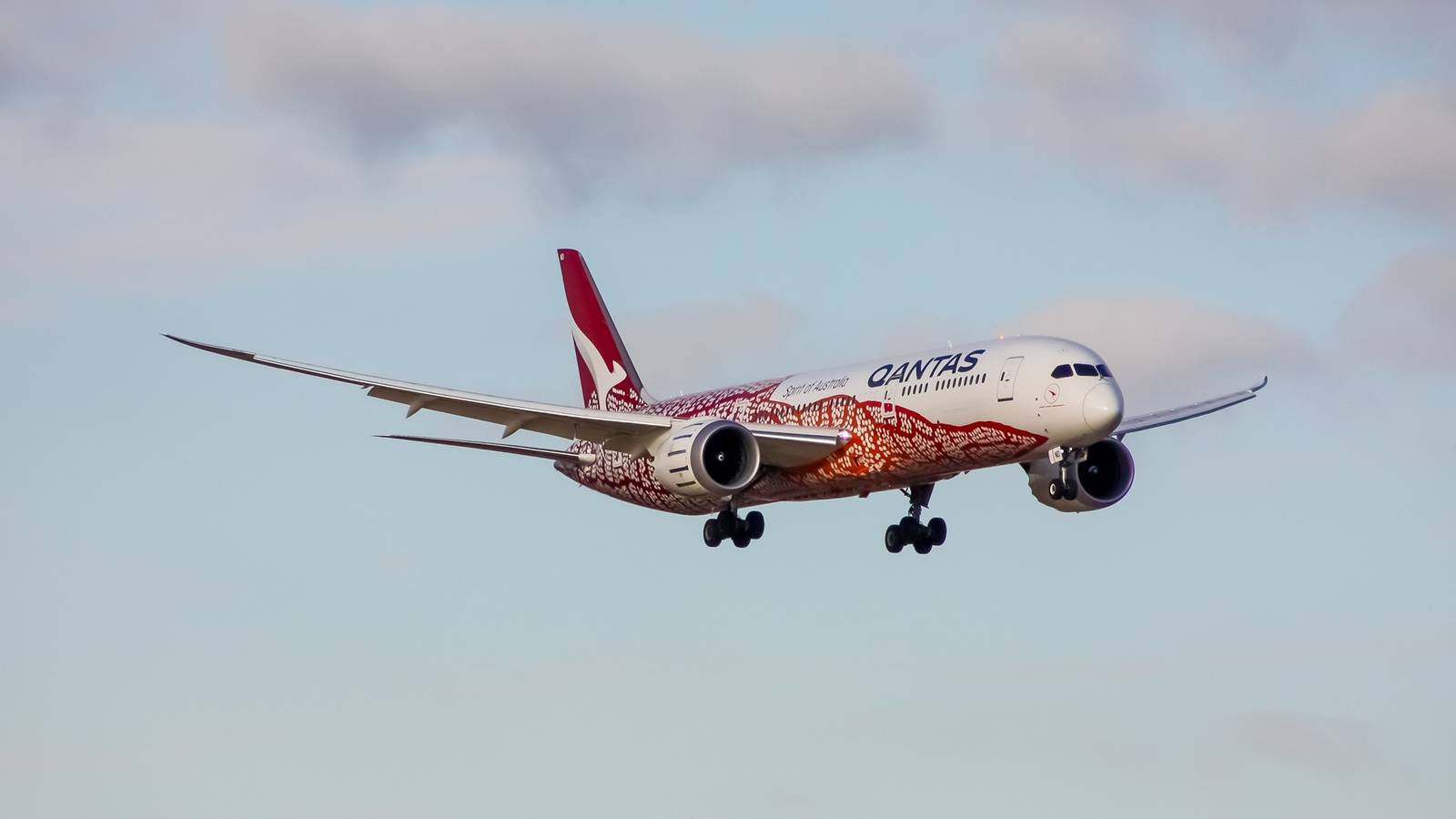
Published Nov 29, 2026, 1:45 AM EST Journalist – Aaron is an aviation and travel journalist with 14 years of experience in the travel and tourism industry. His background spans airport operations, aviation infrastructure, and travel consulting, having worked with global organizations across New Zealand, Europe, and North America. Combining industry expertise with firsthand travel experience across more than 52 countries and five continents, Aaron covers airlines, airports, aviation policy, and the wider travel sector. He is based in Canterbury, New Zealand. His work has been published in Simple Flying and featured by MSN, SAM CHUI Aviation & Travel, EIN News, Pakistan Defence, and Climate Depot. A Qantas flight operating from Melbourne Airport (MEL) flew an eight-hour flight to nowhere after an airside safety vehicle spotted debris on the runway following the Boeing 787-9's departure. The flight, operating as QF21, was a nonstop service from Melbourne to Dallas/Fort Worth International Airport (DFW). The Texas-bound flight had climbed to 35,000 feet and was heading towards the United States. The Dreamliner was in the vicinity of Fiji when it was identified that the debris had the potential to have fallen from the Qantas aircraft. This immediately resulted in an in-flight emergency, and the plane was requested to return to Melbourne. Qantas operates multiple weekly flights to Dallas/Fort Worth from Melbourne, alongside its daily flights from its largest hub at Sydney Kingsford Smith Airport (SYD). Qantas Aircraft Operated An Eight-Hour Flight To Nowhere Credit: Robin Guess | Shutterstock Once the airside safety vehicle found the debris, CCTV was reviewed by airport officials to understand which aircraft the debris had fallen from. This footage confirmed that it had come from Qantas flight 21. This prompted quick action, and the flight was contacted and advised of the debris located, resulting in an emergency being declared. Despite the plane being above Fiji, the decision was made for the plane to return to Melbourne, resulting in the flight ultimately being cancelled, and all passengers on the Saturday flight to Dallas/Fort Worth being rebooked onto a replacement flight for Sunday. The aircraft has since remained grounded, and it is unknown when it will return to service. Simple Flying reached out to Qantas for insight into the flight, and received the prompt response below from an airline spokesperson: After departure, QF21 operating from Melbourne to Dallas returned Melbourne for engineering support due to a mechanical issue. Unfortunately, the flight was unable to continue as scheduled, resulting in an overnight stay in Melbourne. Customers were provided accommodation, transport and meal vouchers and rebooked on a replacement flight tomorrow. We thank them for their patience and understanding. 787 Dreamliner Returns To Melbourne After Debris Confirmed By CCTV To Have Come From Qantas Aircraft Credit: Graham Drew Photography | Shutterstock The jet eventually returned to Melbourne after the eight-hour flight, touching down at 8:54 PM that evening. Full flight details as captured below from the Simple Flying Flight Tracker: Flight Number: QF21 Origin: Melbourne Airport (MEL) Destination: Dallas/Fort Worth International Airport (DFW) Scheduled Departure Time: 12:00 PM AEDT Scheduled Arrival Time: 10:55 AM CST Actual Departure Time: 12:00 PM AEDT Return Arrival Time In Melbourne: 8:54 PM AEDT Aircraft: Boeing 787-9 The aircraft at the center of the incident was VH-ZNI. This aircraft was first delivered to Qantas on October 15, 2019. It carries the nickname 'Kookaburra' and is configured to carry a total of 42 passengers in business class, 28 in premium economy and a further 166 in economy class, 28 in premium economy and a further 166 in economy. Qantas currently operates a total of 14 Dreamliners in its fleet. For the stranded passengers, the replacement flight operated on Sunday, November 29, flying as QF7021. This service pushed back from Melbourne at 12:47 AEDT and is expected to arrive into Dallas/Fort Worth at 11:45 AM on Sunday. Operated with the same type of aircraft, this 787-9 carries registration VH-ZNE. What Happens When Aircraft Debris Is Found On The Runway? Credit: Leena Robinson | Shutterstock Known officially as Foreign Object Debris (FOD), this aircraft debris, if found on the runway, will prompt air traffic control and airport operations to immediately pause runway movements until the debris is cleared. This is to prevent tyre blowouts on other aircraft, it being ingested into an aircraft engine or causing structural damage to planes. Detection systems, including runway surveillance radar and optical sensors, paired with visual inspections, allow operators to be alerted and then notify the control tower so arriving or departing aircraft can be redirected to another runway. The runway rovers, or airside response teams, can then be deployed to find the exact spot of the debris, take photos and other evidence before moving the debris. In some more complex cleanups, sweepers or other equipment may be required. After the debris is moved and the surface has been confirmed as clear, the ground crew will contact air traffic control and deem the runway safe to allow normal flight operations to resume.
Dallas-Bound Qantas Boeing 787 Flies 8.5 Hours To Nowhere After Shedding Debris On Takeoff
Full Article
Original Source
Read the full article at Simpleflying →KhanList aggregates and links to publicly available news content. We do not host full articles from third-party sources. Always verify important information with original sources.