
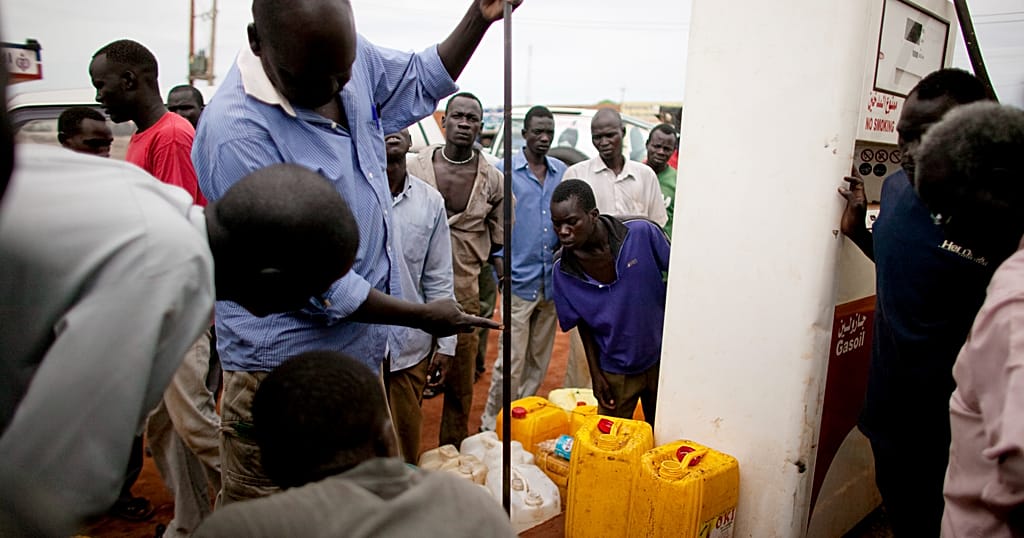
A deepening fuel crisis is paralysing daily life across Sudan, where long lines of vehicles at the few operating petrol stations have become a daily routine. Amid the ongoing civil war, domestic refining has been crippled by drone attacks targeting infrastructure and energy and fuel sources. At the time, conflict in the Middle East since late February has led to significant fluctuations in international energy market prices. In his car at a petrol garage, Osman Faisal, a Khartoum resident, said he had started queuing for petrol at seven in the morning and had been waiting for over two hours. "I don't know how much longer I'll have to wait. I haven't been able to fill up for a week,” he said. “And the price of gasoline has further gone up recently. Now it costs about $58 per gallon. It has increased by over $8 in just several days." The external shock of global oil prices has been exacerbated by the depreciation of the Sudanese pound against the US dollar, making every imported shipment more expensive. Another Khartoum resident queuing for petrol, Adnan Osman, said he hoped the exchange rate would stabilise as soon as possible. "Every morning when we wake up, we are forced to make a choice - go to work or queue for petrol," he said. In addition to disrupting people's travel, the fuel shortage has driven up transportation and delivery costs, pushing the price of food and daily necessities higher. "The prices of food, including vegetables and bread, are also on the rise. The life of everyone in this country is being severely affected," said resident Alrazy Mohamed. It is also impacting the economy and is contributing to a worsening of the country’s humanitarian crisis. Relentless clashes since fighting erupted in April 2023 between the Sudanese Armed Forces and the paramilitary Rapid Support Forces have forced major oil fields to shut down. The Khartoum refinery, which once met about 70 per cent of national fuel needs, has closed and several oil fields are also offline, forcing Sudan to rely almost entirely on imports. Caught between rising global prices and a plummeting local currency, petrol station operators are forced to constantly recalculate their rates and frequently shut down pumps.
Daily life in Sudan paralysed by deepening fuel crisis and rising costs
Full Article
Original Source
Read the full article at Africanews →KhanList aggregates and links to publicly available news content. We do not host full articles from third-party sources. Always verify important information with original sources.