
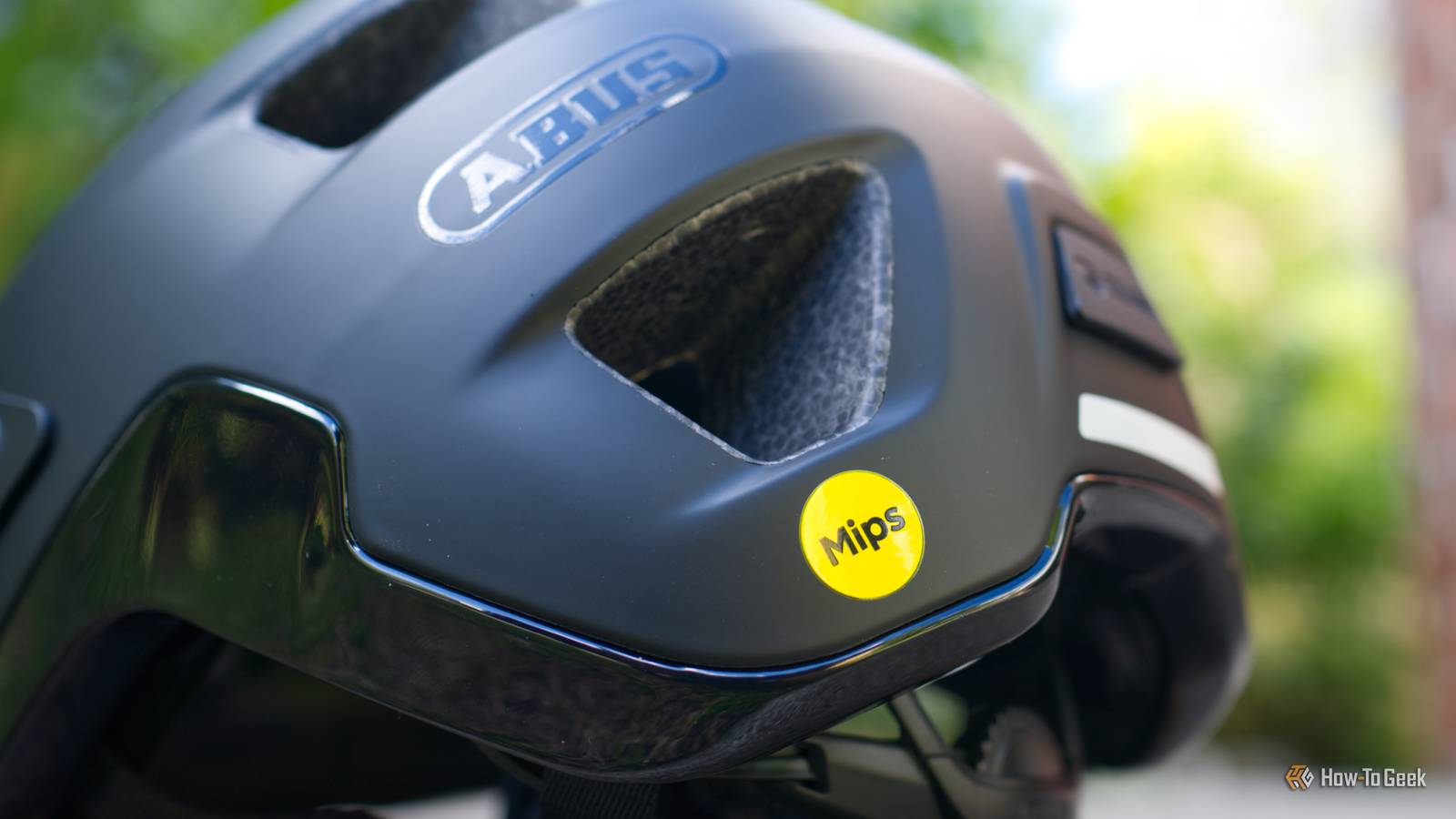
Published Aug 30, 2026, 10:00 AM EDT Tim has been covering technology for almost 20 years, in that time spanning a broad range of topics from security to product reviews. He is especially focused on the Apple ecosystem, productivity, and consumer advice. Over the years Tim has written thousands of articles, reviews, and round-ups in addition to producing video content and original photography. A graduate of journalism, he found his footing as a freelancer with a laptop and loves how he is able to work from practically anywhere. Now a Senior Editor for iPhone, Mac, and Smart Home at How-To Geek, Tim still loves to write. He can also be found crafting round-ups and productivity posts for the Zapier blog. Earlier in his career Tim spent nearly a decade as a writer and eventually Apple section editor for MakeUseOf. Tim currently lives in Brisbane, Australia. Outside of work he loves to hike and work out, play video games, and spend quality time with his wonderful partner and two cats Inka and Roger. You never forget how to ride a bike, but you can be forgiven for not staying up to date with the latest cycling tech trends. These include new categories of bikes, safety improvements, and more gadgetry than ever before. eBikes now come in every flavor From comfortable commuters to aggressive off-roaders eBikes are nothing new, and if you live in a city, there’s a good chance there is a fleet of them at your disposal with the tap of an app. But eBikes don’t just have to be safe commuter bikes anymore, even though this is arguably where the technology shines the most. Pedal-assist really excels at getting those heavier, comfier frames up to speed, so you can skip the traffic. Perhaps the most “interesting” eBike class is the mountain bike, known as eMTB. These bikes share the same front or full suspension setup as a classic MTB, with an electric motor that’s tuned for high torque output to get up the hills. If you need an extra push to get out on the trails, eMTBs are a serious option. On top of this, there are eBikes in cargo form (great for carrying a gaggle of children or a whole week’s worth of groceries), folding eBikes which can easily fit in your car boot or on the bus, and fat tire bikes for particularly loose surfaces like sand and snow. Gravel bikes are the hot “new” thing The new go-anywhere bike Credit: Canyon Gravel bikes aren’t exactly new, having been an established part of the cycling landscape for a decade or more. But they’ve evolved considerably over a relatively short time, starting out as road bikes with slightly thicker tires and splintering off into different disciplines that suit different riders. Generally speaking, gravel bikes are lighter than mountain bikes and lack suspension (but not always). They usually adopt the more aggressive geometry of a road bike (but not always), drop bars, and greater tire clearance for fatter wheels. “If it goes on gravel, it’s a gravel bike,” is a phrase that bike nerds frequently use, and they’re not exactly wrong. What really stands out about these bikes is how rugged they are considering their size and weight, and the reputation they’ve earned as do-everything bikes that make a few sacrifices to remain versatile. Often, all you need to make the best of a gravel bike is a spare set of wheels so that you have road and off-road options ready to go. They’re not only for gravel, but they work well on smooth tarmac (especially with road tires), uneven city pavement, on roads that are full of cracks and potholes, and rougher stuff like mud, sand, snow, and gravel. The thicker the tires, the more you can do. If you only have room or the budget for one bike, or you want a bit more confidence on uneven terrain while still going fast on the roads, a gravel bike should be on your radar. Carbon fiber bike frames are no longer just for the pros You’ll still need deep pockets, though Credit: Cube Carbon fiber frames are lightweight, stiff, and offer unique properties that set them apart from aluminum, steel, and titanium. Carbon frames are said to dampen bumps well, while providing excellent durability over time since carbon doesn’t fatigue in the same way that materials like aluminum do. On the flip side, carbon frames don’t bend; they crack. That means they need to be carefully inspected following any kind of crash to ensure they’re still safe to ride. They’re also expensive, which is why carbon frames still demand a premium. But they’re not the exclusive item they once were, with many bike manufacturers offering a carbon frame option for a modest upgrade fee of a few hundred dollars. This wasn’t the case a decade ago. Over the past ten years, bike manufacturers have developed better manufacturing techniques that make these frames tougher, more durable, better able to withstand the elements, and lighter. Efficiency in manufacturing has also improved, which means they’re cheaper. They’re cheap, but who knows what another ten years will do. Disc brakes are everywhere now Even road bikes have them Credit: Tim Brookes / How-To Geek I bought a hybrid city bike in 2015, and one of my must-have items was disc brakes. At the time, these were becoming increasingly more common on regular bikes after taking over the mountain biking scene. But in the years that followed, road cyclists finally reached the decision that disc brakes are superior to rim brakes. That war is over, and disc brakes won. Hydraulic disc brakes—which use fluid rather than cables—are so good that you will never want to use anything else ever again. Forget cables, forget rim brakes that do nothing in the rain; disc brakes are the future, and it’s a huge upgrade even for entry-level bikes. Wireless shifters are incredibly cool You probably can’t afford them (yet) Credit: Shimano Wireless shifters like the Shimano Di2 use a battery-powered motor to move the derailleur, which slides the chain into place to change gear. You operate them with buttons on your handlebars, just like you would with cable-operated brakes. They require charging, and they’re not exactly cheap, but they’re super precise, fast, and they feel futuristic. For some, it’s one more thing to remember to charge, and that makes them impractical for everyday use—a luxury that you don’t need, with more downsides than benefits. Others are going to want them, even if they can’t afford them. Personally, I’m happy to admire from a distance. Bone-conduction headphones are finally worth it The safest way to listen while you ride Credit: Cianna Garrison / How-To Geek Bone-conduction headphones allow you to enjoy music, podcasts, audiobooks, and phone calls in your head without occluding your ears. This means you can maintain the spatial awareness you need while you're on the bike. SHOKZ is one brand that frequently comes out on top in tests and has a pair for every budget, starting at around $80 for the OpenMove. Personally, I’m not against using modern “transparency mode” headphones with active noise cancelation, either. Helmet tech has moved on too Get yourself a Mips helmet Credit: Tim Brookes / How-To Geek Did you know you should be changing your helmet every 12 to 24 months, or after any kind of impact—even a drop? Helmets are designed as crumple zones that absorb impact. This means that, as the foam softens over time, they will eventually no longer perform their job to an adequate standard. Many new helmets are fitted with the Mips safety system, a technology that “is designed to help reduce the rotational motion of certain impacts that may otherwise be transferred to your head.” These helmets contain a low-friction layer that is designed to move in the event of a crash, protecting your head from impact by redirecting forces away from your head. It could be the best money you ever spend on your bike. Cycling is just one such hobby that’s becoming increasingly high-tech. Check out how coffee is moving in a similar direction.
Cycling is going high-tech in some exciting ways—here’s what to look out for
Full Article
Original Source
Read the full article at Howtogeek →KhanList aggregates and links to publicly available news content. We do not host full articles from third-party sources. Always verify important information with original sources.