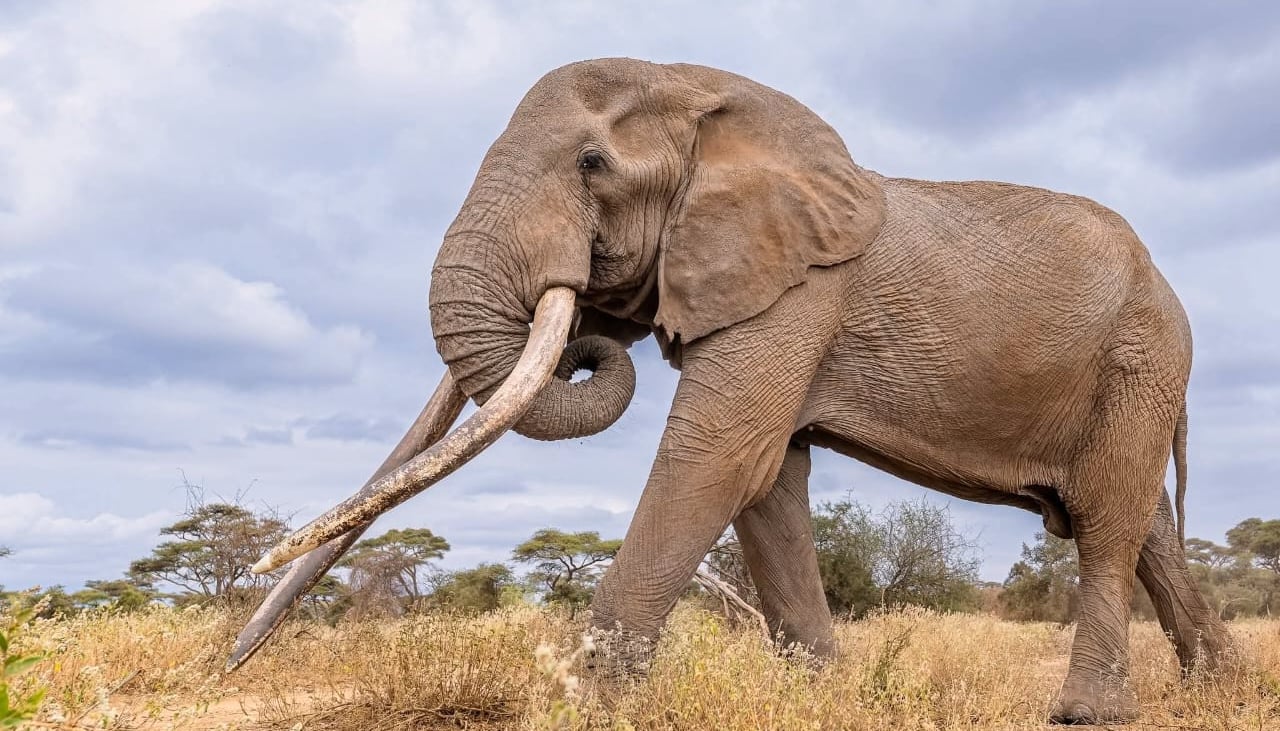
The investigation is still under way and it is not yet clear whether the poisoning was accidental or deliberate.(AFP) — Fifteen elephants found dead over the past month in one of Kenya’s best-known wildlife parks were likely poisoned by cyanide, possibly from pesticides used on nearby farms, wildlife officials said Thursday.The deaths occurred in Amboseli National Park near the Tanzanian border, home to some of Africa’s most famous elephant herds.A preliminary investigation found the animals had ingested cyanide, “a toxic substance… which is very lethal, very poisonous,” Kenya Wildlife Service spokesman Duncan Juma Wanyama told AFP.“And whenever the elephant consumed it, it affects their lung and the liver,” he added.Investigators suspect the elephants ate tomatoes contaminated with “very strong pesticides,” Wanyama said.Tomatoes were found in the stomachs of several elephants from the same herd, which may have been attracted to unripe plants growing on nearby farms, he added.The investigation is still under way and it is not yet clear whether the poisoning was accidental or deliberate.At least one elephant died on the farm where the tomatoes were growing. Others staggered towards a water source before dying days later, despite treatment by vets.Nine female elephants and their calves, along with an adult male, had shown similar symptoms, including partial paralysis that left them unable to stand.The remaining five carcasses were too decomposed or had been scavenged, so investigators were unable to determine the cause of death.Wildlife officials are now checking whether other farmers in the area use the same chemicals.The International Fund for Animal Welfare (IFAW) charity called the loss “a major setback for one of Africa’s key elephant populations and highlights the devastating impact toxic substances can have on wildlife, livestock, people and ecosystems.”“Those responsible must be held fully accountable under the law,” said IFAW Kenya Director Ben Wandago.“This tragedy also underscores the urgent need for the strict control and responsible handling of highly toxic substances to prevent them from entering the natural environment.”Amboseli is world-renowned for its herds of elephants and its savannah landscapes, with Mount Kilimanjaro visible across the border in Tanzania.Categories / InternationalSubscribe to our free newslettersOur weekly newsletter Closing Arguments offers the latest about ongoing trials, major litigation and rulings in courthouses around the U.S. and the world, while the monthly Under the Lights dishes the legal dirt from Hollywood, sports, Big Tech and the arts.Additional Reads
Cyanide poisoning likely killed 15 elephants in Kenya: Investigators
Full Article
Original Source
Read the full article at Courthousenews →KhanList aggregates and links to publicly available news content. We do not host full articles from third-party sources. Always verify important information with original sources.