
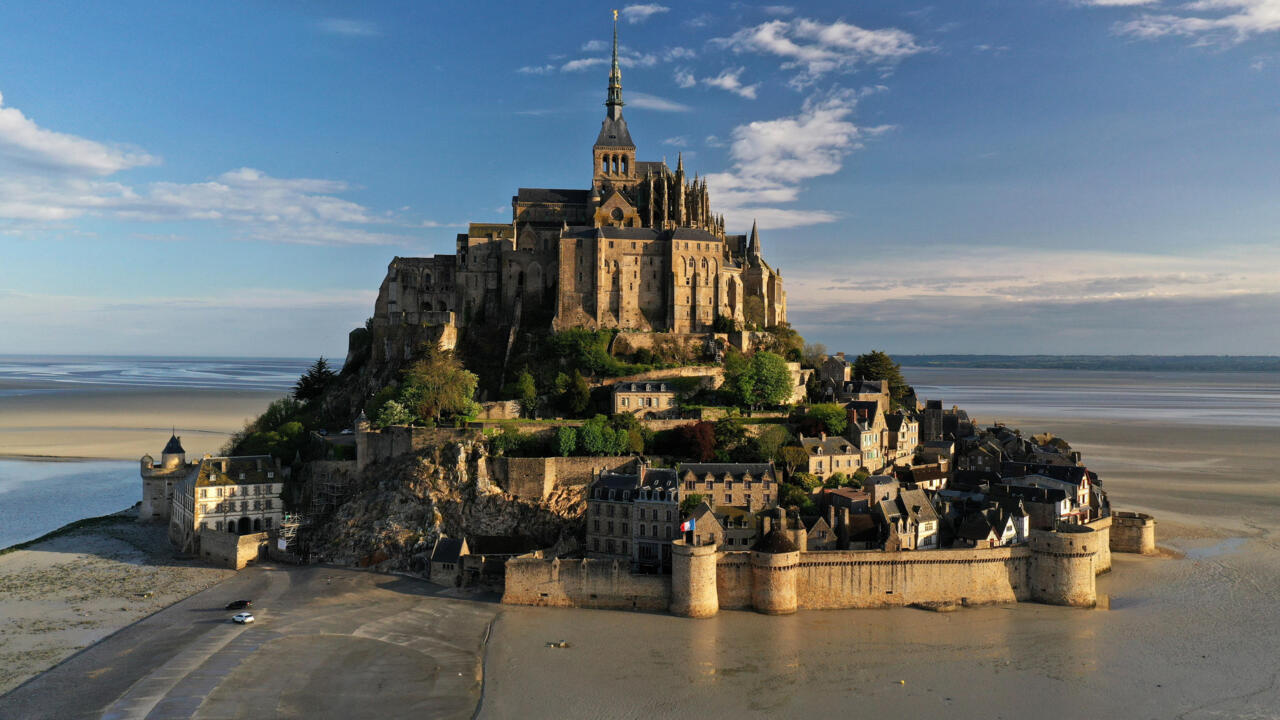
Unesco World Heritage sites in France and around the world are under threat from the climate crisis. From ancient cities to medieval abbeys, floods, droughts, rising seas and wildfires are putting humanity’s most precious cultural heritage at risk. Issued on: 03/10/2026 - 08:44 2 min Reading time A recent study published by France's EDHEC Climate Institute lists the 10 sites in the country most endangered by extreme weather that is being exacerbated by climate change. At the top of the list is the 12th-century Fontenay Abbey in Burgundy. The abbey was built near a stream, which was useful when there was no indoor plumbing. But 800 years on, it’s a different story. "This [abbey] was built at the bottom of a small valley, near a stream. But that is precisely what makes it the most vulnerable site," Anthony Schrapffer, scientific director of EDHEC, told RFI. "Being located beside a stream, which was an advantage in medieval times, has become a factor contributing to the site’s vulnerability due to the intensification of the water cycle and the increased risk of flooding." The study identified flooding as the main threat to France’s cultural heritage. One in three Unesco-listed sites in France will be endangered by floods by 2050 – including Avignon, the City of the Popes on the banks of the Rhône, and Mont Saint-Michel. "With a storm, we have a surge that floods the coastline. It’s an event that is exacerbated by rising sea levels. Mont-Saint-Michel is a cultural site that is, in fact, already exposed to the ocean, storms and so on. But with rising sea levels, there is a risk of damage to this site," said Schrapffer. The threat is more acute when sites are exposed to a combination of climate-related hazards, such as the Pont du Gard, the famous Roman aqueduct in the south of France – which faces flooding, heatwaves and wildfires. Unesco warns majority of World Heritage sites at risk from drought or flooding Global threat It is not only in France that Unesco World Heritage sites are under threat. Another study, carried out two years ago by Climate X, a UK-based climate risk data and analytics platform, identified the 50 most endangered Unesco sites. Topping the list is the 9th-century Subak irrigation system for Bali's terraced rice fields. China's Quanzhou, the global maritime trade hub and starting point of the Maritime Silk Road, is also under threat. On the African continent, Timbuktu is endangered by the encroaching desert and sandstorms. Further south in Mali, Djenné's 2,000 mud-brick houses are cracking under the strain of drought and high-quality clay for their upkeep is becoming increasingly scarce. "We have realised that cultural heritage is one of the areas that can be affected [by climate change] and is not given sufficient attention," said Schrapffer. "A road can be rebuilt if it is damaged, but a 12th-century abbey cannot be replaced. If we do not demonstrate that cultural heritage can be affected, we will be unable to take action. We will simply be witnesses to the extreme events in the future that will affect these sites." This article has been adapted from the original version in French by Florent Guignard.
Culture versus climate: how global heating endangers Unesco heritage sites
Full Article
Original Source
Read the full article at Rfi →KhanList aggregates and links to publicly available news content. We do not host full articles from third-party sources. Always verify important information with original sources.