
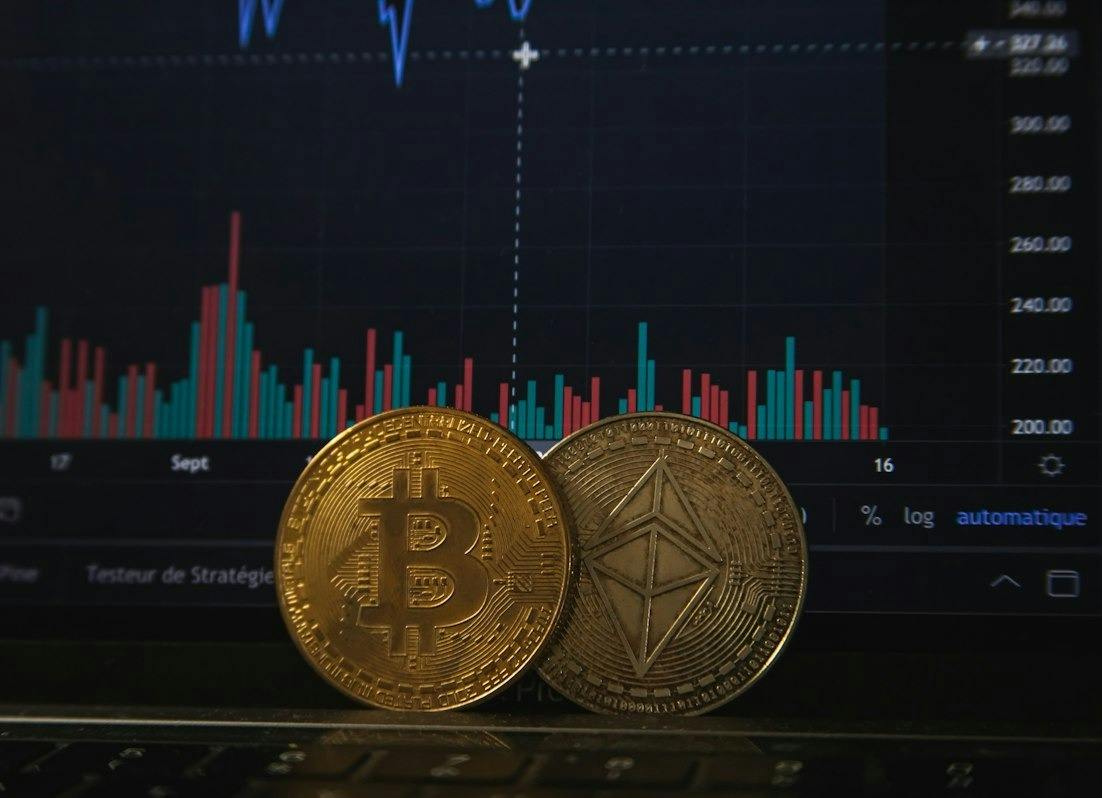
Why do investors become eager to buy assets that attracted little interest before? The change often has as much to do with confidence as with the asset itself. You see that in bonds and shares, and in the enthusiasm and anxiety surrounding crypto.When learning how to buy crypto, earlier cycles can help you judge those shifts and possible entry opportunities, even though they won't tell you exactly where prices go next.Read the shift in buying and sellingEconomic conditions and investors' changing expectations influence how much buying or selling pressure a market faces. Crypto can move through sharp changes quickly, though its cycles have no fixed duration. When buyers become less willing to meet sellers' prices, downward pressure can build. Interest may eventually return, beginning another advance.The familiar cycle model groups this behaviour into accumulation, markup, distribution and markdown. Their boundaries are often clearer afterwards than while you are deciding what to do.Accumulation after a sell-offA severe sell-off leaves plenty of investors discouraged. Some give up their holdings, trading becomes quieter and prices may settle into a range well below the earlier highs. This is the setting described as accumulation. You can see that the market has fallen; you cannot yet know whether it has finished falling.Patient value investors, including some large holders or whales, consider the depressed price worth accepting the risk. They build a position in anticipation of renewed interest.Markup brings the buyers backAs successive peaks exceed previous highs and pullbacks stop above earlier lows, the advance becomes easier to follow. This is the bull market described by the markup stage. Technically minded investors track the pattern, while media attention draws more people towards crypto. A temporary fall now looks to many buyers like a chance to enter the rising market.More newcomers bring more trading, and the rise can continue even as prices become hard to justify on the asset's merits. Buyers start depending on someone else paying a higher price, which is the greater-fool argument rather than a judgement of value. As the advance loses momentum, people who hesitated earlier can rush in together, treating it as their chance to join the rally. That late burst of buying can send prices sharply higher.Distribution divides buyers and holdersAfter an extended rise, prices may stop making progress. Buyers expecting further gains meet holders who see little upside left and want to realise profits.Trading can stay busy while prices fluctuate inside a range. Optimists regard the pause as preparation for another climb; pessimists see the advance running out of strength. With neither view settled, the confidence of the rising market gives way to uncertainty.Markdown puts exits under pressureMarkdown is the point at which the excitement of the rally turns into anxiety. To find a buyer, sellers may have to accept progressively lower prices, taking the market back towards levels it passed on the way up. People still buy, but demand at the earlier prices has weakened. Investors concerned with cutting losses can keep selling despite encouraging news, so good headlines alone may not stop the decline.Selling after the decline has begun can mean accepting less profit than you had expected, or a larger loss on an already losing position. Holding leaves your return exposed to any further fall, although a recovery is also possible.Why analysts disagree about the next cycleAn accumulation label often comes with a bullish longer-term forecast; a distribution label can signal that an analyst expects weakness. Some forecasts also lean on the Bitcoin halving. This scheduled cut halves miners' subsidy of newly issued bitcoin once per 210,000 blocks, approximately every four years. Earlier rallies have encouraged comparisons with that rhythm, but a reduction in new issuance cannot guarantee the demand needed to sustain another rise.A market with spot exchange-traded funds and more institutional involvement may behave differently from the markets in earlier charts. Changes in economic conditions or regulation can also disrupt comparisons, so examine a forecast's assumptions before treating its timing as a guide.Research, profit-taking and defensive decisionsWhen prices have fallen and attention is elsewhere, use the quiet to investigate the projects you might want to hold for longer. Research gives you a reason for choosing an asset beyond its discount from an earlier peak. If you decide to build a position, buying gradually distributes your entry over several prices. You give up the task of finding the single lowest point, without gaining a promise of cheaper purchases overall or protection from losses.During an advance, planned profit-taking gives you a way to realise gains without joining the rush to buy at ever higher prices. Keep risk controls in place and use the levels in your plan rather than chasing the latest peak. If momentum slows and peaks become lower, review the gains still exposed in your holdings and consider a more defensive position. A falling market calls for a different question: does your investment case still hold? Avoid a panic sale, but reduce exposure when your assessment warrants it, using the quieter period to learn and rebalance.Prepare to act as sentiment changesYou can investigate while interest is low, recognise the enthusiasm behind a rise and review your exposure as confidence starts to weaken. You will be better placed to assess opportunities calmly, with your own reasoning behind the decision.Financial Advice Disclaimer: This article is for informational purposes only and does not constitute financial or investment advice. Cryptocurrency investments carry significant risks, and readers should conduct their own research before making financial decisions.
Crypto Market Cycles: Reading the Phases Before You Buy
Full Article
Original Source
Read the full article at Hackernoon →KhanList aggregates and links to publicly available news content. We do not host full articles from third-party sources. Always verify important information with original sources.