
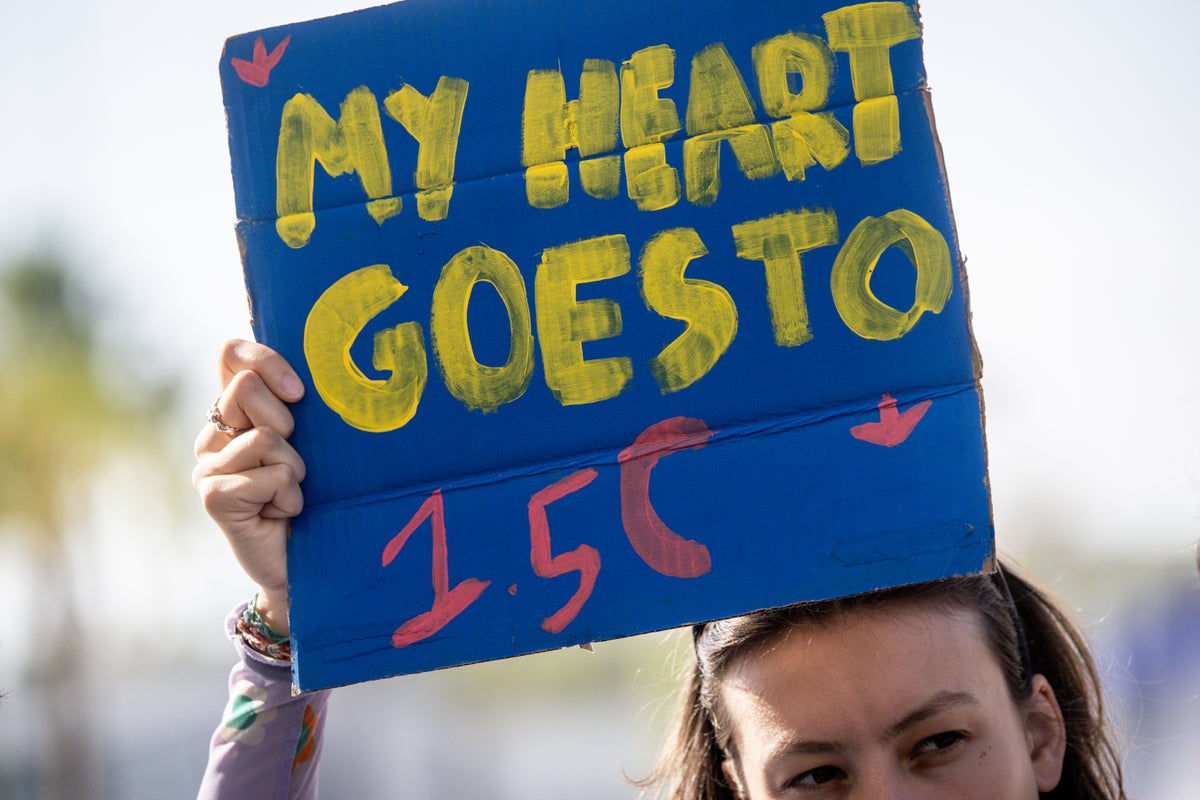
A first draft of text for a deal at Cop31 has been circulated to delegates, drawing swift criticism from climate campaigners and reflecting the wider disarray that has characterised the largest ever UN climate summit.As the event entered its second week on Monday, negotiations shifted from technical discussions to high-level political talks, with the cover decision intended to set out the key outcomes countries hope to secure.But the 18-page, 144-paragraph draft appears to be a sprawling compilation of most of the competing priorities put forward by countries participating in the negotiations, quickly categorised by observers as being too long, lacking clarity, and with “a lot of weeds that need to be pulled out,” according to Mohamed Adow of think tank Power Shift Africa. It is “best described as a mish-mash of contradictory proposals that stand little chance of making it into the final outcome text,” says Asad Rehman, chief executive of Friends of the Earth. “The draft text makes the right diagnosis, but the medicine it offers could have deadly side effects,” adds Romain Ioualalen of advocate group Oil Change International. “You cannot diagnose fossil fuels as the sickness and let fossil fuels be part of the care.”Burnham speaks at Cop31: 'Britain will answer the call. Climate is a national security issue'The draft contains two formulations on fossil fuels: one reiterating the commitment to “transition away” from them that was agreed at Cop28, and another calling for their phase-out altogether. Both could be dropped from the final agreement, with negotiators facing a Friday deadline to reach a deal, although previous climate summits have frequently run over time.Defending the inclusion of competing proposals, Australia’s climate minister – and president of the negotiations – Chris Bowen, told a press conference on Monday: “Frankly, if we only talk about what we all agree on... at this point so early in the process it would be pretty short document.”"We need to move the dial, which means having the conversation about things where parties currently don't quite see eye to eye to help bring them closer to agreement in coming days," he said.Among the most controversial elements is the inclusion of Turkey's (voluntary) push to for make electricity account for 35 per cent of global energy by 2035 target, which comes without a requirement for the electricity to come from renewable sources.Host Turkey set out the goal in the summer, presenting it as a way to accelerate the global shift away from fossil fuels, yet the country generated 57 per cent of its electricity from coal and gas last year. The Independent recently reported from Elbistan, in southern Turkey, where residents are campaigning against plans to expand a sprawling coal plant, claiming it has already contributed to widespread health problems, including cancer. The draft also backs carbon dioxide removal – where carbon dioxide is taken from the atmosphere and stored in places like deep underground – which campaigners say risks giving polluters an excuse to delay cutting emissions.Although at least four more days of negotiations remain to refine the draft, its lack of clear direction reflects a summit that has many competing interests.A record 92,934 people registered to attend, according to Carbon Brief, around 12,000 more than the previous record-holder, Cop28 in Dubai. That makes it provisionally the largest climate summit in history.Yet that includes delegations from more than 100 polluting corporations, trade groups and financial institutions, according to the Kick Big Polluters Out coalition.The sheer number of people has caused severe logistical issues, with attendees queuing for in some cases five hours in the sun to collect their entry passes and causing severe transport delays. The 45-minute journey between hotels and the Expo site in Antalya have often taken up to three hours, while delegates and journalists have missed scheduled panels and meetings. Participants were refused seats on overbooked flights, and a video of one man – amid the chaotic proceedings – went viral after he accidentally fell into a decorative pool. Yet, in a summit of contradictions, attendance from the high-profile decision-makers needed to drive significant change has been low, with the leaders of three of the world's biggest emitters, the US, China and India, all absent. UK prime minister Andy Burnham was the only G7 leader to attend, raising fears that rich nations are scaling back on climate commitments amid the rise of AI, war and a cost of living crises. Australia and Turkey are co-hosting Cop31 under an unusual power-sharing agreement, with Australia leading formal negotiations and Turkey overseeing the presidency. Yet the arrangement has raised concerns over fragmented leadership and coordination. Both countries have faced criticism over their continued reliance on fossil fuels, plans to expand production and reluctance to put a clear commitment to phasing them out at the centre of the summit. Turkey announced the discovery of two new oil fields on the first day of the summit, while Australia's prime minister failed to mention fossil fuels at all in his opening speech.The Antalya summit comes a decade after the landmark Paris Agreement set the ambition of limiting global warming to 1.5C, but a UN report published last week admitted that the world is on course to overshoot that threshold.The current draft text at Cop31, however, offers little detail on how countries intend to achieve that, instead relying on broad commitments to reverse the overshoot later this century.Adding to the confusion, Russia, the Arab Group and a bloc of developing countries led by China and India have questioned the legal basis for a separate deal text, arguing that it risks duplicating existing negotiations. Some have called for it to be replaced by a simple statement from the presidency rather than a negotiated text.An African delegation also criticised the first draft, telling Turkish media that broad political commitments could distract from concrete negotiations on climate finance and leave developing countries without the support needed to transition away from fossil fuels.
Criticism of draft Cop31 deal text shows how tough climate negotiations will be
Full Article
Original Source
Read the full article at Independent →KhanList aggregates and links to publicly available news content. We do not host full articles from third-party sources. Always verify important information with original sources.