
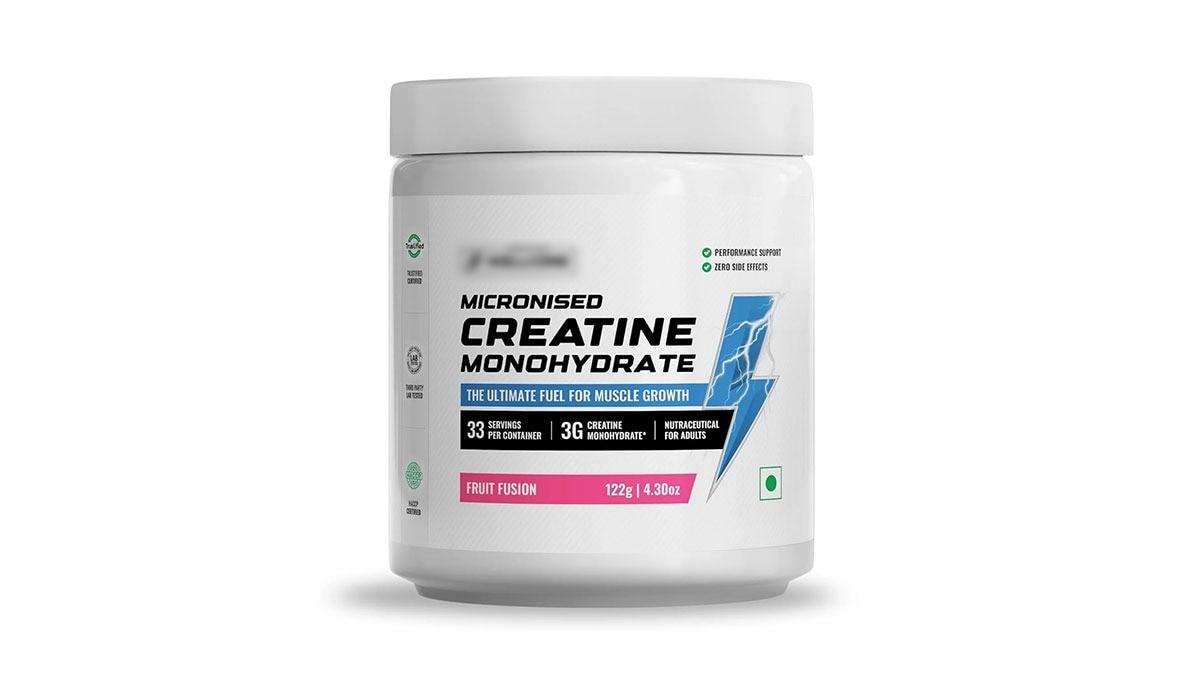
Once associated largely with male bodybuilders, creatine is finding a market among Indian women. From fitness enthusiasts looking to improve their workouts to women in their 40s exploring ways to maintain muscle strength, the supplement has become a talking point on social media.Influencers are discussing its potential benefits for everything from exercise recovery to brain health, although the science behind some of these claims is still emerging.India's creatine powder market, estimated at $105.3 million in 2025, is projected to reach $1.02 billion by 2033, according to market estimates this year. While the figures do not distinguish between male and female consumers, they point to a growing demand for the supplement.Actor Samantha Ruth Prabhu has spoken about taking creatine, including the bloating she initially experienced. “My lifts feel stronger, I recover faster, my energy lasts through the day and even my mood feels lighter,” she says in a viral Instagram post. Nutritionist Amita Gadre has also discussed its potential benefits for women approaching menopause while nutritionist Rashi Chowdhary has challenged the perception that creatine is only for men.Unlike whey protein, which supplies the body with protein needed for muscle repair and growth, creatine helps muscles produce energy during short bursts of intense activity. The body makes creatine naturally, and it is also found in meat and fish. Taking it as a supplement can improve performance during strength training, allowing people to lift heavier weights or complete a few additional repetitions.Research suggests that the benefits may extend to older women. A 2026 review of seven clinical trials, involving 608 postmenopausal women, found modest improvements in their muscle strength and lean mass, particularly when creatine was combined with resistance training. However, it did not significantly improve bone density. Another review of 34 studies, involving 692 women, found possible improvements in strength and high-intensity exercise performance, although the evidence was not conclusive.Researchers are also examining whether creatine can help with sleep and cognitive health. A small 2026 trial, involving 51 perimenopausal women, found improvements in sleep consistency and certain measures of brain oxygenation when creatine was combined with resistance training. However, its effects on memory, mood and other menopausal symptoms remain unclear.Creatine monohydrate is the most extensively studied form, with 3-5 grams daily commonly used in international sports nutrition guidance. An earlier FSSAI (Food Safety and Standards Authority of India) advisory, however, specified a maximum of 3 grams daily in the context it addressed.The supplement is generally considered safe for healthy adults at recommended doses, although some people experience bloating, digestive discomfort or temporary water-weight gain. Those with kidney disease and pregnant or breastfeeding women should seek medical advice before using it.For now, creatine's strongest evidence remains in improving exercise performance and supporting muscle strength. Its growing popularity among women may be new, but the supplement itself is not. What has changed is who is taking an interest in it, and the range of benefits being discussed beyond the gym.Subscribe to India Today Magazine- Ends
Creatine the new whey? Why Indian women are taking to this 'male' supplement
Full Article
Original Source
Read the full article at Indiatoday →KhanList aggregates and links to publicly available news content. We do not host full articles from third-party sources. Always verify important information with original sources.