
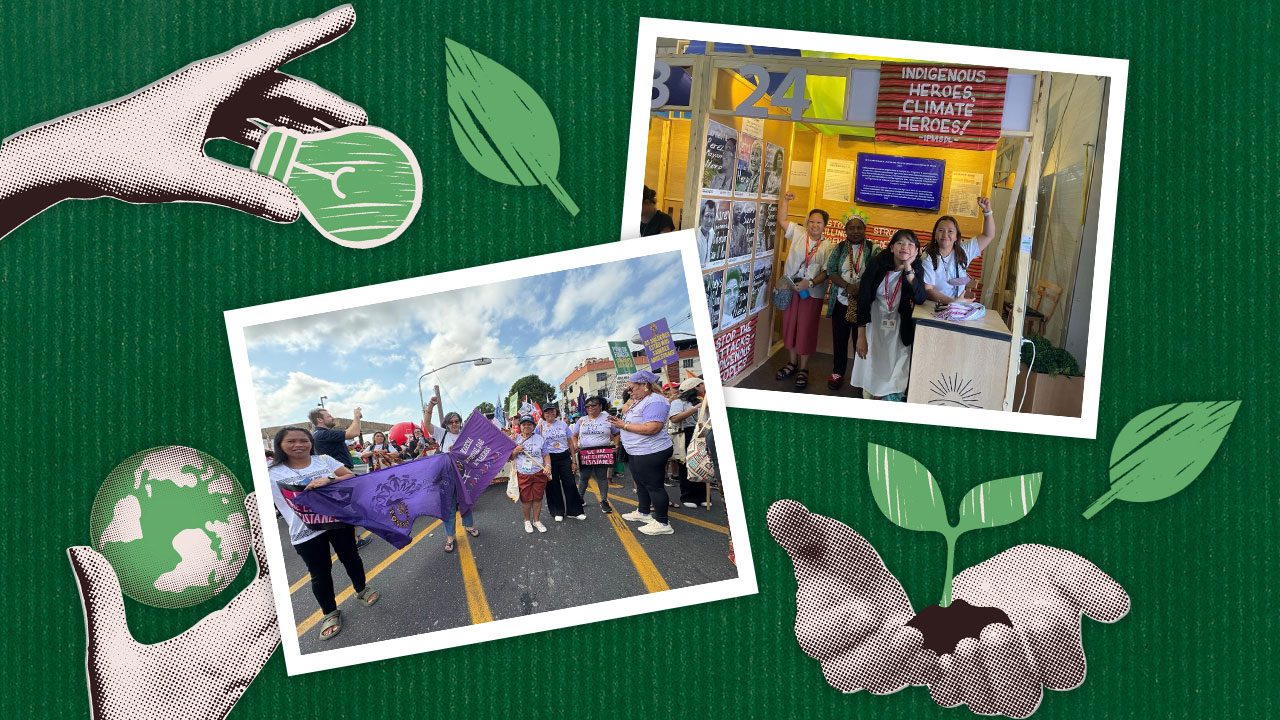
For LILAK, real climate action should respect indigenous rights, return land control to communities, and give them a direct say over their lands and food systems The 31st United Nations Climate Change Conference (COP31) took place in Antalya, Turkey, focusing on climate change and just transition, but faced criticism from groups like LILAK for being corporate-driven and not genuinely inclusive of indigenous voices. LILAK, a collective advocating for indigenous women's rights, chose to boycott COP31 due to past experiences where they felt their communities were sidelined and corporate interests dominated the discussions. Indigenous women are significantly impacted by climate change, and LILAK argues that real climate action must prioritize indigenous rights, community-led solutions, and respect for traditional practices over profit-driven corporate schemes. This is AI-generated. Read the article for full context. Report any errors. The 31st United Nations Climate Change Conference (COP31) concluded on November 22 in Antalya, Turkey. Leaders, organizations, and advocates from around the world came together to discuss climate change and just transition, aiming to turn promises into real-world solutions. While some groups followed the discussions from outside the conference, others chose not to participate. One of them is LILAK (Purple Action for Indigenous Women’s Rights), a collective of feminists, activists, and indigenous women advocating for indigenous women’s rights, ancestral lands, and the environment. LILAK has always been critical of COPs and boycotted some of the previous talks even before COP31. For the group, engaging with it in the past took up too much of their resources, and they would rather invest their time and energy in indigenous communities. Rappler spoke with members of LILAK about their advocacies and views on the climate talks. What specific issues pushed you to not engage in the summit? Che Polutan, LILAK’s program officer, attended the COP27 negotiations in Egypt in 2022. She said the process itself was overwhelming for communities, with no meaningful space for them, as the negotiations were corporate- and capital-driven. LILAK AT COP27. Che Polutan attends COP27 in Sharm El-Sheikh, Egypt, in 2022. Photo courtesy of Che Polutan In 2025, Judy Pasimio, LILAK’s overall coordinator, attended the People’s COP in Belem, Brazil. She explained that “COP should be about the Conference of Peoples, where genuine solutions are discussed.” “However, what is being discussed [at] COP are solutions for profit,” she added. LILAK AT COP30. Judy Pasimio and Rachel Tahay, a Teduray indigenous woman, attend the People’s COP in Belém, Brazil. Photo courtesy of Judy Pasimio How is the climate crisis affecting your communities, and how does that shape your current campaigns? Food and climate have always been tied to the significant role of indigenous women as food producers and carers of their families and communities. They are primarily affected and most vulnerable not only during disasters but also in their food production and food systems. Judy said corporate-backed “solutions” at COP, such as climate smart agriculture and green transition projects, are profit-driven schemes that affect indigenous communities. CSA uses high-tech methods, such as lab-bred seeds, chemical inputs, and automated tools, to help crops survive extreme weather, but critics argue it forces farmers to rely on expensive corporate products instead of traditional seeds. Some green transition projects, meanwhile, fuel destructive mining and deforestation, damaging local ecosystems while profits and clean energy flow to wealthy nations. While both aim to fight climate change, Judy said these so-called solutions displace communities, cut off their access to lands and seas, and erase the role of indigenous women in food production. “The Philippines, for one, is very strong on climate solutions and its negotiations on these platforms, but this strong stand does not translate here in our country. The government’s development plan is shaped by investments exploiting our natural resources,” she emphasized. “It does not benefit our country.” What critical issues are COP31 negotiators ignoring, and what does real climate action look like for indigenous women? Che emphasized that indigenous communities are heavily impacted by the climate emergency. For her, they should be part of the discussions. Climate disasters placed a heavy burden on indigenous women, who take on extra care work and find ways to keep their families afloat, especially before and after crises. She criticized the COP negotiations for sidelining women’s issues, arguing that real climate action should respect indigenous rights, return land control to communities, and give them a direct say over their lands and food systems. “It starts in recognizing and respecting their rights and supporting their indigenous knowledge, systems and practices. If we recognize these, we will be able to stop the encroachment and destruction of development industries,” she explained. How would you distinguish actual, accountable progress from just another empty pledge? Judy said the Philippines needs a national development plan centered on local needs rather than foreign investments. She also highlighted traditional practices such as seed banking and seed exchanges among communities as models for food sovereignty. She called for support for women- and community-led solutions rather than corporate schemes. “Dapat ’yong mga communities ang sinusuportahan (It’s communities that should be supported).” – Rappler.com #CourageON is a bi-monthly newsletter providing updates from our communities. In time for the 31st United Nations Climate Change Conference (COP31), the month of November features stories of courage and resilience from our partner communities and advocates. How does this make you feel? Loading
#CourageON: Finding community-centered climate solutions beyond COP31
Full Article
Original Source
Read the full article at Rappler →KhanList aggregates and links to publicly available news content. We do not host full articles from third-party sources. Always verify important information with original sources.