
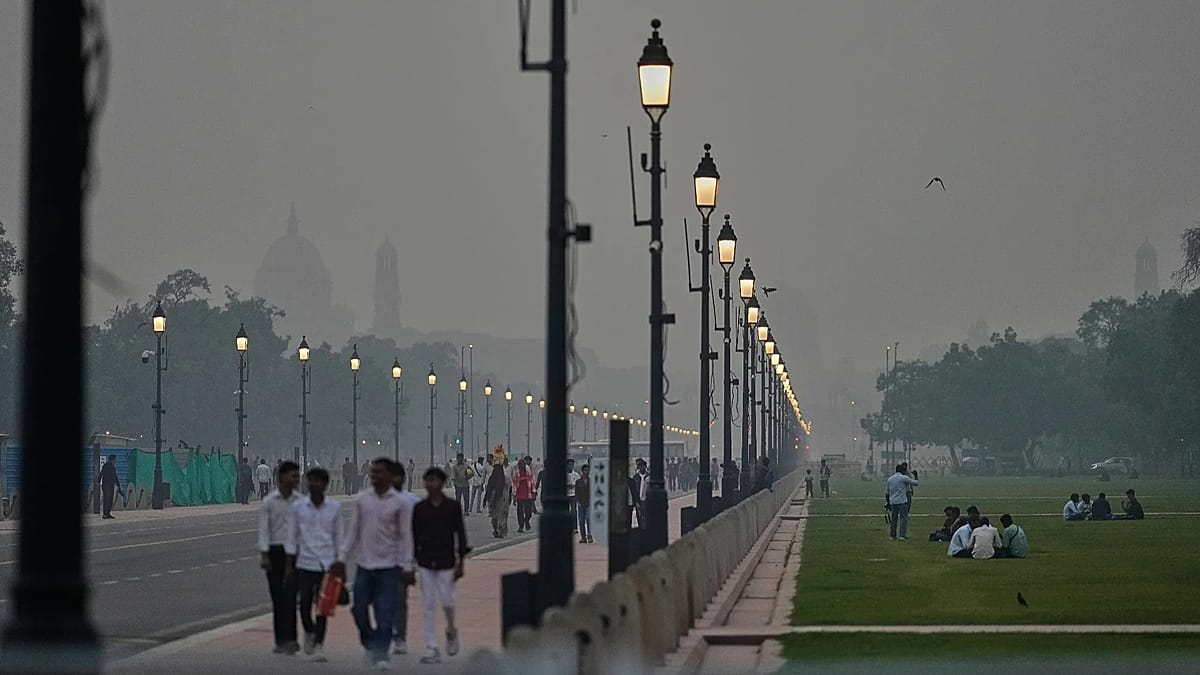
Cutting fine particulate matter levels, as set out in the World Health Organization’s (WHO) recommendations, could save over nine million lives every year, according to a new report published on 10 November. The report comes out as world leaders are discussing the health impact of climate change at the COP31 in Türkiye. ADVERTISEMENT ADVERTISEMENT Researchers at the University of Cambridge in the United Kingdom found that meeting the recommended fine particulate matter (PM2.5) levels could prevent an estimated 9.4 million deaths in a single year, while reducing nitrogen dioxide (NO2) levels could prevent or postpone around 1.1 million deaths. Outdoor air pollution is one of the biggest environmental threats to human health worldwide, contributing to a range of conditions, from heart and lung diseases to dementia. The WHO updated its air quality guidelines in 2021, setting stricter recommended maximum annual levels for several pollutants, including PM2.5, reducing the limit from 10 to 5 micrograms per cubic metre (μg/m³) and NO2, lowering it from 40 to 10 μg/m³. However, many countries, particularly low- and middle-income nations, remain far from meeting these targets. Across the 136 countries included in the study, the average annual PM2.5 concentration was 30.44 μg/m³, more than six times the WHO's recommended limit. The benefits of cutting these two air pollutants would be greatest in low- and middle-income countries, which currently bear the heaviest burden. Air quality in these nations has generally worsened alongside large-scale urbanisation, economic development and the growing use of cars and other motor vehicles, the authors noted. “Meeting the WHO’s air quality guideline values will not be straightforward, but low- and middle-income countries have a critical opportunity to shape healthier futures as their populations grow and their cities expand,” said Haneen Khreis, co-corresponding author of the study at Cambridge. Beyond preventing premature deaths, reducing air pollution could also significantly lower the number of people developing heart and lung diseases, such as coronary heart disease, stroke, asthma, chronic obstructive pulmonary disease (COPD) and dementia. Meeting the recommended PM2.5 levels could result in 2.8 million fewer cases of COPD, 1.1 million fewer cases of dementia, 7.3 million fewer cases of coronary heart disease and 2.3 million fewer cases of stroke every year, the study found. As heart attacks and strokes account for most of the deaths that could be prevented, the authors noted the importance of tackling air pollution as a way to reduce the burden of cardiovascular disease. Impact beyond health The benefits of cleaner air would also extend beyond public health, generating substantial economic gains. Meeting the WHO’s recommendations could generate Int$8.4 trillion — a measure adjusted for differences in purchasing power between countries — in annual societal welfare gains by reducing mortality risk. That’s comparable to 10.7% of the combined gross domestic product (GDP) of all 136 countries included in the study. Cleaner air would also deliver separate direct market savings by cutting healthcare costs and preserving labour productivity. Meeting the WHO’s guidelines could generate annual direct medical cost savings of Int$11.8 billion for coronary heart disease, Int$5.9 billion for stroke and Int$8.6 billion for dementia, alongside tens of billions more in preserved workplace productivity.
Countries could save 9 million lives a year by meeting air quality targets they are missing
Full Article
Original Source
Read the full article at Euronews →KhanList aggregates and links to publicly available news content. We do not host full articles from third-party sources. Always verify important information with original sources.