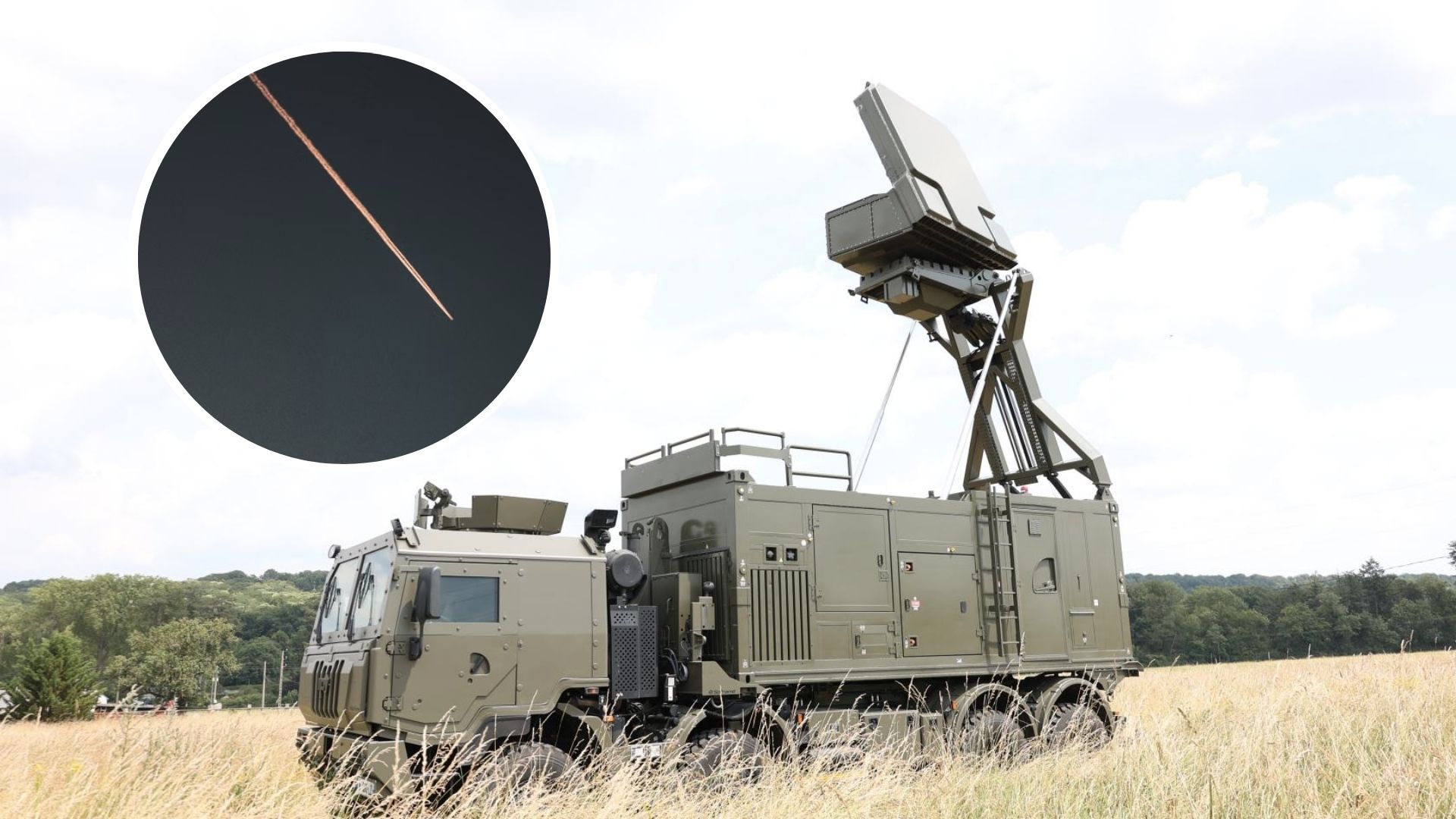
The plan is to bring interceptor systems, long-range effectors, and radar technologies together for a layered air defense architecture.Thales/Arlind DGlobal defense technology leader Thales has entered into a strategic partnership with European aerospace company Destinus. The plan is to accelerate the development of next-generation counter-unmanned aircraft systems (C-UAS), long-range strike capabilities, and integrated air defense solutions. The agreement marks a significant step toward strengthening Europe’s defense preparedness amid an increasingly complex security environment. Layered air defense only works when systems interoperate by design “Layered air defense only works when systems interoperate by design, not as an afterthought,” said Tim Moser, Chief Technology Officer of Destinus. “Bringing Thales’ air-defense, radar, and critical-systems expertize together with our interceptor architecture lets us close the detection-to-engagement loop faster, while keeping engagement decisions exactly where they belong: with the operator. This partnership is about building that architecture at the scale European armed forces actually need.”The collaboration combines Thales’ extensive expertise in air defense systems, advanced radar technologies, artificial intelligence, and defense manufacturing with Destinus’ portfolio of interceptor systems and long-range effectors. Together, the two companies aim to deliver scalable, interoperable, and cost-effective defense solutions for European and allied armed forces. Objective is to enhance counter-drone capabilities One of the partnership’s primary objectives is to enhance counter-drone capabilities by integrating Destinus’ Hornet interceptor family with Thales’ advanced radar and counter-UAS systems. This integration is expected to provide armed forces with a layered air defense architecture capable of detecting, tracking, and neutralizing a broad range of aerial threats, including drone swarms and other low-cost airborne systems. The agreement also outlines cooperation in several strategic areas. Thales will supply critical subsystems, including NATO-standard military warheads, for Destinus’ interceptor systems and long-range effectors. The companies also plan to jointly manufacture the Hornet interceptor system at an industrial facility qualified for handling pyrotechnic components, supporting increased production capacity to meet growing defence requirements. Beyond counter-drone technologies, the partnership seeks to develop long-range strike systems deployable from tactical transport aircraft and explore advanced ground-based air interception capabilities aligned with future NATO Integrated Air and Missile Defense (IAMD) architectures. These initiatives are intended to improve operational flexibility while reinforcing Europe’s strategic autonomy in defence technologies. The collaboration comes at a time when European nations are investing heavily in modernizing their defence capabilities in response to evolving aerial threats. By combining complementary technologies and industrial expertise, Thales and Destinus aim to deliver innovative solutions that can be produced at scale while ensuring interoperability across allied defense forces. Industry observers view the partnership as another indication of Europe’s growing emphasis on strengthening domestic defence manufacturing and reducing reliance on external suppliers. As unmanned aerial threats continue to evolve, integrated and layered air defence systems are expected to play an increasingly important role in safeguarding military assets and critical infrastructure.The Thales-Destinus alliance underscores a shared commitment to advancing European defence innovation through collaborative research, system integration, and industrial-scale production. If successfully implemented, the partnership could contribute significantly to the development of next-generation air defence capabilities for Europe and its allies in the years ahead.Recommended ArticlesGet the latest in engineering, tech, space & science - delivered daily to your inbox.Prabhat, an alumnus of the Indian Institute of Mass Communication, is a tech and defense journalist. While he enjoys writing on modern weapons and emerging tech, he has also reported on global politics and business. He has been previously associated with well-known media houses, including the International Business Times (Singapore Edition) and ANI.
Counter-UAS, long-range strike, integrated air defense weapons set to be advanced with new deal
Full Article
Original Source
Read the full article at Interestingengineering →KhanList aggregates and links to publicly available news content. We do not host full articles from third-party sources. Always verify important information with original sources.