
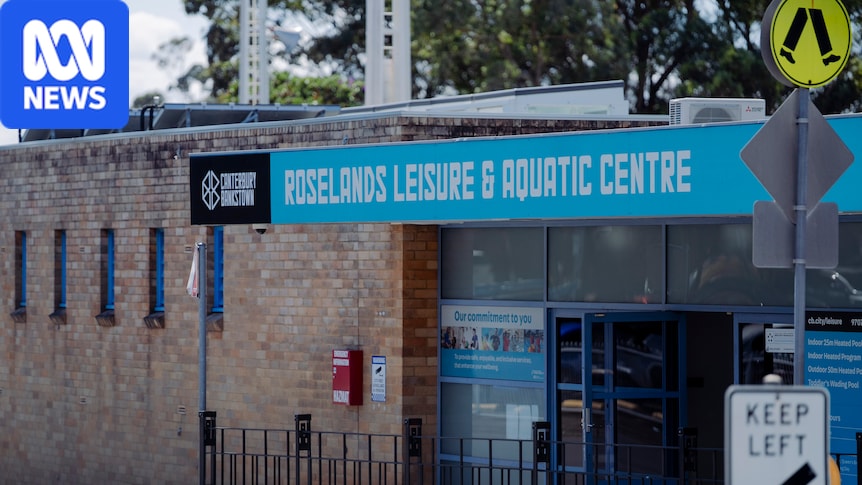
A Sydney council has moved to ban smart glasses from local leisure centres and pools, citing concerns the devices could be exploited by "perverts and paedophiles".This week, councillors from the City of Canterbury Bankstown unanimously passed a motion banning them from its five council-operated leisure and aquatic centres over their potential for misuse.During the meeting, Lord Mayor Bilal El-Hayek said there was community concern surrounding "perverts and paedophiles secretly filming in change rooms, swimming pools and around schools"."There's a buzz and growing anger in the community about the increasing use of AI smart glasses, or 'pervert glasses'," he said.AI smart glasses will now be added to recording device prohibition signage. (ABC News: Liam Patrick)The ban strengthens existing conditions of entry, which already prohibit unauthorised photography and recording.AI-enabled smart glasses would be added to prohibition signage.Councillor Harry Stavrinos of the Our Local Community party said on Tuesday that while he agreed with the proposal, he questioned how staff would distinguish standard glasses from smart glasses.Greens Councillor Conroy Blood asked that the measure consider people with vision impairment who use the devices as visual aids.Bilal El-Hayek says there is increasing concern around privacy and safety. (ABC News: Nandini Dhir)Cr El-Hayek said people who required the glasses for accessibility purposes would be allowed entry, "if they seek permission first".He said staff would be trained to enforce the ban properly."Covert filming and filming without consent is not acceptable, and those not complying should have their equipment confiscated and be removed from the facility," the mayor said.Canterbury-Bankstown Council unanimously voted to ban AI smart glasses. (ABC News: Liam Patrick)It is the first council in New South Wales to introduce a ban, but follows Brisbane City Council in Queensland, and Yarra Council in Victoria, which recently announced broader bans in leisure centres, childcare centres and playgrounds.Adelaide City Council is also considering the measure.Cr El-Hayek told the ABC the measure addressed "unscrupulous use of the technology", while respecting community privacy. "Mums are telling me they want very clear guidelines to protect their children from preying predators," he said.Privacy laws 'misunderstood'Canterbury-Bankstown Council's ban is in response to increasing concerns about safety and privacy, particularly from women, who have reported being secretly filmed and posted online.Sydney-based lawyer Tony Taouk said in NSW, the Surveillance Devices Act generally prohibited a person from using a listening device to record private conversations, unless a statutory exception applied.He said people often wrongly assumed they were generally protected from being recorded under the Privacy Act.Tony Taouk says people often assume they are protected from being secretly filmed. (Supplied)"Believe it or not, the Privacy Act doesn't apply to these cases of recording someone. It's often misunderstood," he said."It regulates agencies, organisations and businesses in relation to personal information."It doesn't generally determine whether one private individual may secretly record another."Mr Taouk said as technologies advanced at a faster pace, the safest course was transparency and that consent should be obtained before recording someone."Consent will often avoid many of the legal issues that arise when there are covert recordings," he said."You can't assume just because your phone [device] allows you to record a conversation, the law automatically allows you to use or publish a recording."Barbara McDonald from the University of Sydney Law School said people had to be careful when using any device to record a private conversation in the state, including one they are party to."One thing to note is that there is very significant divergence in surveillance device legislation around the country," Emeritus Professor McDonald said.For example, in Victoria, if you are part of the conversation, you can record it without consent, she said.Private vs publicEmeritus Professor McDonald said the legal definition of a private conversation was any words spoken by one person to another, with the intention to be heard among themselves.She said the definition covered conversations involving several or more people, but excluded situations where others could reasonably expect to overhear it."If you're having a loud conversation on the phone while you're sitting on the bus or the train, or even in the street, you know, you're sitting down on some steps at lunchtime, and you're talking loudly, you could not have a reasonable expectation that other people might not overhear it," she said."On the other hand, if you're standing in the street talking to someone quietly, people would think that is a private conversation and in New South Wales, that means that the other person cannot record that conversation unless they come into a defence, which is very limited."
Council in Sydney moves state-first ban on 'pervert glasses' at pools
Full Article
Original Source
Read the full article at Abc →KhanList aggregates and links to publicly available news content. We do not host full articles from third-party sources. Always verify important information with original sources.