
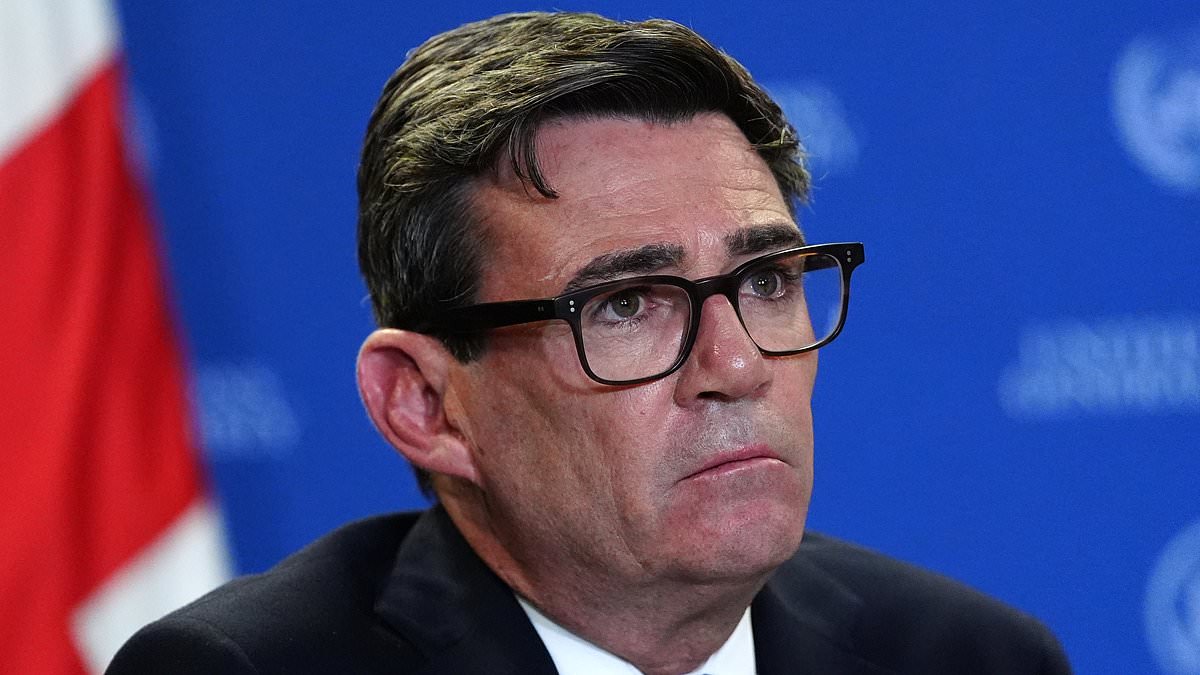
Labour is understood to be mulling raising the threshold at which people start paying income tax. The Government is said to be considering upping the income threshold at which earners start paying tax from £12,570 to £15,570. This is Money examines what the personal allowance is, why frozen thresholds are problematic, what might be announced in October's Budget, how the rumoured change would affect your pay and how Labour would fund the increase. We will also consider the likelihood of this radical change happening. What is the personal allowance?The personal allowance is the amount of money you can make before you start paying tax on it. For most people, the personal allowance is £12,570. So, if you earn £12,000 a year you do not have to pay any income tax. Once you earn £12,570 or more, income tax kicks in but at different rates depending on how much you earn. Basic rate income tax at 20 per cent is then paid on earnings between £12,571 and £50,270. Labour is understood to be mulling raising the threshold at which people start paying income taxHigher rate income tax at 40 per cent rate kicks in on the proportion of earnings between £50,271 and £125,140. Income tax on earnings above £125,141 is 45 per cent and paid by what's known as additional rate taxpayers. The amount of income tax you pay depends on how much income falls within each tax band. You will not pay income tax at the same rate on all your income, but rather on the amount in each bracket.For example, if you earn £52,000 a year you will not pay any tax on the first £12,570 you will pay 20 per cent income tax on your earnings up to £50,270, so the next £37,700 of your income. You will pay the 40 per cent on the final £1,730 above the higher tax threshold of £50,270. Not everyone gets a personal allowance. For those who earn more than £100,000, the personal allowance is reduced by £1 for every £2 earned over the limit, until it is removed entirely at £125,140. How long has the personal allowance been frozen for? By default, the personal allowance is uprated annually in line with inflation.But the personal allowance has been frozen at £12,570 since 2021. At present, it is due to remain frozen until 2031. Income tax and National Insurance thresholds have also been frozen until 2031. Rishi Sunak first announced the freeze on the personal allowance in 2021, which was supposed to end in 2026, before it was subsequently extended by Jeremy Hunt to 2028, and then again for a further three years by Rachel Reeves. How do frozen thresholds affect your finances?Frozen tax thresholds have led to more people being dragged into paying income tax. A frozen personal allowance has also shunted more people into higher income tax brackets as their pay increases over time. People getting the state pension are also affected. As the state pension increases, more older people have to pay tax on it as the personal allowance remains frozen. From next year, the full state pension will nudge beyond £13,000. The decision by successive former chancellors to leave income tax bands unchanged, even as wages and the cost of living increase, has helped boost Treasury coffers.Recent estimates by the Office for Budget Responsibility suggest frozen tax thresholds could bring in more than £55billion a year by 2030, and with it higher taxes for ordinary workers.Research by the Institute for Fiscal Studies (IFS) in August found that had the personal allowance been increased in line with inflation since April 2021, it would now be £16,070, which is £3,500 higher than it is now. The IFS added: 'By 2030–31, the gap between the personal allowance and where it would have been had it not been frozen will (under current inflation forecasts) reach £4,870. 'This represents a 22 per cent real-terms reduction in the value of the personal allowance between 2021–22 and 2026–27, with a further 8 per cent reduction expected by 2030–31.''The frozen personal allowance has been one of the most effective stealth taxes in modern memory,' Paul Denley, chief executive of Oakham Wealth Management told This is Money via Newspage. What change is on the cards?The Government is understood to be considering raising the personal allowance from £12,570 to £15,570, an increase of £3,000. Nothing has been confirmed by the Treasury. A Treasury spokesman said decisions on tax were a matter for the Chancellor to set out at fiscal events, rather than 'routinely commenting on rumour, speculation or proposals'. Support for a higher personal allowance has come from Labour donor Dale Vince, who has, via a Budget submission, said wealth was being 'taxed more lightly than work'. Vince has donated £6million to Labour since 2013 via his business, Ecotricity. Andy Burnham and John Healey are understood to be reviewing the submission from Vince. How would a higher personal allowance affect your pay?If the personal allowance was increased, the point at which you started to pay income tax on your earnings would be higher. A £15,570 personal allowance would help lower earners, earning say £13,000 or £14,000 a year, as they would not have to pay any income tax. Fewer people would have to start paying income tax. According to modelling from the National Institute of Economic and Social Research (NIESR) seen by the Telegraph and commissioned by Vince, a £3,000 increase in the personal allowance would leave the lowest fifth of earners £600 a year better off. How could Labour fund the increase?The NIESR research said increasing the personal allowance to £15,570 would cost the government about £20billion. Vince said in his submission: 'We can pay for it by making the tax system fairer - starting with capital gains and the billions we currently hand to banks in interest.'To fund the handout for lower earners, Labour has capital gains tax in its sights. Capital gains tax is levied on profits from assets ranging from shares to second homes, buy-to-let properties and personal possessions. Rachel Reeves previously increased the lower main rate of capital gains tax from 10 per cent to 18 per cent, and the higher main rate from 20 per cent to 24 per cent.Current Chancellor John Healey may seek to increase these rates, whether incrementally or by aligning capital gains tax with income tax rates. Speculation is mounting that capital gains tax could be hiked to a maximum of 45 per cent. The tax break could also be funded by the Bank of England ending interest payments to banks on their reserves. How likely is a personal allowance increase?Andy Burnham has previously revealed his unease about the frozen personal allowance, though little remains known about his plans for the economy. Burnham told The Times that the issue of frozen personal allowance had come up frequently on the doorsteps during his by-election campaign, which had 'lodged in my mind'. Certain senior cabinet members are also understood to back the submission made by Vince. In May, first secretary of state Louise Haigh called for capital gains tax to be brought closer in line with income tax. Wes Streeting has also previously backed a capital gains tax hike and said the UK needed a wealth tax. The proposals put forward by Labour donor Vince are understood to have been sent to the Treasury and the government's 'policy unit'. Vince will canvass support for the proposals at the Labour conference next weekend, four weeks before the Budget on October 28. Craig Rickman, of Interactive Investor, said: 'A glaring stumbling block for Burnham, as he’s apparently found early in his premiership, is that fiscal prudency means aspiration and reality don’t always chime.'The prime minister and his chancellor, John Healey, have committed to the government’s iron-clad fiscal rules, and soaring borrowing costs due to events in the Middle East may have significantly eroded the headroom. 'Economists believe the £23billion buffer from Spring has halved to around £12billion, with talk ahead of the 2026 Budget centring on tax rises rather than giveaways.'Is a personal allowance hike the best solution?Business owners and finance experts disagree on whether or not an increase to the personal allowance would be the best course of action. Rob Mansfield, a financial adviser at Rootes Wealth Management, told This is Money via Newspage: 'Enabling people to keep more of what they earn will give some relief to the cost of living, so it would no doubt be popular. 'It does nothing to tackle the underlying cost of living, it just reduces one burden on earners.'Scott Gallacher, a director at wealth management firm Rowley Turton, said: 'If reports of a significant rise in capital gains tax prove correct, we risk a fiscal own goal, with experts already warning that the overall package could be negative for growth.'Britain risks becoming trapped in a cycle of sluggish growth, rising debt and ever-higher taxes on an increasingly narrow group of taxpayers. 'Sustainable tax cuts ultimately need to come from stronger growth and disciplined public spending, not simply shifting the tax burden elsewhere.'SAVE MONEY, MAKE MONEYUp to £250 cashbackUp to £250 cashback2.5% cashback when investing at least £2004.75% cash Isa4.75% cash IsaTrading 212: 1.15% fixed 12-month bonus£3,000 cashback£3,000 cashback£100-£3,000 cashback when opening SippUp to £150 cashbackUp to £150 cashbackOpen a savings account with at least £5,000Welcome bonusWelcome bonusGet up to £200 when you invest £100Affiliate links: If you take out a product This is Money may earn a commission. These deals are chosen by our editorial team, as we think they are worth highlighting. This does not affect our editorial independence. Terms and conditions apply on all offers.
Could the personal allowance rise to £15,570 in the Budget and how would it be funded?
Full Article
Original Source
Read the full article at Dailymail →KhanList aggregates and links to publicly available news content. We do not host full articles from third-party sources. Always verify important information with original sources.