
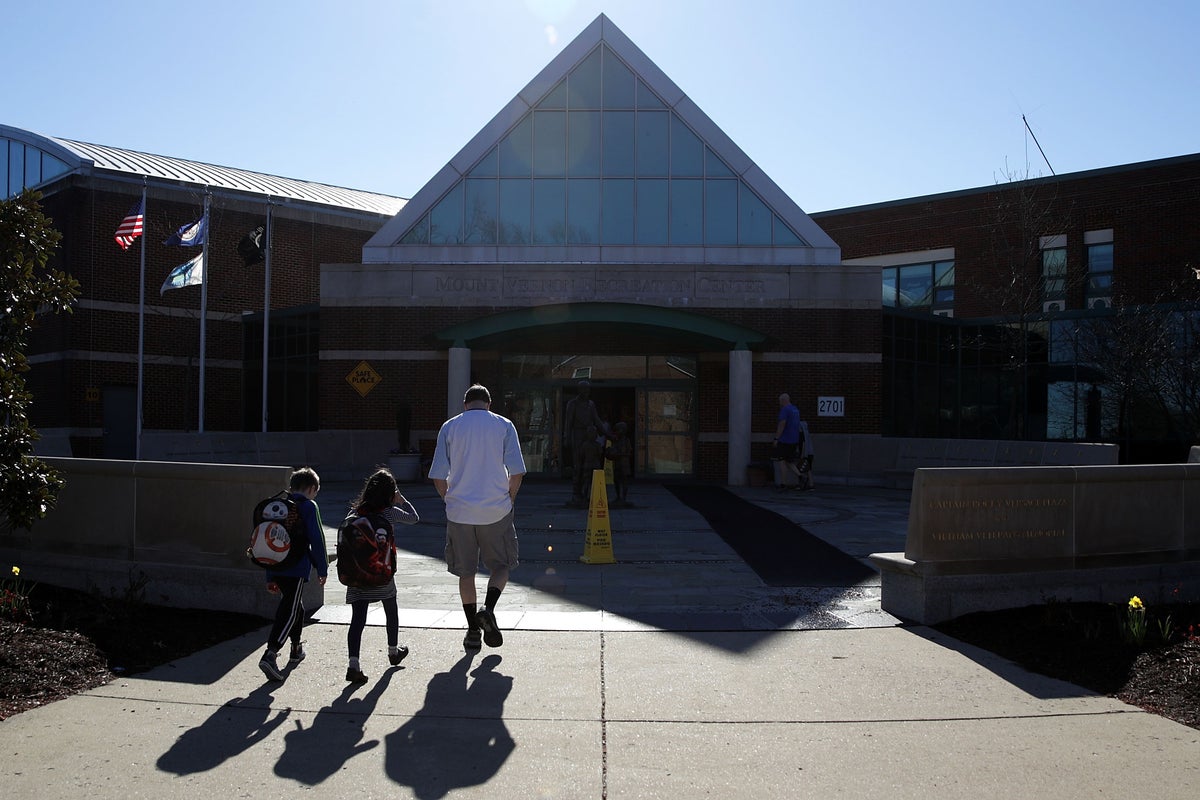
At 2 a.m. on January 6, 1974, the clocks went forward one hour to daylight saving time and Americans endured a difficult winter of trudging to work and school in darkness. In some parts of the country, the sun didn’t rise until 9 a.m. “Many school children missed their free breakfasts, some workers walked to subways and buses with trepidation, and many people felt strange yesterday as the day began an hour earlier for most in an eerie darkness,” read a January 8, 1974, report in The New York Times.The change was part of an experiment under President Richard Nixon in a bid to curb energy use but it was so disastrous that it was shelved by the fall after Congress repealed the legislation. “As we saw in 1974, kids would either walk to school in the pitch black or schools would have to push back start times,” Arkansas Senator Tom Cotton, a staunch opponent of permanent daylight saving time, said last year. “The choice would be between danger on the one hand, and disruption on the other.”The issue is on the table once again as President Donald Trump is pushing to make daylight saving time—the period between spring and fall when clocks in most parts of the U.S. are set one hour ahead of standard time—permanent, reigniting a conversation about whether schools should start later in the day. Trump is pushing to make daylight saving time—the period between spring and fall when clocks in most parts of the U.S. are set one hour ahead of standard time—permanent, reigniting a conversation about whether schools should start later in the day (Getty)Trump is backing the Sunshine Protection Act - a bill passed by the House in the summer but flailing in the Senate with some lawmakers in the upper chamber refusing to get on board. Many are opposed because of the impact on schools, arguing that daylight saving time is more dangerous for children.“You’d be sending kids to school in the dark,” Republican South Dakota Senator Mike Rounds said recently, adding that it doesn’t get light in some parts of his state until after 9.30 a.m. Some have floated a potential solution: make the school day start later. But experts, including advocates of a later school start, say that it’s not so straightforward.“I think we've oversimplified a highly complex issue,” Terra Ziporyn Snider, co-founder of nonprofit Start School Later, told The Independent. “School policy should be based on the health and safety of the children. What really matters isn't the number on a clock. What matters is the time that we choose to go to school, or for that matter, what time we choose to play, live, work.”The average time high school begins is just after 8 a.m. but some start as early as 7 a.m. Children watch President Donald Trump at a rally in Wasilla, Alaska, on October 13, 2026. Trump is trying to pass the Sunshine Protection Act, a bill passed by the House in the summer but flailing in the Senate, with some lawmakers in the upper chamber refusing to get on board. Many are opposed because of the impact on schools, arguing that daylight saving time is more dangerous for children (AFP/Getty)Snider’s organization believes that school should not begin before 8.30 a.m., a stance supported by the American Academy of Pediatrics, so that children get better quality sleep, and likely won’t be traveling to school in darkness.“We're not suggesting that the kids sleep till 11 a.m. or 12 p.m., Snider explained. “We're suggesting that we have a sane and humane school start time that [means] we don't have to force them out of bed before the sun rises at a time in their lives when they're growing and developing.” A school’s start time should be set on the local and state level, not federally, Snider said. “There are local differences in the rising and setting of the sun, and when it is safe for children to go to school, and when they can get enough sleep,” Snider said. “And whatever time you set on the clock is not as relevant as what time you start school, in relation to the reality of your sunrise patterns.”Ultimately, the political will to make the school day start later “just isn't there,” she said. But debate around daylight savings could also be “a blessing in disguise” because “it will really wake people up to the horrific start times” children currently go to school, she added. Michigan mom-of-four, Katherine Nitz, said that starting school later is “separate but related” to the debate on permanent daylight saving. “Too-early school start times is already an issue for our children and deserves to be addressed on its own merit,” said Nitz, who works for Snider’s non-profit. “Permanent daylight savings time will compound the problem.”Some have floated a potential solution: make the school day start later. But experts, including advocates of a later school start, say that it’s not so straightforward (Getty)Jay Pea of the Save Standard Time movement said that moving to permanent standard time would benefit more people in the U.S. because it is “the clock that aligns more closely to the sun's actual position in the sky.”Daylight saving time is more harmful to children and adults, according to Pea. “You need that morning sunlight to wake you up, to stimulate cortisol, to feel alert, so you're not as dependent on stimulants, so you're not dragging and feeling groggy all day, and you get that morning sunlight with standard time,” he said.Enacting permanent daylight saving time with a later school start makes the latter redundant, Pea argues. “An early school start time deprives you of that morning sunlight, and having daylight savings time deprives you of morning sunlight,” he explained.” If you put them together–daylight saving time and an earlier start time—it's doubly bad. And if you try to do one but not the other, well, then you're just canceling things out.”As Americans prepare to wind back the clocks on November 1, it’s unlikely that school schedules will change any time soon.“The president feels strongly on it like he does a lot of issues,” Senate Majority Leader John Thune said of permanent daylight saving time earlier this month. “It’s something we’re having conversations about but there’s no clear path forward or consensus on it yet.”
Could school start times change if America moves to permanent Daylight Saving Time?
Full Article
Original Source
Read the full article at Independent →KhanList aggregates and links to publicly available news content. We do not host full articles from third-party sources. Always verify important information with original sources.