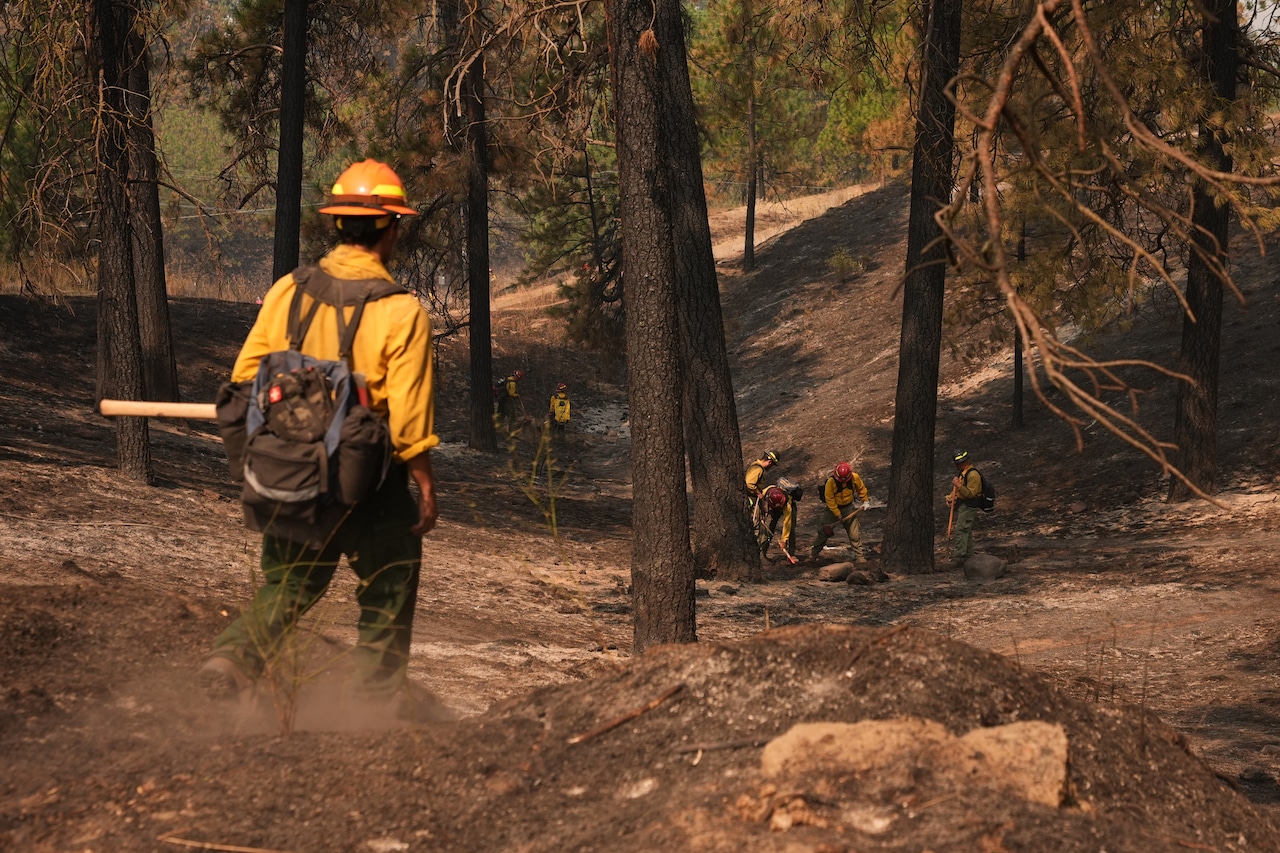
NewsThe controversial bet northwest U.S. lawmakers say could put communities at riskLawmakers and researchers are questioning whether prediction markets tied to natural disasters could encourage dangerous behavior by allowing participants to profit from wildfire outcomes and other catastrophic events. (AP Photo/Lindsey Wasson) AP Photo/Lindsey WassonA growing debate over prediction markets is drawing scrutiny from lawmakers, researchers and regulators who warn that allowing people to profit from natural disasters could create dangerous incentives and new public safety risks.Prediction market platforms such as Polymarket and Kalshi allow users to speculate on the outcomes of future events, ranging from elections and economic data to geopolitical developments, Decrypt reported. Critics say the recent emergence of markets tied to wildfires and other disasters crosses an ethical line by turning human suffering into a financial opportunity. A coalition of Democratic senators, including New Mexico Sen. Martin Heinrich, recently urged the Commodity Futures Trading Commission to examine wildfire-related event contracts and consider restrictions. The lawmakers argued that unchecked betting on destructive events could undermine public trust while creating what they described as “perverse incentives” for people who might seek to influence an outcome for personal gain. One of the most significant concerns involves arson. Researchers and fire experts have noted that, unlike commodities such as gold, oil or agricultural products, an individual may be able to directly affect the outcome of a wildfire. That possibility has prompted warnings that someone could theoretically place a wager tied to a fire’s growth or duration and then attempt to influence events to improve their chances of collecting winnings. Matthew Hurteau, a biology professor at the University of New Mexico who studies wildfire issues, has argued that disaster betting differs fundamentally from traditional financial speculation because a single participant may be able to affect real-world outcomes. He and other experts contend that the potential consequences extend far beyond property damage, threatening communities, water supplies and public health. The debate intensified after reports that more than $1 million in wagers were placed on wildfire-related contracts during the devastating Palisades and Eaton fires in Southern California in 2025. Those fires killed dozens of people and destroyed thousands of structures, prompting criticism from residents and ethics experts who questioned whether financial speculation should be allowed during ongoing disasters. Supporters of prediction markets argue that these platforms can provide useful information by aggregating the expectations of thousands of participants. Representatives for Polymarket have said the markets help people understand emerging events and do not themselves cause disasters. The company has maintained that eliminating such markets would not prevent tragedies and could reduce access to information about evolving situations. Kalshi, meanwhile, has stated that it does not allow wildfire betting because company officials believe such contracts create problematic incentives. The distinction highlights the broader disagreement within the rapidly expanding prediction market industry over where regulators should draw the line between forecasting future events and facilitating gambling on public emergencies. The controversy comes as New York pursues legal action against Kalshi, alleging that aspects of its prediction market business violate state gambling laws. The lawsuit is part of a broader national battle over how prediction markets should be regulated and whether event contracts should be treated more like financial products or traditional wagers. Scientists say the stakes extend well beyond economics. Research cited by wildfire experts has linked long-term exposure to wildfire smoke with thousands of premature deaths annually in the United States. As regulators weigh calls for intervention, critics argue that any system that could reward the escalation of destructive events deserves close scrutiny.ALSO TRENDING: What happened on a Hawaii beach is now making national headlinesALSO TRENDING: Scientists think they’ve found a new way to stop cancer before it startsALSO TRENDING: California food truck’s numbers looked too good to be true. Then investigators took notice Chris Pugh covers trending news and national breaking stories, focusing on the moments, conversations, and cultural flashpoints shaping the national news cycle. Chris worked as a digital reporter for...This article was produced with assistance from AI tools and reviewed by Cleveland.com staff.
Could betting on the next wildfire actually make one more likely?
Full Article
Original Source
Read the full article at Cleveland →KhanList aggregates and links to publicly available news content. We do not host full articles from third-party sources. Always verify important information with original sources.