
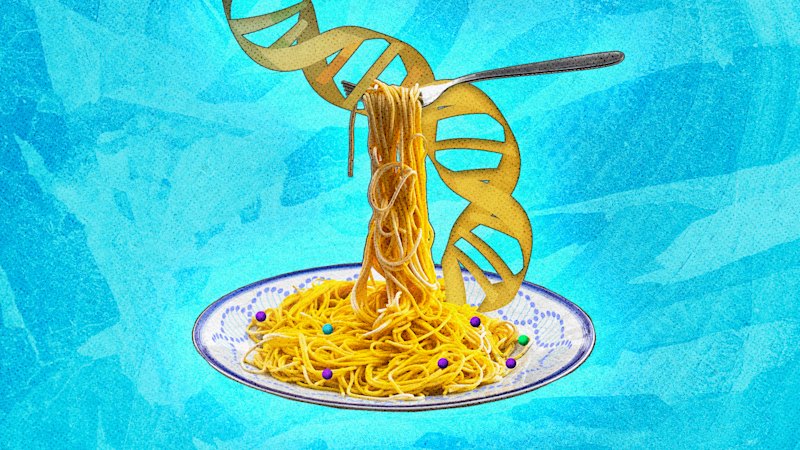
November 28, 2026 — 5:00amWith so much noise about what we should (and shouldn’t) eat, a simple, definitive answer to our dietary questions would be nice. If only you could pop a DNA sample in the mail, have it tested and receive a personalised nutrition plan based on your genetic blueprint.Well, actually, you can. At least, according to social media posts and private companies selling “nutrigenetic” tests online, which promise changes such as weight loss and improved cardiovascular health. Photo: Aresna VillanuevaThey’re part of an increasingly crowded corner of the consumer health market where you can buy at-home kits that test for everything from one’s “biological age” to blood-borne microplastics.But new Australian research raises concerns about the transparency, ethics and overall benefits of these DNA nutrition tests.What is nutrigenetics?Nutrigenetics is the study of how genetic material shapes our bodies’ response to nutrients and our predisposition to nutrient-related disease.It is already part of how we understand some facets of dietary preference and intolerance – like the genes responsible for making coriander taste like soap for some, or coeliac disease.But the human body comprises tens of thousands of genes that make up our unique DNA blueprint.Whether a simple test should guide what we eat isn’t straightforward, particularly when it comes to complex diseases that aren’t tied to a singular gene – like obesity.Dr Emma Beckett, a food and nutrition scientist, says early research into nutrigenetics showed promise.But for now, much of the advice given by commercial tests isn’t meaningfully different to general dietary guidelines, like suggesting those with a predisposition to obesity eat more fibre to lose weight.“For me, the understanding of nutrition and genetics isn’t necessarily that we need to give everyone a prescription diet for their genetics, but it could – and should – be a trigger for people to understand that all our bodies are different,” she says. “And so if we eat the same thing, we don’t all respond in the same way.”Associate Professor Jane Tiller, legal and policy lead in public health genomics at Monash University, says it’s important to distinguish between largely recreational genetic testing – which she says nutrigenetic testing can be, even though it provides some individual benefit— and DNA screening for high risk of conditions like cancer and heart disease, which provide significant public health benefit.Little scientific or ethical accountabilityA recent scoping review from Monash University looked at the offerings of 104 companies from 30 countries, including Australia.It found 56 per cent of companies disclosed which genes were used to shape nutrition advice, with the most commonly advertised categories being micronutrition, cardiovascular health and weight loss.Only 53 per cent of companies provided post-result support, often at an additional cost, with the qualifications of those providing the support varying greatly.The mean cost of tests was US$234 (about $352). Many also sold a bespoke selection of vitamins based on one’s results.Lead researcher Caitlin McCartney, a dietitian and PhD candidate at Monash University, says research into the relationship between diet and genetics – such as salt-sensitive hypertension – is vast and ongoing.As yet, there are few peer-reviewed, large meta-analyses summarising the strength of evidence for particular genes and their influence on diet.In this void, McCartney’s review found online companies spruiking nutrigenetic tests operated under a lack of regulatory oversight, following different ethical and scientific guidelines.What are the risks?One of McCartney’s main concerns is consumers receiving results with little support or evidence-based information about what they mean.Her team found a lack of consensus among companies about the evidence linking disease and genes (some tested for a singular “obesity gene”, for instance, while others tested for a whole range), and most failed to acknowledge the limitations of the technology.For example, 20 to 30 per cent of the Caucasian population will carry the gene for coeliac disease, but only 1 to 3 per cent will present with an intolerance, says McCartney.As a result, people could end up making unnecessary – and expensive – dietary changes that run the risk of creating micronutrient or fibre deficiencies.Tiller worries this could place the burden on health professionals to decipher the reliability and meaning of patients’ test results.Some qualitative studies on consumer motivations for nutrigenetic testing show they might offer a sense of comfort and empowerment for those experiencing chronic ill-health.But while some people may find the results are the encouragement they need, Beckett worries others may take a fatalistic approach.“It can be like, ‘Well, there’s no point trying,’” she says.McCartney is hopeful about emerging nutrigenetic research, but “concerned that if people use it too early or in an unsupported way, that will create a negative experience. And if it is useful in 10 years’ time, they won’t want to re-engage.”‘Data crossing multiple borders’A key concern with any kind of test involving genetic material is privacy.In the review, most companies provided a privacy statement, but these were often vaguely worded, without clear indication of data ownership or length of storage.While most were US-based, many conducted testing overseas, meaning personal data travelled across multiple regulatory jurisdictions.Australian privacy laws don’t apply to DNA sent overseas, says Tiller, increasing the risk of one’s valuable health information being accessed by unexpected parties or used for reasons they might not consent to.The TGA oversees some nutrigenetic tests, mostly classed as low or moderate risk, but the availability of international tests and their ability to evade regulators make traceability, accountability and regulation tricky.“They rename themselves, rebrand, delete products, add products,” says McCartney. “In the time that I was doing this review, 23 companies disappeared.”Ultimately, Beckett encourages anyone seeking personalised health and nutrition advice to consult a GP, dietitian or specialist.If you do choose to use an online service, she recommends researching a company’s location and privacy and data storage policies, and avoiding any tests that include disease risk assessments, which should be made in consultation with a health professional.Make the most of your health, relationships, fitness and nutrition with our Live Well newsletter. Get it in your inbox every Monday.More:WellbeingGeneticsOnline shoppingAllergiesVitaminsFrom our partners
Could a ‘DNA diet’ be the key to solving obesity? What new Aussie research says
Full Article
Original Source
Read the full article at Smh →KhanList aggregates and links to publicly available news content. We do not host full articles from third-party sources. Always verify important information with original sources.