
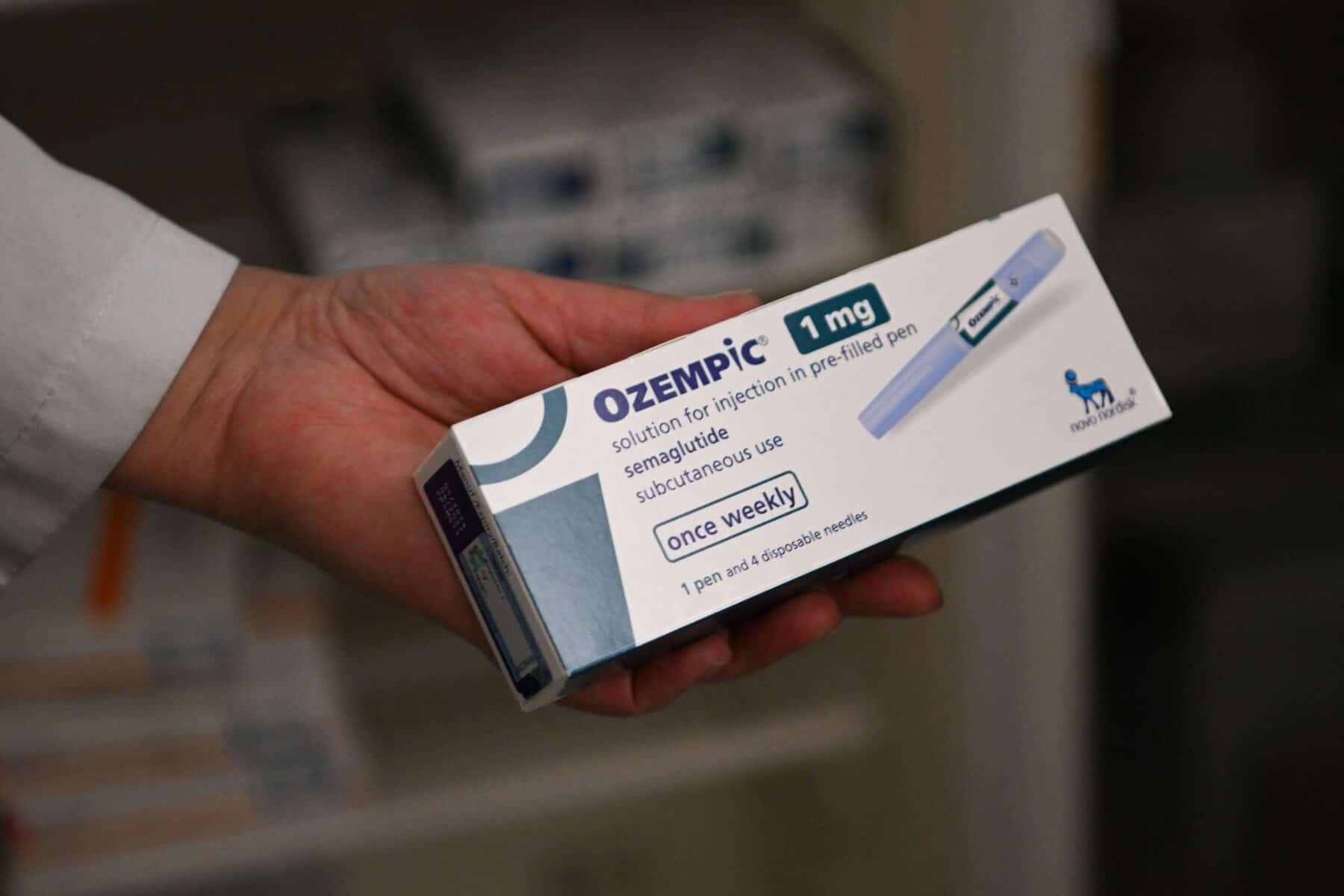
Costa Rica’s public healthcare system is considering adding a new generation of medications used to treat diabetes and obesity, a move that could eventually give thousands of patients access to treatments currently available mainly through private pharmacies. The Costa Rican Social Security Fund (CCSS), known here as the Caja, confirmed that it is reviewing medications known as GLP-1 therapies. These include drugs similar to Ozempic and Wegovy, which have become increasingly popular worldwide because of their ability to control blood sugar and help people lose weight. The medications are already sold in Costa Rica, but their high cost puts them out of reach for many patients. Depending on the brand and dosage, treatment can cost between ₡50,000 and ₡210,000 per month, an expense that can be difficult to maintain over time. The Caja is now studying which of these medications would be the best option for its healthcare system. The first phase would focus on people with type 2 diabetes, particularly those who also struggle with obesity. A second phase could expand treatment to patients with obesity who do not have diabetes. However, the proposal remains under review. The CCSS has not announced when the medications might become available, which specific drugs it would provide or what requirements patients would need to meet. These medications work by copying the effects of hormones naturally produced by the body. In simple terms, they help control blood sugar, slow digestion and make people feel full longer. As a result, patients often eat less and can lose significant amounts of weight. Some patients in clinical studies have lost more than 15% of their body weight, although results vary depending on the medication, dosage and individual response. Doctors emphasize that the treatments are not quick fixes and generally work best alongside changes in diet and regular physical activity. The potential addition of these medications comes at a time when Costa Rica is facing growing problems with obesity and other chronic diseases. According to figures from the CCSS, approximately 42% of adults in Costa Rica are overweight, while another 32% have obesity. Combined, that means nearly three out of every four adults are carrying excess weight. The problem extends beyond weight itself. Obesity increases the risk of developing type 2 diabetes, high blood pressure, heart disease and other conditions that can require years of medical care. For the Caja, expanding access to effective treatments could eventually help reduce some of the complications associated with these diseases. However, the cost of providing the medications to large numbers of patients would also have to be considered. Three of the best-known medications in this category are already available through Costa Rican pharmacies. Ozempic contains semaglutide and is primarily used to treat type 2 diabetes. Wegovy contains the same active ingredient but is specifically approved for weight management. Mounjaro contains tirzepatide, which works on two hormone pathways involved in blood sugar control and appetite. Wegovy became available in Costa Rica on October 13, adding another option for patients seeking medical treatment for obesity. Despite their benefits, these medications can cause side effects. Common complaints include nausea, vomiting, diarrhea, constipation and abdominal discomfort. More serious complications are possible, making medical supervision important. Costa Rica’s Ministry of Health has also warned about unapproved versions of weight-loss injections being advertised through social media and messaging applications. Some products are sold without proper registration or reliable information about their ingredients, creating potential risks for consumers. Health authorities recommend obtaining these medications only through authorized pharmacies and using them under the supervision of a licensed medical professional. For now, anyone seeking GLP-1 treatment generally must obtain it through private medical care and pharmacies, unless another approved treatment arrangement applies. The Caja’s evaluation could eventually change that situation, particularly for patients who need the medications but cannot afford the monthly expense. The next step will be determining which medication offers the best combination of effectiveness, safety and cost for Costa Rica’s public healthcare system. Until that review is completed and a formal decision is announced, patients should not expect the drugs to become routinely available through the CCSS.
Costa Rica’s Public Healthcare System Considers Offering Ozempic and Other Weight-Loss Drugs
Full Article
Original Source
Read the full article at Ticotimes →KhanList aggregates and links to publicly available news content. We do not host full articles from third-party sources. Always verify important information with original sources.