
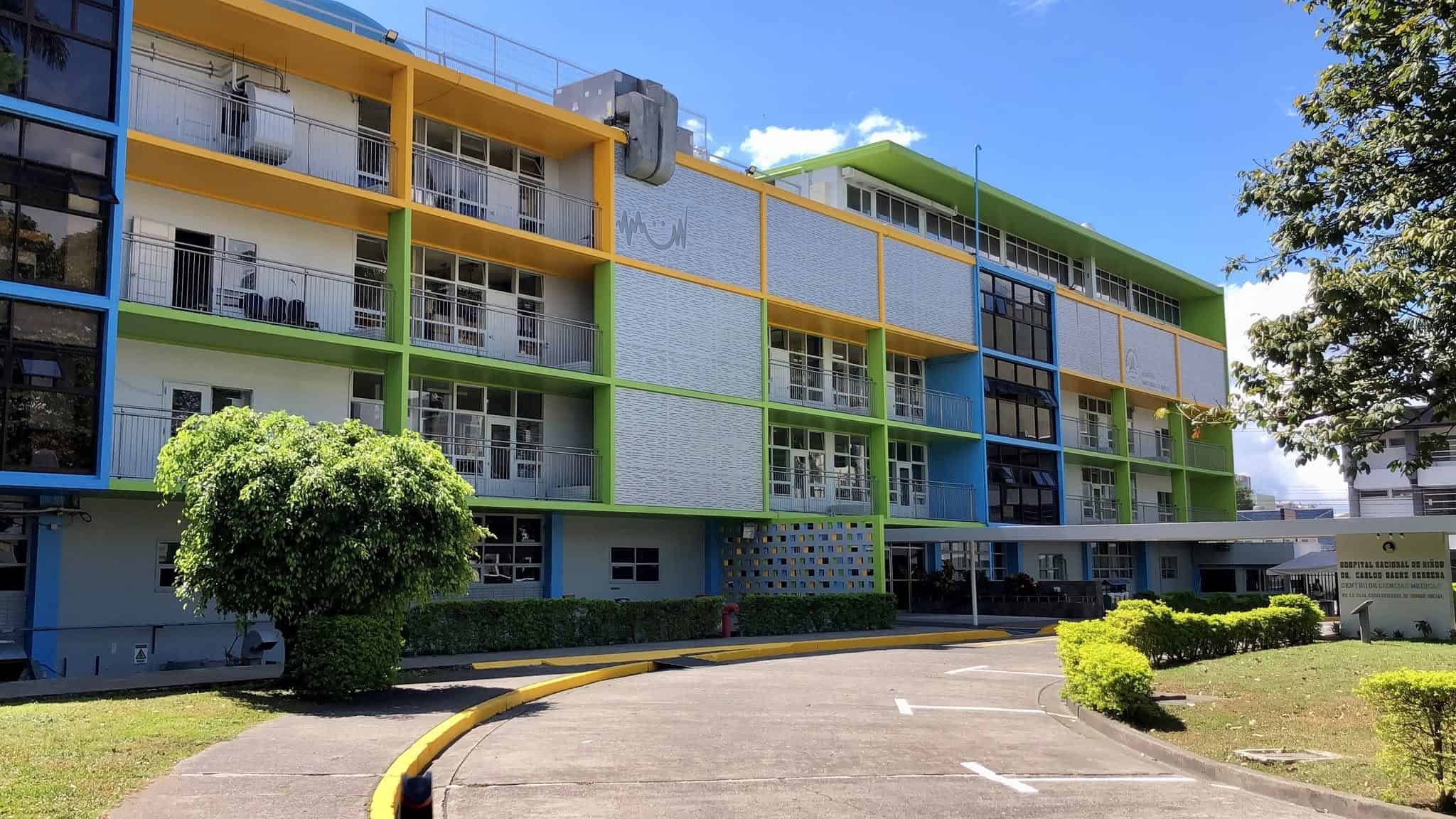
If your child becomes seriously ill with a respiratory infection this week, Costa Rica’s national children’s hospital may have little room to take them into intensive care. The intensive care unit at the Hospital Nacional de Niños in San José reached 100% occupancy on Sunday, according to the Costa Rican Social Security System (CCSS). The hospital’s emergency department also hit its limit, with 18 children in critical condition on mechanical ventilation. Hospital deputy director Marcela Hernández de Mezerville, a pediatric infectious disease specialist, said the strain limits the hospital’s ability to admit new critical patients. That applies to children with respiratory illness and to any child who needs intensive care for another reason. The CCSS attributes the surge to severe acute respiratory infections. Rhinovirus, respiratory syncytial virus (RSV) and metapneumovirus are the viruses circulating most widely. Children under 5 are the hardest hit. The Ministry of Health has recorded 2,488 cases of severe acute respiratory infection and 1,570 cases of pneumonia in that age group so far this year. The hospital has recorded 17 deaths from severe respiratory infections in 2026. This is not the first time the unit has filled up this season. In early October the intensive care unit was also at 100%, and respiratory beds were at 122% of capacity, according to hospital figures at the time. The hospital is now operating under phase 2 of its plan for rising demand. The most effective thing you can do right now is keep sick people away from young children, especially babies under a year old. If a child in that age group gets severely ill, the beds they would need are already taken. That includes relatives at home. If someone in your household has a cough, congestion or fever, keep them at a distance from small children, have them cover coughs and sneezes, and wash hands often. Clean shared surfaces more frequently. Limit the time young children spend in crowded indoor places, and wear a mask in enclosed, crowded spaces. Keep children away from tobacco smoke, and check that their vaccinations are up to date. Know the signs that mean a child needs medical care immediately. These include fast or labored breathing, skin pulling in between the ribs, flaring nostrils, pale or bluish lips, a high fever that will not come down, unusual drowsiness, and refusing to eat or drink. The deputy director asked families to take extra precautions at home while the hospital’s intensive care beds remain full.
Costa Rica’s Children’s Hospital ICU Is Full as Respiratory Viruses Spread
Full Article
Original Source
Read the full article at Ticotimes →KhanList aggregates and links to publicly available news content. We do not host full articles from third-party sources. Always verify important information with original sources.