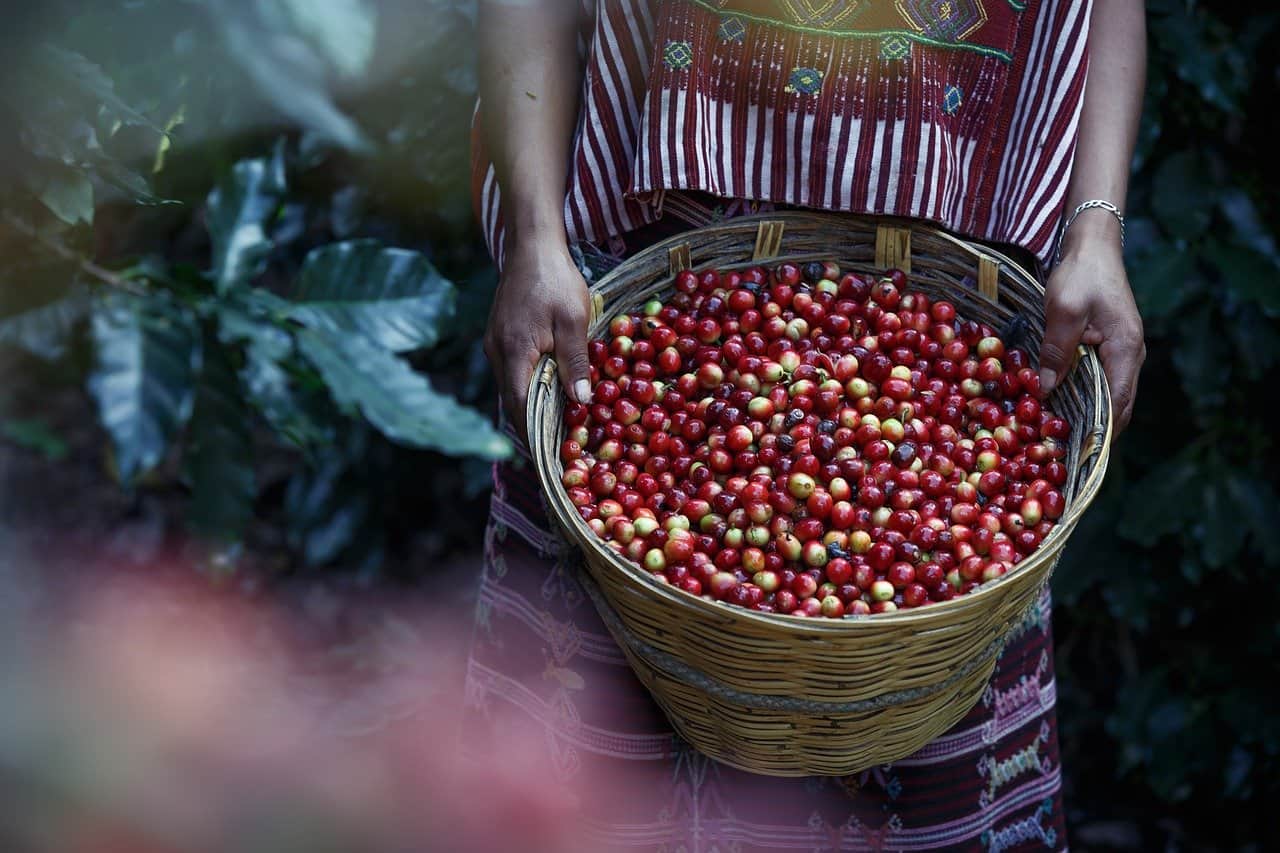
More than 500 people and organizations, among them three former presidents of Costa Rica and Panama, have signed a public statement demanding that the Costa Rican state guarantee decent living, working and social protection conditions for the Ngäbe-Buglé workers who pick coffee each year. The Kioscos Socioambientales program at the University of Costa Rica, which coordinated the effort, reported 512 signatures in all. They include roughly a hundred Indigenous, labor, community, feminist, coastal, environmental and social organizations from Costa Rica and Panama, along with academics, artists and professionals. Former Costa Rican presidents Abel Pacheco de la Espriella and Laura Chinchilla Miranda signed, as did former Panamanian president Ricardo de la Espriella Toral, who governed from 1982 to 1984. Writer Ana Cristina Rossi Lara, musician Manuel Obregón López and the bands Malpaís, Sonámbulo Psicotropical and Un Rojo Reggae Band are also among the signatories. The statement was presented publicly on July 21, roughly four months before the main harvest opens in November and while coffee regions prepare for seasonal labor arrives. It responds to a February internal report written by Randy Ramírez Coto, acting chief of the Judicial Investigation Agency’s Los Santos Regional Unit, and addressed to the OIJ press office. Ramírez wrote that his purpose was to make visible what he described as the dehumanization of the Ngäbe-Buglé population in Los Santos, the coffee-growing region south of San José that supplies a substantial share of national production. The report linked the conditions he described to barriers in health care access, an absence of institutional follow-up and the deaths of children. Between January 1, 2020 and February 11, 2026, the report recorded 19 deaths of Ngäbe-Buglé minors from Panama in the Los Santos area. Bronchopneumonia was the registered cause in 10 cases. The document also listed two suicides, one death during childbirth, one caused by parasitic infection and five cases awaiting forensic autopsy. According to the report, the cases shared health-related circumstances that included births in inadequate settings, untreated respiratory illness and missing vaccinations. The document stated that all of the deaths could have been prevented, tying that assessment to the absence of timely preventive public health care, vaccination and epidemiological reporting. An initial review of child deaths across the region identified 17 cases; a subsequent review focused specifically on the Ngäbe-Buglé population raised the count to 19. The Los Santos harvest generally runs from November through late February. The report noted that the work historically depended on Costa Rican and Nicaraguan labor, but in recent years has fallen mainly to Ngäbe-Buglé workers from Panama, many of them from Bocas del Toro, Chiriquí and Veraguas. On housing, the report described workers being placed in temporary lodgings known locally as baches, with conditions that varied sharply. Some sit near canton centers with access to basic services. Others are in remote mountain areas among the coffee plantations, where residents depend on transport provided by farm owners. The report questioned whether those spaces are subject to regular oversight, stating that the regional unit’s inquiry found no evidence of follow-up visits during the period some of the lodgings were in operation. The document also raised a registration gap. Costa Rica manages seasonal agricultural migration through the Migrant Labor Traceability System, known as SITLAM and administered by the Ministry of Labor and Social Security. In the deaths reviewed by the Los Santos unit, the report stated, SITLAM did not appear actively connected to the people involved, a difficulty the document placed in the context of irregular entry through mountainous sectors of the border with Panama. The Ministry of Health has said it carries out physical and sanitary assessments of the lodgings used by coffee workers, both before and during the season, to verify sanitary requirements and habitability. On the deaths recorded by the OIJ, the ministry said the people involved had entered the country irregularly, which complicates the traceability and follow-up built into official registration and migration control mechanisms. The ministry added that irregular entry does not restrict access to health services, and that these workers retain the right to care under existing regulations and the country’s public health principles. The Coffee Institute of Costa Rica, ICAFE, has said it takes part in working groups aimed at regularizing pickers’ migration status, promoting adequate hiring conditions and circulating information among producers and farm managers. The institute noted that enforcement of labor, migration, sanitary and housing rules falls to the competent authorities in each area, and said that everyone working in the coffee sector should do so in dignified and safe conditions consistent with Costa Rican law. ICAFE reported that 39,608 pickers received temporary coverage through the Costa Rican Social Security Fund and a work-risk policy from the National Insurance Institute during the 2025–2026 harvest. Separately, ICAFE board president Fernando Naranjo Retana wrote in mid-July that 14,400 migrant pickers entered the country for that same season, and that the National Coffee Sustainability Fund invests between ₡600 million and ₡700 million a year — roughly $1.3 million to $1.5 million at the Central Bank reference rate — in primary health care for pickers and their families. He also wrote that the Casas de la Alegría program, which provides childcare, meals and health monitoring for pickers’ children while their parents work, served more than 3,000 children across the country’s seven coffee regions last season. The statement asks authorities to investigate the circumstances surrounding the children’s deaths and determine institutional responsibility; to strengthen primary care, vaccination, epidemiological monitoring and maternal and child health services throughout the coffee season; and to carry out periodic, effective inspections of housing, transport, hiring and working conditions on all farms and in all lodgings used during the harvest. It calls for full compliance with labor, sanitary, migration and social security law as it applies to migrant Indigenous workers, and for permanent coordination between public institutions, Ngäbe-Buglé organizations, host communities, coffee companies and human rights groups. It further asks that information on health, work, housing and rights protection be published regularly, that coffee companies and every actor in the commercial chain assume responsibility for the rights of the workers who sustain the industry, and that the Labor Ministry build a permanent map of the coffee value chain — identifying principal companies, contractors and intermediaries, and geolocating their farms and lodgings — to monitor legal compliance and assign responsibility. The organizers noted that in August 2020, more than a hundred social organizations issued a similar warning about conditions facing Ngäbe-Buglé workers during the harvest. Six years later, the statement argues, those concerns remain unresolved and their consequences have reached an unacceptable severity. Costa Rica’s General Protocol for the Attention of Labor Migration during harvest seasons was last updated in May 2024; the signatories contend that the gap lies between the rules on paper and their application on the ground. The document was presented by Kioscos Socioambientales together with the Environmental Human Rights Clinic of the Institute of Latin American Studies at the National University, the Center for Research in Culture and Development at the State Distance University, and the Labor Relations Observatory at the University of Costa Rica’s law school. Speakers included Zeidy Brukwä Rodríguez, a Ngäbe-Buglé leader and member of the National Front of Indigenous Peoples; Rosibel Víquez Abarca of the State Distance University; Sharon López Céspedes of the National University; and Mauricio Álvarez Mora of the University of Costa Rica. Days before the statement was released, the health ministries of Costa Rica and Panama signed a memorandum of understanding creating a Binational Health Card for Ngäbe-Buglé workers who move between the two countries for temporary agricultural work. Costa Rican Health Minister Alexander Sánchez Cabo and his Panamanian counterpart, Fernando Boyd Galindo, signed the agreement in San José in the presence of First Vice President Douglas Soto. The physical card will be issued each July and remain valid for six months, a window that matches the period of heaviest cross-border movement. Panama’s health ministry designated the Bugaba intermediate care post in Chiriquí as the main issuing and renewal point. Boyd Galindo said the card would carry vaccination histories and other clinical information, and would help stop children from receiving repeat immunizations because their records were unavailable. The Ministry of Labor and Social Security declined to say what action it had taken on the matter, indicating that it would not comment because the OIJ report is an internal document. The ministry has changed hands twice in recent weeks: Roy Thompson Chacón resigned on June 30, and President Laura Fernández Delgado named attorney Mercedes Flores Badilla as minister on July 20. The harvest that prompted the statement begins in November. Whether the inspections, health coverage and registration the signatories are demanding will be in place by then is the question now sitting with the institutions named in the document.
Costa Rica Pressed to Improve Conditions for Indigenous Coffee Workers
Full Article
Original Source
Read the full article at Ticotimes →KhanList aggregates and links to publicly available news content. We do not host full articles from third-party sources. Always verify important information with original sources.